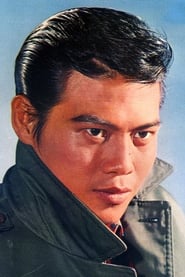
Lo Lieh
Actor
Born: June 29, 1939 in Pematangsiantar, North Sumatra, Indonesia Died: November 2, 2002 Active: 1962-2002 Birth Name: Wang Lap-tat
Films
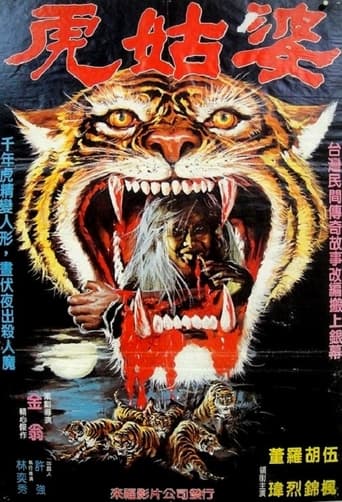
1 film
About Lo Lieh
Lo Lieh, born Wang Lap-tat, was a prolific Hong Kong actor who became recognizable faces in martial arts cinema during the 1960s and 1970s. Born in Indonesia to Chinese parents, he moved to Hong Kong in the early 1960s and was discovered by Shaw Brothers studio, where he began his acting career in 1962. He gained international fame for his role as the villain in 'The Five Fingers of Death' (1972), which helped launch the kung fu craze in the United States. Throughout his career, he appeared in over 150 films, often playing antagonists but occasionally taking on leading roles. His performance in 'The Blind Swordsman' series established him as a versatile actor capable of both heroic and villainous portrayals. He continued acting through the 1980s and 1990s, appearing in both Hong Kong and international productions. Lo Lieh passed away in 2002 at the age of 63, leaving behind a in martial arts cinema.
The Craft
On Screen
Lo Lieh was known for his intense screen presence and versatile acting range, capable of portraying both menacing villains and sympathetic heroes. His martial arts skills were authentic and well-choreographed, often emphasizing powerful, aggressive movements. He had a distinctive facial expression and commanding voice that made his villainous roles particularly memorable.
Milestones
- Breakthrough role in 'The Five Fingers of Death' (1972)
- Starred in Shaw Brothers' 'The Blind Swordsman' series
- International recognition as a martial arts film villain
- Appeared in over 150 films throughout his career
- Transitioned to character roles in later career
Best Known For
Iconic Roles
Must-See Films
Accolades
Won
- Golden Horse Award for Best Actor (1973)
Nominated
- Golden Horse Award nominations for various performances
Special Recognition
- Recognized as one of Shaw Brothers' most iconic actors
- Honored at Hong Kong Film Awards for contributions to martial arts cinema
Working Relationships
Worked Often With
Studios
Why They Matter
Impact on Culture
Lo Lieh played a significant role in popularizing martial arts cinema globally, particularly through his work with Shaw Brothers. His performance in 'The Five Fingers of Death' was instrumental in introducing kung fu films to Western audiences, predating Bruce Lee's international breakthrough. He helped establish the archetype of the martial arts villain that would influence countless films that followed.
Lasting Legacy
Lo Lieh's legacy endures through his extensive filmography and the impact he had on martial arts cinema. He is remembered as. His work continues to be studied and appreciated by film enthusiasts and martial arts cinema historians.
Who They Inspired
Lo Lieh influenced generations of martial arts actors and filmmakers, particularly in how villains were portrayed in action cinema. His screen presence and fighting style became reference points for subsequent martial arts films, both in Hong Kong and internationally.
Off Screen
Lo Lieh was married twice during his lifetime. He was known to be a private individual who rarely discussed his personal life in public. Despite his on-screen villainous image, colleagues described him as a kind and professional actor off-screen. He struggled with health issues in his later years, including heart problems.
Education
Limited formal education, trained in martial arts from a young age
Family
- First wife (1960s-1970s)
- Second wife (1980s-2002)
Did You Know?
- Was originally discovered while working as a physical education teacher
- Spoke multiple languages including Indonesian, Mandarin, and Cantonese
- Often performed his own stunts in films
- Was one of the first Hong Kong actors to gain international fame before Bruce Lee
- Despite playing villains, he was trained in traditional martial arts from childhood
- Appeared in both Hong Kong and international productions throughout his career
- Was considered one of Shaw Brothers' most reliable character actors
- His real name Wang Lap-tat was rarely used in film credits
- Was particularly popular in Japan and Southeast Asia
- Continued acting even after health problems in his later years
In Their Own Words
In martial arts films, the villain makes the hero great
Every fight scene tells a story, not just about combat but about character
The Shaw Brothers era was the golden age of Hong Kong cinema
Frequently Asked Questions
Who was Lo Lieh?
Prominent Hong Kong with credits in this catalog. He gained international fame for his roles in 'The Five Fingers of Death' and various other kung fu classics.
What films is Lo Lieh best known for?
Titles linked here include The Five Fingers of Death (1972), King Boxer (1972).
When was Lo Lieh born and when did he die?
Born June 29, 1939; died November 2, 2002.
What awards did Lo Lieh win?
Lo Lieh won the Golden Horse Award for Best Actor in 1973 and received several other nominations throughout his career. He was also honored for his contributions to martial arts cinema.
What was Lo Lieh's acting style?
Lo Lieh was known for his intense screen presence, versatile range between heroic and villainous roles, and authentic martial arts skills. He specialized in creating memorable antagonists with distinctive facial expressions and commanding presence.