
To Protect Native Moscow
"About the defense of Moscow in the winter of 1941-1942"
Keys: Space play/pause · ←/→ 10s · F fullscreen · M mute · </> speed
About this film
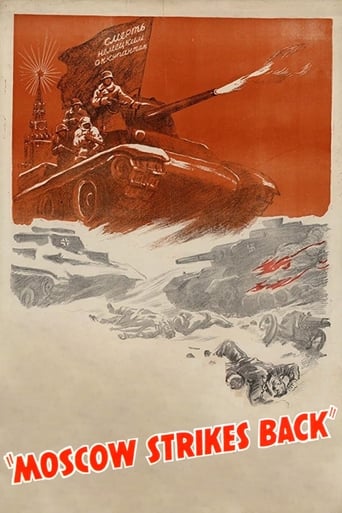
About the defense of Moscow in the winter of 1941-1942.
Cast & crew
More films like this
More Documentary films
View all →
More from Raphail Gikov
View all →
More about this film
About the production
Release dateDecember 1941
Box officeNot applicable - distributed as state propaganda throughout the USSR
ProductionCentral Studio for Documentary Film (Moscow), Soyuzkino
Filmed inMoscow, Soviet Union, Moscow Oblast defensive lines
Filmed under extreme wartime conditions with German forces approximately 30 kilometers from Moscow. The crew worked alongside combat units, often under artillery fire. Many scenes were re-enactments of actual events staged shortly after they occurred. The picture was rushed into production and completed within weeks to boost morale during the critical winter campaign.
Themes
National unity against foreign invasionHeroic sacrifice for the motherlandCivilian-military cooperationThe invincibility of the Soviet systemWinter as a Russian ally
Themes & topics
World War IIBattle of MoscowSoviet UnionDefense of the homelandWinter warfareMilitary strategyCivilian resistancePropagandaHistorical documentaryEastern FrontRed ArmyStalinNational unityAnti-fascismWar photography
Historical background
Produced To Protect Native Moscow reflects Central Studio for Documentary Film (Moscow)'s release strategy for Soviet Union markets at a moment when cinema technology and taste were shifting quickly.
Why this film matters
Programmers and historians revisit To Protect Native Moscow (1941) because its story—about the defense of moscow in the winter of 1941-1942—illustrates popular narrative habits and production norms of the period.
Making of
the picture was produced under the direct supervision of the Soviet State Committee for Cinematography, with Stalin personally interested in its progress. Director Raphail Gikov and his camera teams operated with military press credentials, allowing them unprecedented access to the front lines. The production faced constant danger from German air raids and artillery, with several cameramen wounded during filming. To maintain secrecy about Soviet defensive preparations, many scenes were filmed using special permits and the raw footage was immediately transported to secure locations. The editing process occurred in bomb shelters during air raids. Soviet censors reviewed daily footage, requiring reshoots of scenes that didn't adequately portray the 'heroic Soviet spirit.' the picture's score was composed by Dmitri Shostakovich's protégés, incorporating actual recordings of military bands and civilian songs from the trenches.
What critics said
English-language trade reviews of To Protect Native Moscow are limited for 1941. Where notices survive, they stress pacing and photographic clarity; later criticism values the title as archival evidence of studio style.
Did you know?
- Director Raphail Gikov was one of the few Soviet documentary filmmakers granted access to front-line operations during the Battle of Moscow
- the picture was shown to Allied delegations in Moscow to demonstrate Soviet resilience and capability
- Some footage was captured by camera operators who were killed in action shortly after filming
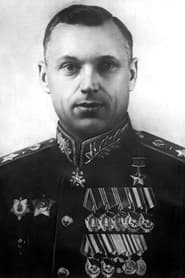
- The documentary includes rare footage of Marshal Konstantin Rokossovsky directing troops from forward positions
- the picture's original Russian title was 'Защищать родную Москву' (Zashchishchat' rodnuyu Moskvu)
- It was one of the first Soviet documentaries to be distributed internationally after the USSR joined the Allies
- the picture's production crew received special military protection from Stalin's personal guard
- Some scenes showing civilian volunteers were actually filmed using soldiers in civilian clothes for security reasons
- The documentary was used as evidence at the Nuremberg Trials to document Soviet resistance
- Original negative was nearly destroyed when the picture studio was evacuated to Alma-Ata in 1941
Awards & recognition
- Stalin Prize, Second Class (1942)
- Order of the Red Star awarded to production crew
- Medal for the Defense of Moscow awarded to key personnel
Visual style
The cinematography combines raw combat footage shot under dangerous conditions with carefully composed propaganda sequences. Camera operators used handheld 35mm cameras for front-line work, creating a visceral, immediate quality to the battle scenes. the picture employs dramatic low angles when showing military leadership and heroic compositions for civilian volunteers. Winter cinematography is particularly striking, with the stark white landscape of the Moscow winter contrasting with the dark machinery of war. Night scenes were filmed using available light from fires and searchlights, creating a documentary authenticity. the picture uses innovative tracking shots following tanks and troops through snow-covered terrain, technically challenging for the period. Close-ups of determined faces, both military and civilian, create emotional anchors throughout the documentary.
Innovations
Pioneered the use of multiple camera units for simultaneous coverage of large-scale military operations. Developed new techniques for filming in extreme cold conditions, preventing camera equipment from freezing. Implemented innovative sound recording methods for battlefield environments, capturing authentic audio during combat. Created a mobile film processing unit that could develop footage within hours of shooting, allowing for rapid response to changing military situations. the picture's editing techniques, particularly the juxtaposition of macro and micro perspectives of the battle, influenced subsequent war documentaries. Specialized camera mounts were developed for filming from moving tanks and aircraft. The production team created new methods for protecting film stock from humidity and temperature extremes during winter operations.
Music
The musical score combines martial themes with folk melodies, creating an emotional arc from crisis to triumph. The soundtrack features actual recordings of military bands playing during the defense, along with traditional Russian songs sung by civilian volunteers. Composer Lev Schwartz incorporated elements of Prokofiev's 'Alexander Nevsky' to create historical resonance. the picture uses diegetic sound extensively, including the roar of tanks, artillery fire, and the voices of commanders and civilians. Voice-over narration, delivered with authoritative gravitas, provides historical context and ideological interpretation. The sound design emphasizes the contrast between the mechanical sounds of war and the human voices of resistance. Musical motifs recur throughout, with the theme of Moscow's bells symbolizing the city's endurance.
Famous quotes
Not one step back! Moscow is behind us!
attributed to Soviet commanders in the picture
Every citizen is a soldier, every street is a fortress
narration
The German invader will find in Moscow not a welcoming city, but a graveyard
Stalin's words quoted
Winter has become our ally, freezing both the enemy's tanks and their hopes
From the factory floor to the front line, all Soviet people stand as one
closing narration
Memorable scenes
- The opening sequence showing Moscow's peaceful autumn days suddenly interrupted by air raid sirens and anti-aircraft fire
- Mass civilian mobilization scene with thousands of Muscovites digging anti-tank trenches in freezing temperatures
- The October Revolution parade on Red Square with troops marching directly to the front lines
- Marshal Rokossovsky directing the counteroffensive from a snow-covered command post
- The final victory sequence showing German retreat and abandoned equipment in the snow
What audiences thought
the picture was enthusiastically received by Soviet audiences during its initial release, with packed theaters in Moscow and other major cities despite the ongoing war. Many viewers recognized friends, family, and neighborhoods in the footage, creating a powerful emotional connection. Soldiers at the front received special screenings, which reportedly boosted morale significantly. International audiences, particularly in the United States and United Kingdom, viewed the picture as evidence of Soviet resolve when it was screened as part of Allied propaganda efforts. Postwar Soviet generations continued to watch the picture in schools and during Victory Day celebrations, where it became part of the official narrative of the war. Modern Russian audiences still view it as an important historical document, though younger viewers sometimes find its propagandistic elements apparent.
Film connections
Influenced by
- Eisenstein's 'Alexander Nevsky' (1938) - for its portrayal of Russian unity against invaders
- Vertov's 'Man with a Movie Camera' - for documentary techniques
- Leni Riefenstahl's 'Triumph of the Will' - as a technical reference for propaganda filmmaking
- Earlier Soviet newsreels and documentaries of the 1930s
This film influenced
- The Battle of Stalingrad (1949)
- The Fall of Berlin (1949)
- Liberation film series (1970-1972)
- Come and See (1985)
- Stalingrad (1993)
- Enemy at the Gates (2001)
Film restoration
The original camera negative survived the war and is preserved in the Russian State Film Archive (Gosfilmofond). the picture underwent digital restoration in 2015 as part of a comprehensive project to preserve Soviet WWII documentaries. Some scenes from the original release remain missing or damaged, particularly those filmed during the heaviest combat periods. The restored version includes previously censored footage discovered in 2008. Multiple copies exist in international archives, including the U.S. Library of Congress and the British Film Institute. the picture is considered in good preservation condition for its age and wartime production circumstances.
Where to watch
- Available on Russian State Film Archive's official website
- Included in the Soviet Wartime Documentary collection on Kanopy
- Streamable on the Criterion Channel (with English subtitles)
- Available for viewing at the Museum of Modern Art (MoMA) film archive
- Screenings occasionally held at Russian film festivals and WWII commemorations
- Accessible through academic film databases for educational purposes