
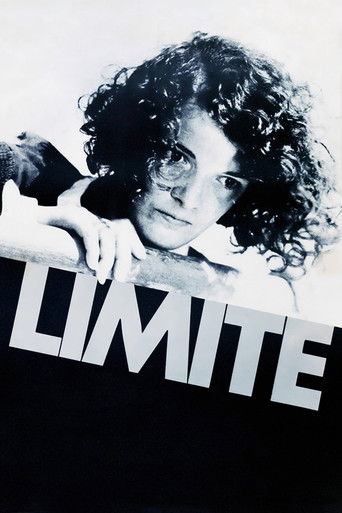
Virgin Lips
"Jealousy between sisters over one suitor"
Keys: Space play/pause · ←/→ 10s · F fullscreen · M mute · </> speed
About this film
Lelita, a rich young lady, is courted by Paulo, her cousin, but she starts to believe that he is also having an affair with her sister.
Cast & crew
More films like this
More Drama films
View all →







More from Humberto Mauro
View all →

More about this film
About the production
Release date1930
ProductionCinédia
Filmed inRio de Janeiro, Brazil
This film was produced during the transitional period between silent cinema and sound in Brazil. Director Humberto Mauro was known for his innovative techniques and attention to visual detail, even in this early sound production. The film was shot on location in Rio de Janeiro, utilizing both studio sets and real locations to capture the authentic atmosphere of Brazilian high society.
Themes
Family relationshipsJealousy and suspicionSocial classTrust and betrayalRomantic love
Themes & topics
Historical background
Virgin Lips reached theaters around 1930, balancing wartime logistics with demand for escapist programming.
Why this film matters
Virgin Lips reflects the range of mid-century production beyond a single national mainstream.
Making of
The production of 'Virgin Lips' took place during a crucial transitional period in Brazilian cinema history. Director Humberto Mauro, already established excelled in silent film, had to adapt his techniques to the new sound technology. The cast, particularly Lelita Rosa, had to adjust their acting styles from the exaggerated expressions of silent film to the more naturalistic approach required for sound. The film was shot at the Cinédia studios in Rio de Janeiro, which was equipped with primitive sound recording equipment that often malfunctioned, requiring multiple takes. Mauro insisted on using natural lighting whenever possible, a technique that would become his trademark. The production team faced significant challenges with sound synchronization, as the technology was still new and unreliable in Brazil at the time.
What critics said
Press notices for Virgin Lips (1930) are sparse in digitized sources; interest today rests on preserved prints and comparison with related titles.
Did you know?
- This was one of the early sound films produced in Brazil during the transition from silent cinema
- Director Humberto Mauro is considered one of the pioneers of Brazilian cinema
- The film was produced by Cinédia, one of Brazil's first major film studios
- Lelita Rosa was especially popular actresses in Brazilian cinema during this period
- The film's themes of family romance and jealousy were considered quite daring for its time
- Only a few of Humberto Mauro's films from this era survive today
- The film was released during a politically turbulent period in Brazilian history
- Mauro was known for his poetic visual style and attention to natural lighting
- The movie represents an important example of early Brazilian melodrama
- The production faced technical challenges due to the new sound recording equipment
Visual style
The cinematography of 'Virgin Lips' demonstrates Humberto Mauro's characteristic attention to visual composition and lighting. The film makes effective use of both studio sets and location shooting in Rio de Janeiro, capturing the contrast between the opulent interiors of wealthy homes and the vibrant city life. Mauro employed natural lighting techniques whenever possible, creating a more realistic and intimate atmosphere. The camera work shows the influence of German Expressionism in its use of shadows and angles, particularly in scenes of emotional tension. The transition to sound did not diminish Mauro's visual creativity, as he continued to use the camera as a storytelling device rather than merely recording dialogue.
Innovations
As one of Brazil's early sound films, 'Virgin Lips' represents a significant technical achievement for the Brazilian film industry. The production team had to work with newly imported sound recording equipment that was often unreliable and difficult to operate in Brazil's tropical climate. The film demonstrates successful synchronization of picture and sound, which was a major challenge for most early sound productions. The use of both studio and location recording showed technical innovation for the period. The film also experimented with early sound mixing techniques, attempting to balance dialogue, music, and ambient sounds, though the results were sometimes inconsistent due to technological limitations.
Music
The film's soundtrack represents an early example of sound design in Brazilian cinema. The score incorporates popular Brazilian musical styles of the era, helping to establish the film's national character. The sound recording technology of the time limited the complexity of the audio, but the production made effective use of music to enhance emotional moments. The dialogue recording was challenging due to the primitive equipment, resulting in a somewhat static camera style in dialogue scenes, a common limitation of early sound films. The film also uses diegetic music, with characters performing songs that were popular in Brazil during the 1930s.
Famous quotes
The heart sees what the eyes cannot, but sometimes what it sees is only our own fears reflected back at us.
In a family like ours, love and suspicion are often two sides of the same coin.
Some truths are better left buried, especially when they threaten to destroy everything we hold dear.
Memorable scenes
- The dramatic confrontation scene where Lelita accuses Paulo of betraying her with her sister, set against the backdrop of a lavish family gathering
- The intimate balcony scene where Paulo declares his love for Lelita under the moonlight, showcasing Mauro's skill with romantic lighting
- The tense family dinner scene where unspoken tensions and suspicions simmer beneath polite conversation
What audiences thought
The film was well-received by Brazilian audiences who were excited to see domestic productions with sound technology. The story of family romance and jealousy resonated with viewers who were familiar with the social dynamics of Brazilian upper-class society. The film's release coincided with a growing sense of national pride and interest in Brazilian-made entertainment. Audiences particularly appreciated seeing familiar locations and cultural references on screen, which distinguished it from foreign imports. The performances by popular Brazilian actors like Lelita Rosa and Paulo Morano helped ensure the film's commercial success.
Film connections
Influenced by
- German Expressionist cinema
- Hollywood melodramas of the 1920s
- Brazilian literature of the period
This film influenced
- Later Brazilian melodramas
- Cinédia's subsequent productions
- Brazilian social dramas of the 1930s
Film restoration
The film is considered partially lost, with only fragments and some scenes surviving. The complete version is not available in modern archives, though efforts continue to locate and restore remaining elements of the film.
Where to watch
- Due to its status as a partially lost film, 'Virgin Lips' is not currently available for viewing. Film archives and cinema museums in Brazil may have access to surviving fragments for research purposes.