Humberto Mauro
Director
Born: April 30, 1897 in Volta Grande, Minas Gerais, Brazil Died: November 5, 1983 Active: 1926-1974 Birth Name: Humberto Duarte Mauro
Films
3 films
About Humberto Mauro
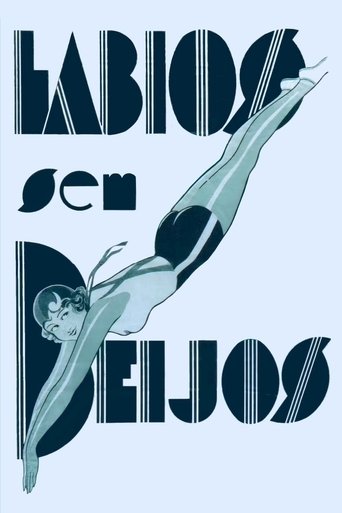
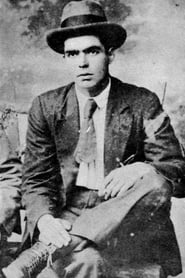
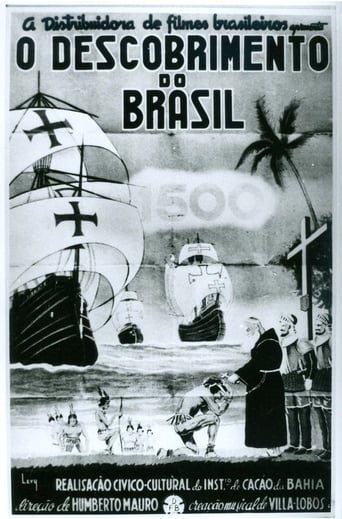
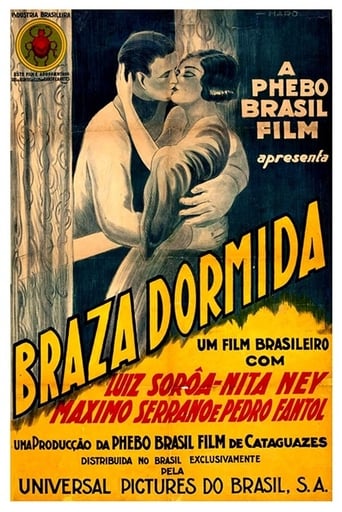
Humberto Duarte Mauro — Brazilian filmmaker who emerged during the silent era and became directors in Brazilian cinema history. Born in Minas Gerais in 1897, Mauro began his career as a photographer and projectionist before transitioning to filmmaking in the 1920s. His early works like 'Brasa Dormida' (1928) and 'Labios sem Beijo' (1930) established him excelled in visual poetry and narrative innovation. Mauro's 1933 masterpiece 'Ganga Bruta' is the greatest Brazilian films ever made, showcasing his sophisticated understanding of cinematic language and emotional depth. He later worked on 'O Descobrimento do Brasil' (1936), an ambitious historical epic that combined documentary techniques with dramatic storytelling. Throughout his career, Mauro remained committed to creating a distinctly Brazilian cinema that captured the country's landscapes, people, and cultural identity. His influence extended beyond directing, as he also worked as a cinematographer, screenwriter, and mentor to future generations of Brazilian filmmakers. Mauro continued working in cinema until the 1970s, leaving an indelible mark on Brazilian film culture.
The Craft
Behind the Camera
Humberto Mauro's directing style was characterized by poetic visual storytelling, innovative camera techniques, and a deep connection to Brazilian landscapes and culture. He employed sophisticated use of shadows and lighting reminiscent of German Expressionism, combined with a distinctly Brazilian sensibility. Mauro was known for his meticulous composition, often treating each frame as a carefully crafted photograph. His narrative approach blended melodrama with social realism, creating emotionally resonant stories that captured the essence of Brazilian life. He pioneered techniques such as deep focus, mobile camera movements, and atmospheric lighting that were ahead of their time in Brazilian cinema.
Milestones
- Directed the silent masterpiece 'Brasa Dormida' (1928)
- Created the critically acclaimed 'Ganga Bruta' (1933)
- Directed the historical epic 'O Descobrimento do Brasil' (1936)
- Pioneered Brazilian cinema's visual style and narrative techniques
- Served as head of production at Cinédia studio
- Mentored numerous Brazilian filmmakers in later years
Best Known For
Must-See Films
Accolades
Won
- Brazilian Film Critics Association Award for Best Director (1952)
- Governor's Award for Cultural Merit (1970)
- Order of Cultural Merit (1975)
Nominated
- Venice Film Festival Golden Lion nomination for 'Ganga Bruta' (1933)
- Cannes Film Festival nomination for 'Canto da Saudade' (1952)
Special Recognition
- Named one of the greatest Brazilian filmmakers of all time by the Brazilian Film Academy
- Retrospective at the Museum of Modern Art in New York (1965)
- Honored at the Brasília Film Festival with a career tribute (1973)
- Inducted into the Brazilian Cinema Hall of Fame (1970)
Working Relationships
Worked Often With
Studios
Why They Matter
Impact on Culture
Humberto Mauro fundamentally shaped Brazilian cinema's identity during its formative years, establishing a visual language that was distinctly Brazilian while incorporating international cinematic techniques. His films captured the Brazilian landscape, culture, and social realities in ways that had never been seen before, helping to create a national cinema that could compete with foreign productions. Mauro's work during the transition from silent films to talkies was particularly crucial, as he successfully navigated technological changes while maintaining artistic integrity. His emphasis on Brazilian themes, locations, and stories inspired generations of filmmakers to explore their own cultural heritage through cinema. The poetic quality of his visual style and his innovative narrative techniques elevated Brazilian cinema from mere entertainment to art form.
Lasting Legacy
Humberto Mauro's legacy as the 'father of Brazilian cinema' endures through his influential body of work and the generations of filmmakers he inspired. His films continue to be studied in film schools worldwide as examples of sophisticated visual storytelling and national cinema development. The preservation and restoration of his films have become important cultural projects in Brazil, with institutions like the Cinemateca Brasileira working to maintain his cinematic heritage. Mauro's name is synonymous with the golden age of Brazilian cinema, and his techniques and aesthetic choices continue to influence contemporary Brazilian filmmakers. The annual Humberto Mauro Award was established in his honor to recognize excellence in Brazilian cinema.
Who They Inspired
Mauro's influence extends far beyond his own era, directly impacting the Cinema Novo movement of the 1960s through his emphasis on Brazilian themes and innovative visual techniques. Directors like Glauber Rocha and Nelson Pereira dos Santos cited Mauro as a primary influence in developing their own cinematic visions. His work in capturing Brazilian landscapes and culture paved the way for future filmmakers to explore national identity through cinema. Mauro's technical innovations in lighting, composition, and camera movement became foundational elements in Brazilian film education. His success in creating commercially viable yet artistically significant films demonstrated that Brazilian cinema could achieve both popular and critical success.
Off Screen
Humberto Mauro was known for his dedication to cinema above all else, often working tirelessly on his projects. He married Maria da Conceição Mauro in 1925, and she remained his supportive partner throughout his career. The couple had one child, a daughter named Maria do Carmo, who occasionally worked on his film sets. Mauro was known for his humble nature despite his artistic genius, and he maintained close relationships with his cast and crew members throughout his career. He spent his later years in Volta Redonda, where he continued to be involved in film education and mentoring young filmmakers until his death in 1983.
Education
Self-taught filmmaker; began as a photographer and projectionist; no formal film education
Family
- Maria da Conceição Mauro (1925-1983)
Did You Know?
- Mauro began his career as a traveling projectionist, showing films in small towns across Minas Gerais
- He built his first camera from spare parts and taught himself cinematography
- 'Ganga Bruta' was considered lost for decades before being rediscovered and restored in the 1970s
- Mauro was one of the first Brazilian directors to successfully transition from silent films to sound
- He often served as his own cinematographer due to budget constraints and his technical expertise
- His films were heavily censored during the military dictatorship period but have since been fully restored
- Mauro never received formal film education but was invited to lecture at film schools internationally
- He was known for shooting multiple takes to achieve the perfect visual composition
- Mauro's daughter Maria do Carmo appeared as an extra in several of his films
- Despite his international recognition, Mauro remained humble and continued living modestly throughout his life
In Their Own Words
Cinema is not just a business; it is the art of capturing the soul of a nation on celluloid.
Every frame should be a photograph, every scene a poem, every film a journey into the human heart.
To make Brazilian cinema is to paint with light the colors of our land, the rhythm of our people, the dreams of our nation.
The camera is my brush, the film my canvas, and Brazil my eternal muse.
Technical limitations are merely challenges for creative solutions; true cinema comes from the heart, not the budget.
Frequently Asked Questions
Who was Humberto Mauro?
Brazilian on YTB.my. He is widely regarded as.
What films is Humberto Mauro best known for?
Titles linked here include Brasa Dormida (1928), Labios sem Beijo (1930).
When was Humberto Mauro born and when did he die?
Born April 30, 1897; died November 5, 1983.
What awards did Humberto Mauro win?
Mauro received numerous honors including the Brazilian Film Critics Association Award for Best Director (1952), the Governor's Award for Cultural Merit (1970), and the Order of Cultural Merit (1975). He was also the subject of retrospectives at major international institutions including the Museum of Modern Art in New York.
What was Humberto Mauro's directing style?
Mauro's directing style was characterized by poetic visual storytelling, innovative camera techniques, and a deep connection to Brazilian landscapes and culture. He employed sophisticated use of shadows and lighting, meticulous composition, and a narrative approach that blended melodrama with social realism to create emotionally resonant stories that captured the essence of Brazilian life.
How did Humberto Mauro influence Brazilian cinema?
Mauro fundamentally shaped Brazilian cinema by establishing a visual language that was distinctly Brazilian while incorporating international techniques. His work inspired the Cinema Novo movement and generations of filmmakers, demonstrating that Brazilian cinema could achieve both artistic merit and commercial success while maintaining cultural authenticity.
Did Humberto Mauro work in both silent and sound films?
Yes, Mauro successfully navigated the transition from silent to sound cinema, beginning with silent films like 'Brasa Dormida' (1928) and later creating acclaimed sound films like 'Ganga Bruta' (1933) and 'O Descobrimento do Brasil' (1936), showcasing his ability to adapt to new technologies while maintaining artistic quality.