Keys: Space play/pause · ←/→ 10s · F fullscreen · M mute · </> speed
Plot
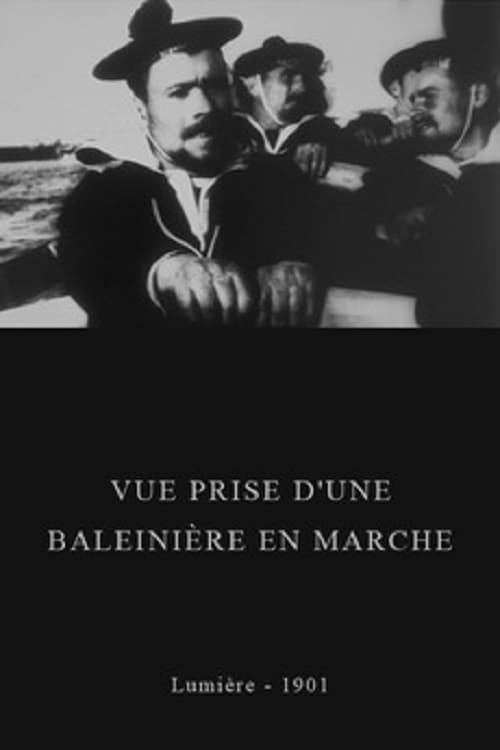
This early documentary short film captures a group of sailors actively rowing a traditional whaling boat across the water. The camera, positioned at a medium-tight angle, focuses on the synchronized movements of the crew as they work together to propel the vessel forward. The men's physical exertion and the rhythmic motion of their oars create a compelling visual rhythm that showcases the labor-intensive nature of whaling in the early 20th century. The film provides an authentic glimpse into maritime life and the dangerous profession of whale hunting during this era. As one of the earliest motion pictures documenting occupational activities, it preserves a moment of working-class maritime culture that would soon disappear with modernization.
Director
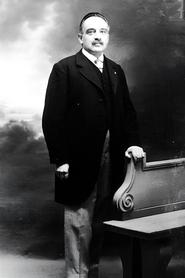 Alexandre Promio
About the Production
Release Date 1900
Production Lumière Company
Filmed In France (likely Mediterranean coast or Atlantic coast)
Filmed by Alexandre Promio, one of the Lumière Company's most prolific cinematographers, this film represents the early documentary tradition of capturing real-life activities. The camera work required careful positioning on or near the moving boat, which was technically challenging for the era. The medium-tight shot was relatively innovative for the time, as many early films used static, wide shots. The film was likely shot using the Lumière Cinématographe, which served as both camera and projector.
You Might Also Like
More Documentary Films
View all →


More from Alexandre Promio
View all →
New York, Brooklyn Bridge
1899
Panorama of the Grand Canal Taken from a Boat
1896
Leaving Jerusalem by Railway
1897
Une bataille dans le vieux Stockholm
1897
Danse au bivouac
1896
Constantinople, panorama des rives du Bosphore
1897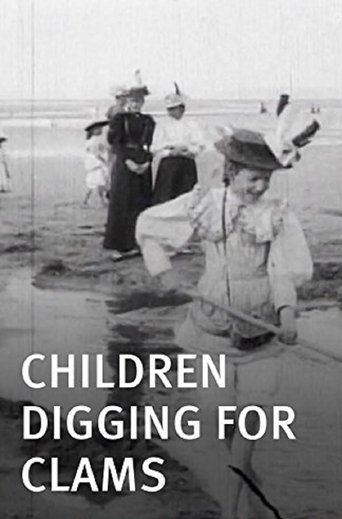
Children Digging for Clams
1896
New York: Broadway at Union Square
1896
Themes & Topics
Historical Background
This film was created during the pioneering era of cinema, just five years after the Lumière brothers' first public screening in 1895. The year 1900 was significant as it marked the Paris Exposition, where cinema was showcased as a technological marvel of the new century. France was the undisputed leader in early film production, with the Lumière Company and Georges Méliès dominating the industry. The film captures the tail end of traditional whaling practices, which would soon be transformed by modern technology and changing attitudes toward hunting whales. This period also saw the beginning of cinema's evolution from novelty attraction to artistic medium, with filmmakers like Promio pushing boundaries in terms of camera placement and subject matter. The documentary approach reflected the 19th-century fascination with scientific observation and cataloging of human activities.
Why This Film Matters
This film holds immense historical importance as one of the earliest motion pictures to document maritime labor and traditional whaling practices. It represents the foundational role of documentary film in preserving cultural practices and working-class life that might otherwise have been lost to history. The film exemplifies the Lumière Company's philosophy of capturing 'actualités' - real scenes from everyday life - which established documentary as one of cinema's earliest and most enduring genres. Its medium-tight composition shows early experimentation with cinematic language beyond simple static recordings. The preservation of this whaling scene provides invaluable visual documentation of maritime culture at the turn of the 20th century, serving as an anthropological record of traditional seafaring life. The film also demonstrates cinema's early role in bringing distant or specialized activities to public view, expanding viewers' understanding of different ways of life.
Making Of
Alexandre Promio, working for the pioneering Lumière Company, filmed this documentary during his extensive travels documenting life around the world. The production required significant technical skill, as filming from or near a moving boat in 1900 presented numerous challenges including camera stability, lighting conditions, and the bulky nature of early film equipment. Promio had to carefully position the Cinématographe to capture the medium-tight shot while maintaining focus on the rowing sailors. The sailors were likely actual whalers or fishermen rather than actors, contributing to the film's authentic quality. The film was processed and developed using the Lumière Company's facilities in Lyon, France, before being distributed to early cinema venues worldwide.
What Critics Said
Contemporary reception of this film would have been part of the general fascination with moving pictures in 1900. Critics and audiences of the era marveled at the technical achievement of capturing motion on film, regardless of subject matter. The film would have been praised for its clarity and the novelty of seeing moving images of sailors at work. Modern film historians and critics recognize this work as an important example of early documentary cinema and a valuable historical document. The film is studied in academic contexts for its representation of early cinematic techniques and its role in establishing documentary traditions. Critics today appreciate Promio's compositional choices, particularly the relatively intimate medium shot that was innovative for its time.
Did You Know?
- This film is one of approximately 1,422 films made by the Lumière Company between 1895 and 1905
- Alexandre Promio was known as the 'Marco Polo of cinema' for his extensive travels filming around the world
- The film represents an early example of what would later be called 'actualité' films - documentary-style recordings of real events
- Whaling was still a significant industry in 1900, though it would decline dramatically in the following decades
- The medium-tight shot was unusual for the period, as most early films used static, distant perspectives
- This film was part of the Lumière Company's extensive catalog of scenes showing various occupations and daily activities
- The synchronized rowing captured in the film demonstrates early cinema's ability to capture and study human movement
- Like many Lumière films, this was likely shown as part of a program of multiple short films in early cinema venues
- The film's brevity was typical of the era, where most films lasted under a minute due to technical limitations
- This type of occupational documentary helped establish cinema as a medium for both entertainment and documentation
More film details Visual style, music, quotes, restoration, and more
Visual Style
The cinematography in this film demonstrates notable technical achievement for its era. The medium-tight shot was relatively innovative, as most early films employed static, wide compositions. The camera work required careful positioning to capture the rowing action while maintaining stability, likely requiring Promio to film from another vessel or carefully chosen shore position. The framing focuses attention on the human element - the synchronized movements and physical labor of the sailors. The natural lighting and outdoor setting presented challenges typical of early filmmaking, yet the resulting image shows remarkable clarity. The composition creates a sense of rhythm and movement that anticipates later cinematic techniques for capturing action. This approach to framing and movement shows early understanding of how camera placement could affect audience engagement with the subject matter.
Memorable Scenes
- The synchronized rowing of the sailors captured in a medium-tight shot, showing the rhythmic, coordinated effort required to propel the whaling boat across the water - a rare intimate view of maritime labor from the earliest days of cinema
What Audiences Thought
Early cinema audiences in 1900 would have been captivated by this film purely for the novelty of seeing moving images. The sight of sailors rowing in synchronized motion would have been mesmerizing to viewers who had never experienced film before. The film's brief runtime and clear action made it ideal for the mixed programs typical of early cinema exhibitions. Modern audiences viewing this film in archives or film history contexts appreciate it as a window into the past and an example of cinema's earliest days. The film serves as an educational tool for understanding both early filmmaking techniques and maritime history. Contemporary viewers often express fascination with the authenticity of the scene and the glimpse it provides into working life over a century ago.
Film Connections
Influenced By
- Lumière Company's actualité films
- Early documentary tradition
- 19th-century ethnographic photography
- Industrial era documentation of labor
This Film Influenced
- Subsequent maritime documentaries
- Occupational documentaries
- Early ethnographic films
- Newsreel traditions of documenting work
Film Restoration
Preserved in film archives, likely held by the Lumière Institute and other major film preservation institutions. The film has been digitized and is available through various archival collections and film history resources.
Where to Watch
- Lumière Institute archives
- French National Archives
- Various film history websites and educational platforms
- Museum of Modern Art film collection
- British Film Institute archives