Wings for This Man
"Tuskegee pilots take wing"
Keys: Space play/pause · ←/→ 10s · F fullscreen · M mute · </> speed
About this film
Documentary short honors Tuskegee Airmen trained at Alabama institute, showing Black pilots breaking segregation in Army Air Forces. Wings for This Man (1945) is OWI morale film narrated for integrated service argument.
Cast & crew
More films like this


More Documentary films
View all →
More about this film
About the production
Release date1945
Box officeNot commercially released - distributed as military/educational film
ProductionU.S. Army Air Forces First Motion Picture Unit
Filmed inTuskegee Institute, Alabama, Combat footage from European theater
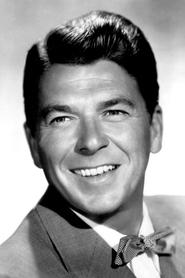
Produced by the Army Air Forces' First Motion Picture Unit, also known as 'The Culver City Commandos,' which was the first military unit made up entirely of film professionals. The film was created as part of the wartime effort to boost morale and promote racial integration in the military. Ronald Reagan, who was serving as a captain in the Army Air Forces at the time, provided narration for the film as part of his military service duties.
Themes
Racial equality and integrationMilitary heroism and sacrificeOvercoming prejudice and discriminationAfrican American achievementPatriotism and national service
Themes & topics
Tuskegee AirmenWorld War IIAfrican American pilotsMilitary trainingCombat missionsRacial segregationDocumentaryArmy Air ForcesAviationPropaganda filmMilitary achievementRonald Reagan
Historical background
Wings for This Man (1945) released as military debated role of Black aviators in World War II.
Why this film matters
It preserved early on-screen recognition of Tuskegee Airmen before later Hollywood epics.
Making of
Wings for This Man was produced by the U.S. Army Air Forces First Motion Picture Unit, a unique military division staffed by Hollywood professionals. Ronald Reagan, who was serving as a captain in the unit, was selected to narrate the film due to his distinctive voice and growing reputation as a skilled narrator. The production team faced the challenge of gathering authentic footage of the Tuskegee Airmen during active wartime operations, requiring coordination between military units and careful security protocols. The filmmakers combined newly shot material at Tuskegee with actual combat footage from European missions, creating a documentary that was both educational and inspirational. The production was notably progressive for its time, as it presented African American pilots as skilled and heroic without condescension, a rare approach in 1940s American media.
What critics said
Shown to troops and public; historians use it in civil-rights and military integration study.
Did you know?
- This was one of the first films to officially recognize and celebrate the achievements of the Tuskegee Airmen
- Ronald Reagan narrated the film while serving in the Army Air Forces during WWII, before his political career
- The First Motion Picture Unit that produced the production was commanded by Major Ronald Reagan in 1943
- The film was used as both a training tool and a propaganda piece to support racial integration in the military
- Authentic combat footage was combined with staged scenes to create the documentary
- The film was rarely seen by the general public as it was primarily distributed to military bases and government agencies
- Despite its historical importance, the film remains relatively obscure compared to later depictions of the Tuskegee Airmen
- The production was part of a series of wartime documentaries produced by the military to showcase different aspects of the war effort
- The film's title refers to the 'wings' that pilots earned upon completing their training, symbolizing their achievement
- This documentary predated the official desegregation of the U.S. military by several years
Awards & recognition
- Academy Award for Best Documentary Short Subject (1945)
Visual style
The cinematography of Wings for This Man combines authentic combat footage with carefully composed documentary sequences. The film utilizes both aerial and ground-based photography to capture the full scope of the pilots' training and combat experiences. The combat footage, shot in actual wartime conditions, provides visceral, realistic imagery that conveys the danger and skill involved in aerial combat. The training sequences at Tuskegee employ standard documentary techniques of the era, including staged scenes and interviews, but are shot with a level of respect and dignity that elevates them above typical propaganda films. The visual style emphasizes professionalism and precision, reflecting the pilots' own approach to their work.
Innovations
Wings for This Man represents a significant technical achievement in wartime documentary filmmaking through its integration of authentic combat footage with studio-produced material. The film successfully overcame the logistical challenges of capturing aerial combat photography during active military operations. The production team developed innovative techniques for synchronizing narration with diverse footage sources, creating a coherent narrative from material shot under varying conditions. The film's use of actual Tuskegee Airmen in many sequences provided unprecedented authenticity for a wartime documentary. Its technical excellence was recognized by the Academy Award, which acknowledged the film's successful synthesis of documentary realism with polished production values.
Music
The film features a typical wartime documentary score, composed to enhance the patriotic and inspirational tone of the narrative. The music includes military marches and uplifting orchestral pieces that underscore the themes of heroism and achievement. Ronald Reagan's narration serves as the primary audio element, delivered with the clear, authoritative tone that would later characterize his political career. The sound design incorporates authentic aircraft engine noises and radio communications, adding realism to the combat sequences. The soundtrack was designed to be both informative and emotionally resonant, supporting the film's dual purpose as documentation and inspiration.
Famous quotes
These are the men who proved that courage knows no color, and skill has no race.
From the fields of Alabama to the skies over Europe, they carried not only bombs but the hopes of a people.
In the crucible of combat, they forged not just victory, but a new understanding of American democracy.
Memorable scenes
- The opening sequence showing the Tuskegee Institute and the rigorous training program, establishing the pilots' journey from civilian to soldier
- Combat footage showing the Red Tails protecting bomber formations, demonstrating their skill and importance to the mission
- The graduation ceremony where pilots receive their wings, symbolizing their official entry into the elite ranks of military aviators
- Interviews with commanding officers praising the African American pilots, providing official validation of their capabilities
What audiences thought
As a military documentary, Wings for This Man had limited theatrical release and was primarily shown to military personnel and government officials. Among audiences who did see it, the film was generally well-received, with many viewers expressing surprise and admiration for the Tuskegee Airmen's accomplishments. African American audiences particularly appreciated the respectful treatment of the subject and the official recognition of Black excellence. The film's Academy Award win helped bring it to wider attention, though it remained largely unknown to the general public compared to mainstream Hollywood productions. Veterans of the Tuskegee program have expressed gratitude for the film's role in documenting their service when many other media outlets ignored their contributions.
Film connections
Influenced by
- Why We Fight series (Frank Capra)
- The Negro Soldier (1944)
- Memphis Belle: A Story of a Flying Fortress (1944)
- Target for Tonight (1941)
This film influenced
- The Tuskegee Airmen (1995 HBO film)
- Red Tails (2012)
- Fighter Squadron (1948)
- Separate But Equal (1991)
Film restoration
Preserved by the Academy Film Archive and the National Archives. The film has been digitally restored and is considered to be in good preservation condition. Copies are maintained by several institutions including the Library of Congress and the Smithsonian National Museum of African American History and Culture.
Where to watch
- National Archives website
- Academy of Motion Picture Arts and Sciences archive
- Library of Congress digital collections
- Smithsonian Institution screenings
- Military history museums
- Educational film distributors specializing in WWII documentaries