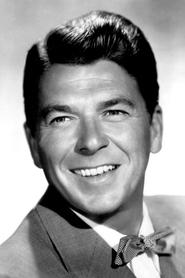
Ronald Reagan
Actor
Born: February 6, 1911 in Tampico, Illinois, USA Died: June 5, 2004 Active: 1937-1965 (acting career) Birth Name: Ronald Wilson Reagan
Films
2 films
About Ronald Reagan
Ronald Reagan began his career as a sports broadcaster before transitioning to Hollywood in 1937, signing with Warner Bros. Studios. He quickly established himself as a reliable leading man, appearing in over 50 films throughout his acting career from 1937 to 1965. Reagan's breakthrough role came in 'Knute Rockne All American' (1940) where he played football player George Gipp, earning him the nickname 'The Gipper.' His most critically acclaimed performance was in 'Kings Row' (1942), where he played a character whose legs are amputated, showcasing his dramatic range. During World War II, Reagan served in the Army Air Corps' First Motion Picture Unit, making training films and propaganda. He became increasingly involved in union politics, serving as President of the Screen Actors Guild from 1947-1952 and again in 1959-1960. As his film career declined in the 1950s, he transitioned to television hosting 'General Electric Theater' before eventually entering politics and becoming the 40th President of the United States.
The Craft
On Screen
Reagan cultivated an all-American, wholesome persona often playing the hero or leading man with earnest sincerity. His acting style was straightforward and naturalistic, fitting the studio system's requirements for reliable leading men. He excelled at playing characters with strong moral convictions and optimistic outlooks, though critics sometimes noted his performances lacked depth. Reagan had a warm, affable screen presence that made him believable in roles ranging from football players to military officers to romantic leads.
Milestones
- Breakthrough role in 'Knute Rockne All American' (1940)
- Critically acclaimed performance in 'Kings Row' (1942)
- Served as President of Screen Actors Guild (1947-1952, 1959-1960)
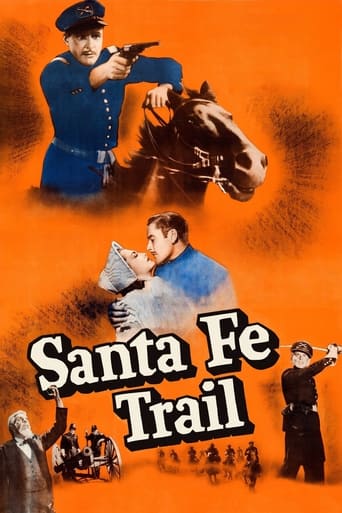
- Starred in 'Santa Fe Trail' (1940) with Errol Flynn and Olivia de Havilland
- Appeared in 'The Hasty Heart' (1949) earning critical praise
- Hosted 'General Electric Theater' television series (1954-1962)
Best Known For
Iconic Roles
Must-See Films
Accolades
Won
- Golden Globe nomination for Best Actor - 'The Hasty Heart' (1949)
Nominated
- Golden Globe for Best Actor - 'The Hasty Heart' (1949)
Special Recognition
- Hollywood Walk of Fame star (1960)
- Presidential Medal of Freedom (posthumous, 2005)
- Congressional Gold Medal (posthumous, 2004)
- Screen Actors Guild Life Achievement Award (1975)
Working Relationships
Worked Often With
Studios
Why They Matter
Impact on Culture
Reagan's acting career represented the quintessential American leading man of the 1940s and early 1950s, embodying the values of patriotism, optimism, and moral clarity that resonated with wartime and post-war audiences. His famous line 'Win one for the Gipper' from 'Knute Rockne All American' became a permanent part of American cultural lexicon. As Screen Actors Guild president, he played a crucial role during the Hollywood blacklist era and labor disputes, helping shape the modern entertainment industry. His transition from entertainment to politics established a template for celebrity politicians that continues to influence American culture today.
Lasting Legacy
While Reagan's political career ultimately overshadowed his Hollywood legacy, his film contributions remain significant as examples of Golden Age Hollywood's studio system output. His performances, particularly in 'Kings Row,' demonstrated serious dramatic talent beyond the B-movie roles he often received. Reagan's tenure as SAG president helped establish the guild as a powerful force in Hollywood labor relations. His career trajectory from actor to union leader to president remains unique in American history, demonstrating the growing intersection between entertainment and politics in the 20th century.
Who They Inspired
Reagan influenced subsequent generations of actors entering politics, paving the way for figures like Arnold Schwarzenegger and Clint Eastwood. His leadership of SAG during contentious periods established precedents for celebrity union activism. His acting style, while not revolutionary, represented the studio system's ideal of the all-American leading man, influencing how masculinity and patriotism were portrayed on screen. His successful career transition demonstrated the potential for entertainment figures to leverage their public recognition into political capital.
Off Screen
Reagan married actress Jane Wyman in 1940, and they had two children, Maureen and Michael, before divorcing in 1949. He married Nancy Davis in 1952, and they remained married until his death, having two children, Patti and Ron. Reagan was known for his optimistic personality and storytelling abilities, traits that served him well in both his acting and political careers. He was an avid horseback rider and enjoyed his ranch in California. His personal life was relatively scandal-free during his Hollywood years, contributing to his wholesome public image.
Education
Eureka College, Bachelor of Arts in Economics and Sociology (1932)
Family
- Jane Wyman (1940-1949)
- Nancy Davis (1952-2004)
Did You Know?
- Originally wanted to be a sportscaster and was a successful radio announcer before acting
- His famous line 'Win one for the Gipper' was used throughout his political career
- Appeared in the film 'Love Is on the Air' (1937), his first movie, playing a radio announcer
- During WWII, he made over 400 training films for the Army Air Forces
- Was originally offered the role of Rick Blaine in 'Casablanca' but it went to Humphrey Bogart
- His performance in 'Kings Row' was considered Oscar-worthy by many critics but he wasn't nominated
- Was colorblind, which sometimes affected his ability to distinguish costumes and props
- Turned down the role opposite Marilyn Monroe in 'The Seven Year Itch'
- His height was 6'1", tall for leading men of his era
- Was a Democrat early in his career before switching to the Republican Party in the 1960s
In Their Own Words
Win one for the Gipper - as George Gipp in 'Knute Rockne All American' (1940)
Where's the rest of me? - as Drake McHugh in 'Kings Row' (1942) after discovering his legs amputated
I don't believe in a government that protects us from ourselves - from his political career but reflecting his Hollywood libertarian values
Frequently Asked Questions
Who was Ronald Reagan?
Screen credits include over 50 films during Hollywood's Golden Age before becoming the 40th President of the United States. He served as President of the Screen Actors Guild and was known for his all-American leading man roles in films like 'Kings Row' and 'Santa Fe Trail'.
What films is Ronald Reagan best known for?
Titles linked here include Kings Row (1942), Santa Fe Trail (1940).
When was Ronald Reagan born and when did he die?
Born February 6, 1911; died June 5, 2004.
What awards did Ronald Reagan win for his acting?
Reagan received relatively few formal acting awards, though he earned a Golden Globe nomination for Best Actor for 'The Hasty Heart' (1949). His most significant entertainment industry recognition came later with the Screen Actors Guild Life Achievement Award in 1975 and a star on the Hollywood Walk of Fame in 1960.
What was Ronald Reagan's acting style?
Reagan cultivated an earnest, wholesome acting style perfect for the all-American leading man roles he typically played. He was known for his naturalistic delivery, warm screen presence, and ability to convey sincerity and optimism, though critics sometimes found his performances lacking in depth compared to method actors of his era.
How did Ronald Reagan transition from acting to politics?
Reagan's political involvement began during his tenure as Screen Actors Guild president from 1947-1952, where he dealt with labor disputes and the Hollywood blacklist. His transition accelerated through hosting 'General Electric Theater' in the 1950s, where he traveled the country giving speeches. He officially entered politics as California's governor in 1966 before becoming president in 1981.