
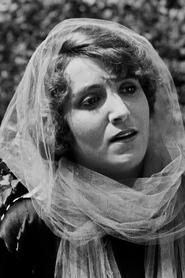
Maryse Dauvray
Actor
Born: October 8, 1888 in Paris, France Died: September 1, 1973 Active: 1913-1919 Birth Name: Marie-Louise Dauvray
Films
3 films
About Maryse Dauvray
Maryse Dauvray (born Marie-Louise Dauvray) was a French actress who rose to prominence during the silent film era of the 1910s. She began her film career in 1913 with a role in 'Chicot the Jester,' establishing herself as a talented performer in French cinema. Her most significant role came in 1919 when she was cast by visionary director Abel Gance in his anti-war masterpiece 'J'accuse,' where she played the character of Édith. The film was revolutionary for its time, featuring innovative techniques and powerful anti-war messaging that resonated deeply with post-World War I audiences. Dauvray's performance in 'J'accuse' showcased her ability to convey deep emotion through the silent medium, contributing to the film's critical and commercial success. Her career was relatively brief, spanning primarily from 1913 to 1919, during which she appeared in several French productions. After the silent era, Dauvray gradually faded from the film industry, though she through her work in one of cinema's most important early anti-war statements.
The Craft
On Screen
Maryse Dauvray was known for her expressive and emotive acting style characteristic of the silent era, using facial expressions and body language to convey complex emotions. Her performance in 'J'accuse' demonstrated her ability to portray both tenderness and dramatic intensity, essential for the film's powerful anti-war narrative. Like many silent film actors of her generation, she employed exaggerated gestures and facial expressions to communicate with audiences without dialogue, a technique that required considerable skill and dramatic presence.
Milestones
- Film debut in 'Chicot the Jester' (1913)
- Breakthrough role in Abel Gance's 'J'accuse' (1919)
- Recognition as a prominent French silent film actress
- Participation in one of cinema's earliest major anti-war films
Best Known For
Iconic Roles
Must-See Films
Accolades
Special Recognition
- Recognized as part of French cinema's silent era heritage
Working Relationships
Worked Often With
Studios
Why They Matter
Impact on Culture
Maryse Dauvray's most significant cultural contribution came through her role in 'J'accuse,' one of cinema's earliest and most powerful anti-war films. The film, made in the immediate aftermath of World War I, used innovative filmmaking techniques and emotional storytelling to convey the horrors of war. Dauvray's performance as Édith helped humanize the film's message, making the anti-war stance more personal and relatable to audiences. The film's impact was so profound that it was reportedly shown to soldiers who had actually fought in the war, with many recognizing themselves or fallen comrades among the real soldiers used as extras in the film's powerful climax.
Lasting Legacy
Maryse Dauvray's legacy is primarily tied to her role in 'J'accuse,' which remains a landmark of early cinema and anti-war filmmaking. Though her career was brief, her contribution to this historically significant film ensures her place in cinema history. The film itself has been preserved and studied by film historians as an example of early French cinematic innovation and as a powerful artistic response to the trauma of World War I. Dauvray represents the generation of actors who helped establish the dramatic potential of cinema during its formative years.
Who They Inspired
While Maryse Dauvray herself did not have a long career or extensive influence on subsequent generations of actors, her work in 'J'accuse' contributed to the development of dramatic acting in silent cinema. The film's success and emotional power demonstrated how cinema could be used as a medium for serious social and political commentary, influencing later filmmakers and actors who sought to use film for purposes beyond entertainment. Her performance style, typical of the silent era but executed with particular emotional depth, represents an important stage in the evolution of film acting techniques.
Off Screen
Maryse Dauvray was born Marie-Louise Dauvray in Paris, France, in 1888. She lived through the tumultuous period of World War I, which deeply influenced her most famous work 'J'accuse.' After her film career ended in the late 1910s, she largely retreated from public life. She spent her later years in France and passed away in 1973 at the age of 84, having witnessed the evolution of cinema from its silent beginnings to the modern era.
Education
Family
- Information not available in public records
Did You Know?
- 'J'accuse' was one of the first major anti-war films in cinema history
- The film's title comes from Émile Zola's famous letter 'J'accuse.!' about the Dreyfus affair
- Director Abel Gance used actual French soldiers who had fought in WWI as extras in the film
- The film's famous 'return of the dead' sequence was revolutionary for its time
- Maryse Dauvray's character Édith was central to the film's emotional narrative
- The film was remade by Gance in 1938 with sound
- Dauvray's active years covered the crucial transitional period of early cinema
- She worked during the same era as other French silent film pioneers like Sarah Bernhardt
- The original 'J'accuse' film print was considered lost for many years before being rediscovered
- The film premiered in Paris in April 1919, just months after WWI ended
In Their Own Words
While specific quotes from Maryse Dauvray are not well-documented, her performance in 'J'accuse' contributed to the film's powerful anti-war message through visual storytelling rather than dialogue
Frequently Asked Questions
Who was Maryse Dauvray?
French silent film actress active in the 1910s, best known for her role in Abel Gance's groundbreaking 1919 anti-war film 'J'accuse.' Born Marie-Louise Dauvray in Paris in 1888, she had a relatively brief but significant career during the formative years of cinema.
What films is Maryse Dauvray best known for?
Titles linked here include J'accuse (1919), Chicot the Jester (1913).
When was Maryse Dauvray born and when did she die?
Born October 8, 1888; died September 1, 1973.
What awards did Maryse Dauvray win?
There are no documented major awards or nominations for Maryse Dauvray, which was common for actors in the very early days of cinema before formal award systems were established. Her recognition comes primarily from her contribution to the historically significant film 'J'accuse.'
What was Maryse Dauvray's acting style?
Maryse Dauvray employed the expressive, emotive acting style characteristic of the silent film era, using facial expressions and body language to convey complex emotions without dialogue. Her performance in 'J'accuse' demonstrated her ability to portray both tenderness and dramatic intensity, essential for the film's powerful anti-war narrative.
How did Maryse Dauvray contribute to cinema history?
Maryse Dauvray contributed to cinema history through her role in 'J'accuse,' which pioneered anti-war filmmaking and innovative cinematic techniques. Her performance helped establish cinema as a medium for serious social commentary and demonstrated the emotional power possible in silent film storytelling.
Did Maryse Dauvray continue acting after the silent era?
Maryse Dauvray's film career appears to have ended around 1919, coinciding with the conclusion of the silent era. There are no documented film appearances from her in the sound era, suggesting she retired from acting as cinema transitioned to talkies.
What was the significance of 'J'accuse' in film history?
'J'accuse' is considered a masterpiece of early cinema and one of the first major anti-war films ever made. Director Abel Gance used innovative techniques including real soldiers as extras, and the film's emotional power was so profound that it influenced how cinema could address serious social and political issues.