
J'accuse
"Gance accuses war itself"
Keys: Space play/pause · ←/→ 10s · F fullscreen · M mute · </> speed
About this film
Abel Gance's J'accuse places married man and lover together in World War I trenches as microcosm of war. Two men, one married, the other the lover of the other's wife, who meet in the trenches of the First World War, and how their tale becomes a microcosm for the horrors of war.
Cast & crew
More films like this
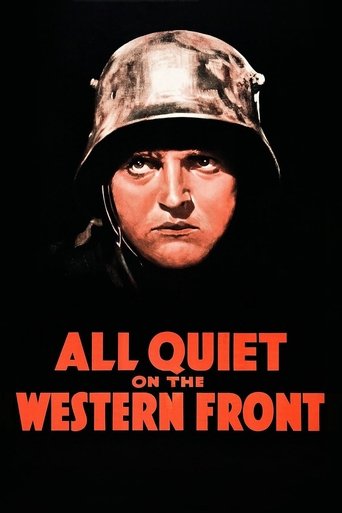
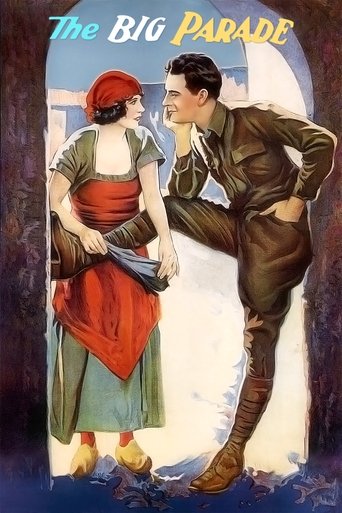
More War films
View all →

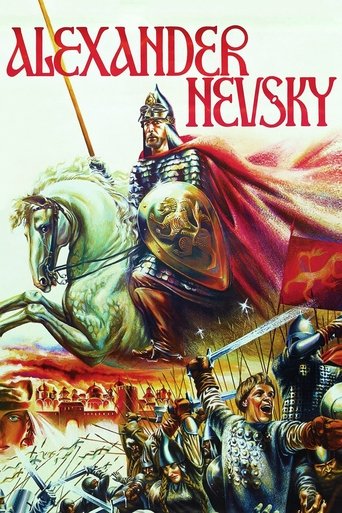
More from Abel Gance
View all →
More about this film
About the production
Release dateApril 25, 1919 (France)
Box officeSuccessful upon release, particularly in France where it resonated with post-war audiences
ProductionFilm d'Art
Filmed inParis studios, Real WWI battlefields in France, French countryside locations
Abel Gance used actual French soldiers who had recently returned from the front as extras in the battle sequences. The production faced numerous challenges including filming in difficult weather conditions and recreating authentic trench warfare. The famous 'return of the dead' sequence required innovative special effects techniques for the time, including multiple exposures and careful choreography of hundreds of extras.
Themes
Anti-war sentimentThe futility of sacrificeLove and betrayalNational traumaThe dehumanizing effects of war
Themes & topics
World War ILove triangleTrench warfareAnti-warSupernaturalPoetryBetrayalSacrificeGhost soldiersFrench army
Historical background
1919 placed J'accuse within France cinema as Film d'Art navigated wartime markets, immigration audiences, and the shift from intertitles to sound.
Why this film matters
Archivists revisit J'accuse (1919) for Abel Gance style, genre norms at Film d'Art, and the exhibition context of 166 minutes (original version) programming.
Making of
Abel Gance conceived 'J'accuse' while serving in the French Army during WWI, where he witnessed the horrors of trench warfare firsthand. Determined to create an anti-war statement, he began writing the script while still in uniform. The production was grueling, with Gance pushing his cast and crew to their limits. For the battle scenes, he recruited hundreds of actual soldiers who had recently returned from the front, lending an authenticity that couldn't be faked. The most challenging sequence was the 'return of the dead,' which required months of planning and revolutionary special effects techniques. Gance used multiple exposures, careful lighting, and had to direct hundreds of extras in precise movements to create the ghostly effect of soldiers rising from their graves. The emotional toll on the cast and crew was immense, as many were still processing their own wartime experiences.
What critics said
Retrospective writing on J'accuse stresses craft by Abel Gance, print survival, and repertory value rather than opening-week gross alone.
Did you know?
- Abel Gance was so passionate about the project that he financed part of it himself
- The title 'J'accuse' references Émile Zola's famous letter defending Alfred Dreyfus
- Many of the soldier extras were actual WWI veterans who had recently returned from combat
- Gance filmed additional scenes in 1938 for a sound remake, but the original silent version is considered the masterpiece
- The film's famous 'return of the dead' sequence was shot in reverse to create the supernatural effect
- Gance contracted Spanish flu during production but continued filming
- The battle sequences used real explosives and artillery, making them dangerously authentic
- Some scenes were filmed on actual WWI battlefields still showing signs of the recent conflict
- The film was initially censored in some countries for its graphic war content
- Gance's innovative camera techniques included handheld shots and dynamic tracking movements
Awards & recognition
- Grand Prix du Cinéma Français (1919)
- Medal of Honor from the French Veterans Association (1919)
Visual style
The cinematography by Léonce-Henri Burel was revolutionary for its time, featuring dynamic camera movements that were highly unusual in 1919. Gance employed handheld cameras for battle sequences, creating a visceral, documentary-like quality that immersed viewers in the chaos of combat. The film used innovative lighting techniques, particularly in the 'return of the dead' sequence, where ghostly effects were achieved through careful manipulation of natural and artificial light. Burel's work included dramatic close-ups that conveyed emotional intensity, tracking shots that followed soldiers through trenches, and sweeping panoramic views of battlefields. The contrast between intimate domestic scenes and epic war sequences demonstrated a mastery of scale and composition that influenced cinematography for decades.
Innovations
Gance pioneered numerous technical innovations in 'J'accuse' that were years ahead of their time. The film's most famous achievement was the 'return of the dead' sequence, which used multiple exposure techniques to create the illusion of soldiers rising from their graves. Gance also employed rapid editing, montage sequences, and superimposition effects that would influence Soviet montage theory. The battle sequences featured practical effects with real explosions and artillery, creating unprecedented realism. The film's use of location shooting in actual battlefields was unusual for the period. Gance experimented with camera movement, including tracking shots and what might be considered early forms of the crane shot. The film's epic scale, with hundreds of extras and massive sets, demonstrated cinema's capacity for spectacle previously thought impossible.
Music
As a silent film, 'J'accuse' was originally accompanied by live musical performances that varied by theater. The score typically included classical pieces, popular songs of the era, and original compositions. For the famous 'return of the dead' sequence, theaters often used somber, funereal music to enhance the emotional impact. Modern restorations have featured newly composed scores by contemporary composers, including orchestral arrangements that attempt to capture the film's epic scope and emotional depth. The original French premiere featured a specially commissioned score by Arthur Honegger, though this music has been lost. The absence of dialogue actually enhanced the film's universal message, allowing the visual storytelling to transcend language barriers.
Famous quotes
J'accuse... la guerre! (I accuse... war!)
Dead men, why have you returned? To see if your sacrifice was worthwhile.
In the mud of the trenches, all men are brothers.
We died for nothing... or did we die for everything?
The living must answer to the dead.
Memorable scenes
- The 'return of the dead' sequence where hundreds of ghostly soldiers rise from their battlefield graves and march home to question the living about their sacrifice
- The brutal trench warfare sequences showing the chaos and horror of combat
- The love triangle confrontation before the men leave for war
- The final scene where the protagonist confronts the reality of his losses
- The poet's transformation from romantic idealist to hardened soldier
What audiences thought
The film was enormously popular with post-war French audiences, many of whom were veterans or had lost family members in the conflict. Reports from the time describe audiences weeping during screenings and standing in ovation, particularly during the 'return of the dead' sequence. Veterans' organizations endorsed the film for its honest portrayal of the war experience. The commercial success was significant for an art film of its era, running for months in Paris cinemas. International audiences also responded positively, though some countries initially censored or cut the film for its graphic content. Modern audiences viewing restored versions continue to be moved by its power and technical brilliance, with screenings at film festivals and revival houses often selling out.
Film connections
Influenced by
- Émile Zola's 'J'accuse'
- D.W. Griffith's 'The Birth of a Nation' (for epic scale)
- Georges Méliès (for special effects techniques)
- French realist literature
- Expressionist art movement
This film influenced
- All Quiet on the Western Front
- Paths of Glory
- The Big Parade
- Westfront 1918
- Come and See
- Apocalypse Now
- Saving Private Ryan
Film restoration
The film has been preserved and restored by various archives including the Cinémathèque Française. Multiple versions exist, with the most complete restoration completed in recent years. Some footage remains lost, but the majority of the film survives in watchable condition. The 1938 sound remake used some footage from the original, helping preserve certain sequences. Digital restorations have made the film accessible to modern audiences while preserving its historical and artistic integrity.
Where to watch
- Criterion Collection (Blu-ray/DVD)
- Kino Lorber (home video releases)
- Film streaming platforms specializing in classic cinema
- Museum of Modern Art film screenings
- Cinémathèque Française archive viewings
- Various film festival retrospectives
- Educational institutions with film studies programs