
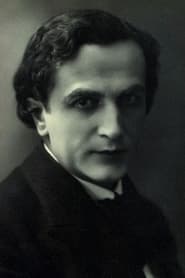
Romuald Joubé
Actor
Born: June 20, 1876 in Mazères, France Died: September 14, 1949 Active: 1910s-1940s
Films
2 films
About Romuald Joubé
Made significant contributions to both the theatrical stage and early cinema during the silent era. Born in 1876, he began his career on the Parisian stage before transitioning to film, where he found particular success in the 1910s and 1920s. His most celebrated film performance came in Abel Gance's anti-war masterpiece 'J'accuse' (1919), where his powerful portrayal of a soldier deeply affected audiences. Joubé's theatrical background lent his screen performances a gravitas and emotional depth that set him apart from many of his contemporaries. Throughout his career, he worked with several prominent French directors of the era and became known for his ability to convey complex emotions through the subtle techniques required by silent film. His performance in 'Mademoiselle de La Seiglière' (1920) further cemented his reputation as one of France's leading dramatic actors of the period. As the talkies emerged, Joubé continued to act in films but gradually returned to his first love, the theater, where he remained active until his death in 1949.
The Craft
On Screen
Joubé's acting style was characterized by its theatrical gravitas and emotional intensity, honed through years of stage experience before entering cinema. He possessed the rare ability to convey deep, complex emotions through subtle facial expressions and body language, making him particularly suited to the demands of silent film. His performances were marked by a naturalistic quality that set him apart from the more exaggerated acting styles common in early cinema, allowing him to connect with audiences on a profound emotional level.
Milestones
- Breakthrough role in Abel Gance's 'J'accuse' (1919)
- Leading role in 'Mademoiselle de La Seiglière' (1920)
- Successful transition from stage to silent film
- Recognition as one of France's premier dramatic actors of the 1910s-1920s
- Continued stage performances throughout film career
Best Known For
Iconic Roles
Must-See Films
Accolades
Special Recognition
- Recognition as one of France's leading actors of the silent era
- Posthumous appreciation for contributions to French cinema
Working Relationships
Worked Often With
Studios
Why They Matter
Impact on Culture
Romuald Joubé played a significant role in the development of French cinema during its crucial transition from theatrical presentations to a distinct art form. His performance in 'J'accuse' was particularly impactful, as the film itself became a landmark in anti-war cinema and demonstrated the emotional power that silent film could achieve. Joubé's ability to bring theatrical depth to the screen helped elevate the artistic credibility of French cinema during the silent era, influencing subsequent generations of French actors who sought to bridge the gap between stage and screen performance techniques.
Lasting Legacy
Romuald Joubé's legacy endures through his contributions to early French cinema, particularly his powerful performances in films that have become classics of the silent era. His work in 'J'accuse' remains a touchstone for understanding the evolution of film acting and the medium's capacity for social commentary. As an actor who successfully navigated both the theatrical and cinematic worlds, Joubé represents an important transitional figure in French cultural history, embodying the artistic migration from stage to screen that defined early 20th century performance arts.
Who They Inspired
Joubé influenced subsequent generations of French actors through his demonstration of how theatrical training could be adapted to the specific demands of cinema. His naturalistic approach to silent film acting provided a model for actors seeking to move beyond the exaggerated gestures common in early cinema. His work with directors like Abel Gance also contributed to the development of more sophisticated acting techniques that would become standard as cinema evolved into a more mature art form.
Off Screen
Romuald Joubé maintained a relatively private personal life despite his public prominence as an actor. He was deeply committed to his craft and split his time between film projects and theatrical performances throughout his career. His dedication to the arts extended beyond acting, as he was known to be passionate about the cultural development of French cinema during its formative years.
Education
Educated in France with formal training in dramatic arts, likely at one of Paris's prestigious theatrical schools
Did You Know?
- His performance in 'J'accuse' was so powerful that actual World War I veterans were used as extras in the film's battle sequences
- Joubé was one of the few actors who successfully maintained careers in both theater and cinema during the silent era
- The film 'J'accuse' was remade by Gance in 1938 with sound, but Joubé did not reprise his role
- His birth name was the same as his stage name, which was uncommon for actors of his era
- Joubé's active years covered the entire silent era in France, from its early days to the transition to sound
- He was known for his intense preparation for roles, often spending months studying characters before filming
- Despite his film success, he always considered the theater to be his true artistic home
- His death in 1949 came just as French cinema was entering its post-war renaissance period
In Their Own Words
The stage teaches you to project emotion to the back row; film teaches you to whisper it to the camera.
In silent film, the eyes must speak what the voice cannot.
Frequently Asked Questions
Who was Romuald Joubé?
Prominent French with credits in this catalog. He successfully transitioned from a stage career to become one of France's leading film actors of the 1910s and 1920s.
What films is Romuald Joubé best known for?
Titles linked here include J'accuse (1919), Mademoiselle de La Seiglière (1920).
When was Romuald Joubé born and when did he die?
Born June 20, 1876; died September 14, 1949.
What awards did Romuald Joubé win?
While formal award systems for cinema were not well-established during Joubé's peak career years, he received significant critical recognition and was regarded as one of France's premier dramatic actors of the silent era. His legacy is honored through the continued appreciation of his contributions to early French cinema.
What was Romuald Joubé's acting style?
Joubé's acting style combined theatrical gravitas with cinematic subtlety, allowing him to convey deep emotions through nuanced facial expressions and body language. His stage background gave his performances an emotional depth and authenticity that set him apart from many contemporaries in silent film.