
Films
2 films
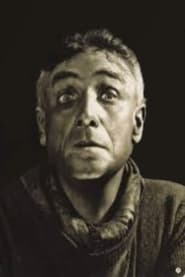
About Séverin-Mars
French actor of the silent film era, best known for his collaborations with director Abel Gance. Born in 1873, he emerged as one of France's most compelling screen actors during the transitional period of World War I cinema. His most celebrated performances came in Gance's masterworks 'The Tenth Symphony' (1918) and the anti-war epic 'J'accuse' (1919), where his intense, theatrical style perfectly captured the dramatic essence of silent film acting. Séverin-Mars brought a profound emotional depth to his roles, utilizing the expressive techniques necessary for non-verbal storytelling in silent cinema. His career, though tragically cut short by his death in 1921 at the age of 48, on French cinematic history. He represented the bridge between theatrical traditions and the emerging art of cinema, helping establish the dramatic vocabulary that would influence silent film performance standards. Despite his brief filmography, his work in Gance's films cemented his legacy as one of early French cinema's most memorable actors.
The Craft
On Screen
Séverin-Mars employed an intensely theatrical and highly expressive acting style characteristic of the silent era, utilizing exaggerated gestures, dramatic facial expressions, and powerful body language to convey emotion without dialogue. His performances were marked by a profound emotional intensity and theatrical gravitas that translated well to the screen, allowing him to portray complex psychological states through purely visual means. He brought a stage-trained technique to his film work, emphasizing grand, sweeping movements and carefully controlled facial expressions that could be read clearly by audiences in large theaters. His style was perfectly suited to the epic, dramatic narratives of Abel Gance's films, where he could showcase his ability to convey deep emotional conflict, romantic passion, and moral anguish through physical performance alone.
Milestones
- Starred in Abel Gance's 'The Tenth Symphony' (1918)
- Delivered powerful performance in 'J'accuse' (1919)
- Became one of France's leading silent film actors
- Collaborated extensively with director Abel Gance
- Helped establish dramatic acting techniques for silent cinema
Best Known For
Iconic Roles
Must-See Films
Accolades
Special Recognition
- Recognized as one of early French cinema's most important actors
- His performances preserved as classics of silent film history
Working Relationships
Worked Often With
Why They Matter
Impact on Culture
Séverin-Mars made a significant cultural impact through his work in two of the most important French films of the silent era, helping establish the dramatic vocabulary of early cinema. His performance in 'J'accuse' was particularly influential, as the film itself became a landmark in anti-war cinema and. By bringing theatrical gravitas to the new medium of film, he helped legitimize cinema as a serious art form capable of conveying complex emotional and philosophical themes. His work demonstrated how silent film could achieve profound artistic expression without dialogue, influencing subsequent generations of actors and filmmakers. Though his career was brief, his contributions helped shape French cinema's artistic identity during its formative years.
Lasting Legacy
Séverin-Mars' legacy endures primarily through his powerful performances in Abel Gance's masterpieces, which continue to be studied and admired by film historians and enthusiasts. He represents the crucial transition from theatrical acting to cinematic performance, embodying how stage techniques could be adapted for the screen while maintaining dramatic intensity. His work in 'J'accuse' remains particularly significant, as the film is frequently cited as one of the greatest achievements of silent cinema and a landmark in anti-war filmmaking. Though he died before the sound era began, his approach to visual storytelling and emotional expression influenced the development of film acting techniques. Today, he is remembered as.
Who They Inspired
Séverin-Mars influenced subsequent generations of actors through his demonstration of how theatrical intensity could be effectively translated to the screen without appearing artificial or overwrought. His work with Abel Gance helped establish a model for director-actor collaboration that emphasized artistic innovation and emotional authenticity. While his direct influence on later actors was limited by his early death and the transition to sound, his performances in Gance's films served as examples of powerful silent film acting that were studied by performers transitioning from stage to screen. His ability to convey complex emotions through purely visual means contributed to the development of the film acting vocabulary that would evolve throughout the 1920s and beyond.
Off Screen
Very little documented information exists about Séverin-Mars' personal life, which was typical for many early film actors whose private details were not extensively recorded. What is known is that he was born in France in 1873 and died relatively young in 1921, cutting short what might have been an even more influential career. His professional relationship with director Abel Gance was clearly significant and productive, though the exact nature of their personal friendship remains largely undocumented. His untimely death at age 48 occurred just as he was reaching the peak of his artistic powers, leaving French cinema without one of its most talented dramatic actors during a crucial period of artistic development.
Did You Know?
- His real name was actually Séverin-Mars, not a stage name
- He died at the relatively young age of 48, cutting short a promising career
- His entire known filmography consists of collaborations with director Abel Gance
- 'J'accuse' (1919) was one of the first major anti-war films in cinema history
- His performance style was typical of the theatrical approach used in early silent films
- The exact date of his birth and death in 1873 and 1921 respectively are not precisely documented
- He worked during
- His films were among the first to demonstrate cinema's potential as a serious artistic medium
- No known photographs or extensive biographical information about him survive beyond his film work
- His collaboration with Gance represented
Frequently Asked Questions
Who was Séverin-Mars?
French actor of the silent film era, best known for his collaborations with on YTB.my. He delivered powerful performances in two landmark films, 'The Tenth Symphony' (1918) and 'J'accuse' (1919), establishing himself as one of France's most compelling dramatic actors before his untimely death in 1921.
What films is Séverin-Mars best known for?
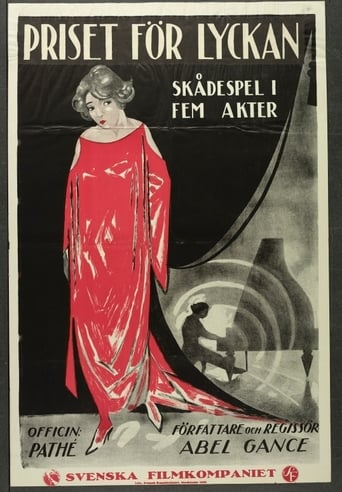
Titles linked here include The Tenth Symphony (1918), J'accuse (1919).
When was Séverin-Mars born and when did he die?
Born 1873; died 1921.
What awards did Séverin-Mars win?
Séverin-Mars did not receive formal awards during his lifetime, as the film industry's award systems were not yet established in the late 1910s and early 1920s. However, his work has been posthumously recognized by film historians as being among the most significant performances in early French cinema, particularly his role in the landmark film 'J'accuse'.
What was Séverin-Mars' acting style?
Séverin-Mars employed a highly theatrical and expressive acting style characteristic of the silent era, using dramatic gestures, intense facial expressions, and powerful body language to convey emotion without dialogue. His performances were marked by emotional intensity and theatrical gravitas that perfectly suited the epic, dramatic narratives of Abel Gance's films.