

The Tenth Symphony
"Symphony born from a hidden past"
Keys: Space play/pause · ←/→ 10s · F fullscreen · M mute · </> speed
About this film
Composer Enrid Damor knows nothing of the past life of his new wife Eve Dinant : she lived as a debauchee with an adventurer, Fred Ryce. Fred Ryce meets Damor's daughter, Claire, and tries to marries her. He blackmails Eve. Enric learns something about her and Fred and composes a.
Cast & crew
More Drama films
View all →






More from Abel Gance
View all →
More about this film
About the production
Release dateNovember 1918 (France)
Box officeUnknown - box office records from 1918 French cinema are not comprehensively documented
ProductionFilm d'Art, Société des Cinéromans
Filmed inParis, France, Studio locations in the Paris region
The film was produced during the final months of World War I, which significantly impacted its production schedule and resources. Abel Gance employed innovative techniques including rapid editing, superimposition, and subjective camera movements to convey the protagonist's psychological state. The symphony sequences were particularly groundbreaking, using visual metaphors and rhythmic editing to translate musical concepts into cinematic language. Production faced challenges due to wartime shortages of film stock and technical personnel.
Themes
Artistic creation and sufferingThe power of music to express emotionBetrayal and redemptionThe conflict between past and presentThe artist's isolation
Themes & topics
composersymphonybetrayalblackmailpast secretsartistic creationfamily dramapsychological dramamusicredemption
Historical background
Exhibitors in 1918 booked The Tenth Symphony through Film d'Art as part of the era's steady flow of new releases.
Why this film matters
Archivists note that The Tenth Symphony preserves period framing of composer enrid damor knows nothing of the past life of his new wife eve dinant : she lived for modern comparison.
Making of
Abel Gance approached 'The Tenth Symphony' with a revolutionary vision for what cinema could achieve as an art form. Working with cinematographers Léonce-Henri Burel and Georges Specht, Gance experimented with techniques that were groundbreaking for 1918. He used rapid montage sequences to represent musical composition, superimposed images to show the protagonist's memories and visions, and mobile camera movements to convey emotional states. The production took place under difficult wartime conditions, with limited resources and the constant threat of German bombardment near Paris. Gance insisted on elaborate sets for the concert hall sequences and commissioned an original musical score that was performed live during screenings. The cast, particularly Séverin-Mars in the lead role, underwent extensive preparation to understand the psychological complexity of their characters. Gance's direction emphasized internal emotion over external action, a radical departure from most films of the period. The film's most challenging sequences involved translating the abstract experience of music into visual terms, requiring innovative editing and special effects techniques that pushed the boundaries of contemporary technology.
What critics said
Trade coverage around 1918 treated The Tenth Symphony as routine program material rather than a special event.
Did you know?
- The Tenth Symphony is widely considered the first major film of the French Impressionist movement, predating other notable works like Carl Dreyer's 'The Parson's Widow' (1920) and Marcel L'Herbier's 'El Dorado' (1921).
- Abel Gance was only 29 years old when he directed this film, yet he already demonstrated the innovative techniques that would later make his 'Napoleon' (1927).
- The film's title refers to the mythical 'unfinished' tenth symphonies of composers like Beethoven and Mahler, symbolizing artistic perfection that can never be fully achieved.
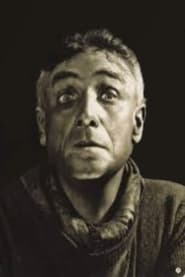
- Séverin-Mars, who played Enrid Damor, was a highly respected stage actor who made relatively few film appearances, making his performance in this particularly significant.
- The musical sequences in the film were revolutionary for their time, using visual techniques like superimposition and rapid montage to represent the experience of hearing and creating music.
- The film was released just days before the Armistice that ended World War I, making it one of the last major French films produced during the war.
- Original prints of the film featured color tinting for emotional effect, particularly in the symphony sequences, though most surviving copies are black and white.
- The film's exploration of an artist's inner life and creative process was unprecedented in cinema at the time, establishing a template for future films about artists and musicians.
- Despite its historical importance, the film was considered lost for decades before fragments and eventually a more complete version were rediscovered in European archives.
- The film's psychological depth and visual innovation influenced numerous directors in the 1920s, including German Expressionist filmmakers who adopted similar techniques for expressing inner states.
Awards & recognition
- No major awards were documented for this film in 1918, as formal film awards ceremonies were not yet established in France
Visual style
The cinematography of The Tenth Symphony, executed by Léonce-Henri Burel and Georges Specht, was revolutionary for its time and established many techniques that would become hallmarks of French Impressionist cinema. The film employed innovative camera movements, including tracking shots and fluid camera work that followed characters' emotional states rather than simply recording action. Gance and his cinematographers used extensive superimposition and double exposure techniques to represent the protagonist's memories, visions, and psychological states. The lighting design was particularly sophisticated, using dramatic contrasts and expressive shadows to convey emotional atmosphere. The film featured some of the earliest examples of subjective point-of-view shots, with the camera representing the protagonist's perspective and emotional state. Rapid montage sequences, particularly in the symphony composition scenes, used rhythmic editing to create a visual equivalent of musical experience. The cinematography also employed innovative focus techniques, including soft focus and rack focus, to emphasize psychological elements over physical reality. Color tinting was used in original prints to enhance emotional impact, particularly in the musical sequences. The visual style was deliberately painterly, with carefully composed frames that resembled impressionist paintings in their use of light and movement to convey feeling rather than objective reality.
Innovations
The Tenth Symphony introduced numerous technical innovations that would influence cinema for decades. The film pioneered the use of rapid montage to represent abstract concepts, particularly in sequences depicting musical composition. Abel Gance developed sophisticated superimposition techniques, layering multiple images to represent psychological states and memories. The film featured some of the earliest examples of subjective camera work, with the camera movement reflecting characters' emotional states rather than objective reality. Gance experimented with unconventional editing rhythms, varying pace to match emotional intensity rather than narrative action. The film also employed innovative focus techniques, including soft focus and selective focus, to emphasize psychological elements. The production used special effects techniques, including multiple exposure and in-camera editing, to create dream sequences and visions. The film's approach to representing music through visual means was groundbreaking, establishing techniques that would be developed further in subsequent musical films. The cinematography employed mobile camera movements that were unusually fluid for the period, including tracking shots and camera movements that followed emotional rather than physical action. The film also experimented with color tinting for emotional effect, particularly in the symphony sequences. These technical innovations were not merely decorative but served the film's psychological themes, demonstrating how technical advances could be used to explore inner reality.
Music
The original musical score for The Tenth Symphony was composed by Michel-Maurice Levy and was performed live during screenings, as was standard practice for major silent films. The score was particularly significant because the film's central theme revolves around musical composition, making the music an integral part of the storytelling rather than mere accompaniment. Levy's composition included original pieces meant to represent Enrid Damor's symphony, with different musical themes corresponding to the film's emotional arcs. The score employed leitmotifs for different characters and emotions, a technique borrowed from Wagnerian opera but adapted for cinema. The music ranged from delicate, intimate pieces for domestic scenes to grand, orchestral passages for the symphony sequences. Unfortunately, the complete original score has not survived intact, though fragments and descriptions remain in archival materials. Modern screenings of restored versions typically feature newly composed scores or reconstructions based on contemporary accounts and musical practices of the period. The film's soundtrack represents an early example of music being used diegetically and non-diegetically to explore the relationship between sound and image in cinema. The innovative approach to integrating music into the narrative influenced subsequent films about musicians and composers.
Famous quotes
Music is the language of the soul when words fail us." - Enrid Damor during the symphony composition sequence
Every note I write is a tear that has found its voice." - Enrid explaining his creative process
The past is a symphony we cannot silence, only learn to conduct." - Eve Dinant reflecting on her secret history
In art, as in life, the most beautiful melodies often come from the deepest pain." - Enrid Damor
Memorable scenes
- The symphony composition sequence where Enrid's anguish is visualized through rapid montage, superimposed images, and rhythmic editing, representing the transformation of personal suffering into artistic creation.
- The confrontation scene where Eve's past is revealed, using flashback sequences and superimposition to show the contrast between her present life and former existence.
- The concert hall finale where the symphony is performed, with the film using visual techniques to represent the music's emotional impact on the audience and characters.
- The blackmail scene where Fred threatens Eve, employing dramatic lighting and camera angles to emphasize the psychological tension and moral conflict.
What audiences thought
Initial audience reception in 1918 was mixed, with some viewers finding the film's innovative techniques and psychological focus challenging compared to more conventional narratives of the period. The film's artistic ambitions and non-traditional storytelling approach required audiences to adapt to new ways of watching and understanding cinema. However, those who appreciated its artistic vision were deeply moved by its emotional power and visual beauty. The film's themes of suffering and redemption resonated particularly strongly with French audiences who had experienced the trauma of World War I. Over time, as audiences became more familiar with cinematic language and techniques, appreciation for the film has grown significantly. Modern audiences, particularly those interested in film history and avant-garde cinema, have responded positively to restored versions of the film. The film now enjoys cult status among cinema enthusiasts and is frequently screened at film festivals and special retrospectives dedicated to classic and avant-garde cinema. Its influence on subsequent filmmaking has ensured that even viewers who haven't seen the original film have experienced its legacy through the many films it inspired.
Film connections
Influenced by
- French Symbolist poetry
- Impressionist painting
- Richard Wagner's concept of Gesamtkunstwerk (total work of art)
- Psychological theories of Sigmund Freud
- The literary tradition of the suffering artist
- French theatrical melodrama
- Classical music traditions
- particularly Beethoven and Mahler
This film influenced
- Napoleon (1927) - also by Abel Gance, developing techniques pioneered here
- The Passion of Joan of Arc (1928) by Carl Dreyer
- Un Chien Andalou (1929) by Luis Buñuel and Salvador Dalí
- The Cabinet of Dr. Caligari (1920) - German Expressionist films adopted similar psychological techniques
- The Last Laugh (1924) by F.W. Murnau
- Man with a Movie Camera (1929) by Dziga Vertov
Film restoration
The film was considered partially lost for many decades, with only fragments surviving in various archives. However, a more complete version was discovered and restored in the late 20th century through the combined efforts of French film archives, particularly the Cinémathèque Française. The restored version, while not absolutely complete, represents the most comprehensive version available and includes many of the film's most innovative sequences. Some original color tinting has been reconstructed based on contemporary descriptions and surviving elements. The restoration work has been ongoing, with additional materials occasionally discovered in international archives. The film is now preserved in several major film archives and has been made available through specialized cinema institutions and occasional home video releases dedicated to classic cinema.
Where to watch
- Available through the Cinémathèque Française archive and special screenings
- Occasionally shown at film festivals specializing in classic and avant-garde cinema
- Some restored versions available through specialized DVD/Blu-ray releases from companies like Flicker Alley or Kino Lorber
- Accessible through certain university film studies programs and cinema archives
- Available on some streaming platforms specializing in classic cinema, though availability varies by region