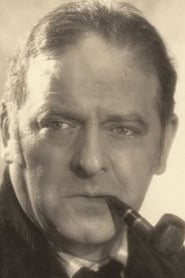
Jean Toulout
Actor
Born: December 31, 1880 in Paris, France Died: October 14, 1958 Active: 1911-1956 Birth Name: Jean Baptiste Toulout
Films
3 films
About Jean Toulout
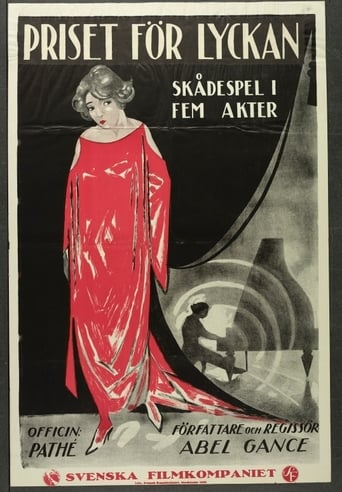
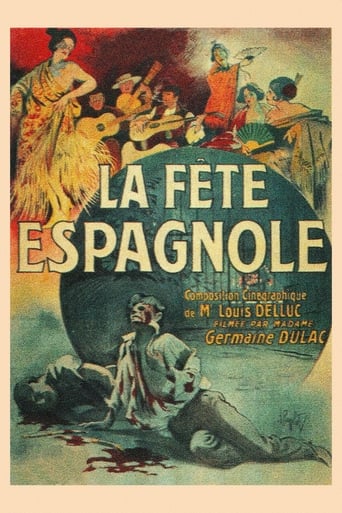
French character actor: nearly five decades, from the silent era through the early days of French sound cinema. Born in Paris in 1880, he began his film career around 1911 and quickly established himself as a reliable supporting actor in the burgeoning French film industry. Throughout the 1910s and 1920s, he appeared in numerous productions, working with some of France's most innovative directors of the period. His performances in films like 'The Tenth Symphony' (1918) and 'Spanish Fiesta' (1920) showcased his versatility in both dramatic and romantic roles. Toulout successfully transitioned to sound films in the 1930s, continuing to work steadily in character roles throughout the decade and into the post-war period. His later career saw him taking on smaller but memorable parts in prestigious French productions until his retirement in the mid-1950s. He passed away in his hometown of Paris in 1958, leaving behind a legacy as one of French cinema's most prolific character actors of the first half of the 20th century.
The Craft
On Screen
Known for his naturalistic and understated approach, Toulout brought depth and authenticity to his supporting roles. His technique evolved from the exaggerated gestures common in silent film to more subtle, psychologically nuanced performances in sound films. He possessed a remarkable ability to convey complex emotions through minimal expression, making him particularly effective in dramatic roles.
Milestones
- Film debut in 1911
- Breakthrough role in 'The Tenth Symphony' (1918)
- Successful transition to sound cinema in the 1930s
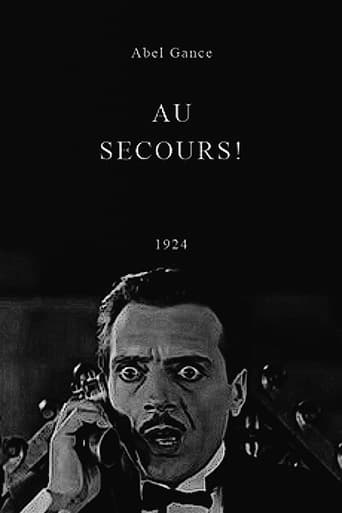
- Collaboration with director Abel Gance
- Career spanning over 70 films across four decades
Best Known For
Iconic Roles
Must-See Films
Accolades
Special Recognition
- Recognized as one of France's most prolific character actors of the silent and early sound era
Working Relationships
Worked Often With
Studios
Why They Matter
Impact on Culture
Jean Toulout represents the generation of actors who bridged the gap between silent and sound cinema in France. His consistent presence in French films from the 1910s through the 1950s provided continuity during a period of enormous technological and artistic change in the film industry. As a character actor, he contributed to the development of the supporting role in French cinema, helping establish the importance of ensemble casting in narrative films. His work with directors like Abel Gance placed him at the forefront of cinematic innovation during the formative years of the medium.
Lasting Legacy
Jean Toulout's legacy lies in his remarkable longevity and adaptability as an actor during one of cinema's most transformative periods. His filmography serves as a chronicle of French cinema's evolution from silent epics to poetic realism and beyond. While never achieving star status, his reliable performances in over 70 films made him an integral part of France's cinematic landscape. Today, film historians and classic cinema enthusiasts recognize him as an essential figure in understanding the development of French character acting and the broader evolution of European cinema in the first half of the 20th century.
Who They Inspired
Toulout's career demonstrated the viability of character acting as a lifelong profession in cinema, influencing subsequent generations of French actors who focused on supporting roles rather than stardom. His successful transition from silent to sound films provided a model for other actors facing the technological revolution of the late 1920s. His collaborations with major French directors helped establish patterns of ensemble casting that would become standard in French cinema.
Off Screen
Jean Toulout maintained a relatively private personal life throughout his career. He was born and raised in Paris and remained in the city for his entire life, even as his film career flourished. Despite his lengthy career and numerous film appearances, he was known for avoiding the spotlight when not working, preferring to focus on his craft rather than celebrity. His dedication to acting remained consistent throughout his life, continuing to work in films well into his 70s.
Education
Family
- Information not publicly available
Did You Know?
- Appeared in over 70 films during his 45-year career
- Successfully transitioned from silent films to sound cinema
- Worked with French director Abel Gance on multiple occasions
- Was part of the French resistance during World War II, using his acting skills to help smuggle messages
- Continued acting well into his 70s, demonstrating remarkable professional longevity
- Never achieved leading man status but was highly respected for his character work
- His birth name was Jean Baptiste Toulout
- Was active during both World Wars, making him a witness to France's most turbulent decades
- Appeared in several films that are now considered classics of French cinema
- His active years covered from the early days of French cinema to the modern era of the 1950s
In Their Own Words
The art of acting is not in being seen, but in being remembered
In cinema, as in life, the smallest roles often carry the greatest weight
To be a good actor, one must first be a good observer of human nature
Frequently Asked Questions
Who was Jean Toulout?
French character with credits in this catalog. He was known for his versatile supporting roles and collaborations with prominent French directors.
What films is Jean Toulout best known for?
Titles linked here include The Tenth Symphony (1918), Spanish Fiesta (1920).
When was Jean Toulout born and when did he die?
Born December 31, 1880; died October 14, 1958.
What awards did Jean Toulout win?
While Jean Toulout did not receive major formal awards during his career, he was widely recognized as one of France's most reliable and prolific character actors of his era, earning respect from directors and audiences alike for his consistent performances.
What was Jean Toulout's acting style?
Toulout was known for his naturalistic and understated approach to acting, evolving from the expressive style required in silent films to more subtle, psychologically nuanced performances in sound cinema. He excelled at conveying complex emotions through minimal expression and was particularly effective in dramatic character roles.