
Films
2 films
About Elizabeth Nizan
French actress who had a brief but notable career during the silent film era, appearing in two significant French productions in the late 1910s. Her filmography, though limited, includes work with prominent directors of the time, most notably Abel Gance's anti-war masterpiece 'J'accuse' in 1919. Her role in 'The Tenth Symphony' (1918) also positioned her within the French avant-garde cinema movement of the period. Like many actors of the silent era, her career appears to have been concentrated in a very specific timeframe, with her known work spanning only 1918-1919. The historical record for Elizabeth Nizan is notably sparse, which was not uncommon for supporting actors in early cinema whose contributions were often inadequately documented. Her participation in these historically significant films, however, ensures her place in the annals of French cinema history, even if her personal story remains largely untold.
The Craft
Milestones
- Appeared in Abel Gance's landmark film 'J'accuse' (1919)
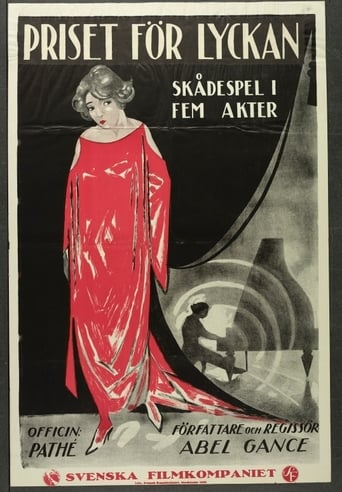
- Acted in 'The Tenth Symphony' (1918) during the French silent film era
Best Known For
Must-See Films
Working Relationships
Worked Often With
Why They Matter
Impact on Culture
Elizabeth Nizan's cultural impact, while not widely documented, is tied to her participation in two significant French silent films. 'J'accuse' (1919) is considered. Her contribution to these films places her within the context of early French cinema's golden age, even if her individual role was not leading. The preservation of these films ensures that her performances, however brief, remain part of cinema's historical legacy.
Lasting Legacy
Elizabeth Nizan's legacy is preserved through her appearances in historically significant French silent films. While she may not have achieved the lasting fame of leading actors of her era, her participation in 'J'accuse' ensures her place in film history as part of one of cinema's most important anti-war statements. The film itself has been studied and analyzed for decades, and all cast members, including Nizan, are recognized as contributors to this cinematic milestone. Her brief career represents the typical trajectory of many supporting actors in early cinema whose work, though important, was often overshadowed by the films' directors and leading stars.
Who They Inspired
Due to the limited documentation of Elizabeth Nizan's career and the brevity of her filmography, there is little evidence of her direct influence on other actors or filmmakers. However, her participation in innovative French cinema of the late 1910s places her within a movement that would influence generations of filmmakers to come. The films she appeared in, particularly 'J'accuse,' were technically and artistically groundbreaking, and all contributors to such works played a role in advancing the art of cinema, even if their individual influences cannot be specifically traced.
Off Screen
Very little information is available about Elizabeth Nizan's personal life, which is typical for many supporting actors from the silent era whose biographical details were not extensively documented in historical records.
Did You Know?
- Elizabeth Nizan's entire known filmography consists of only two films from 1918-1919
- She appeared in Abel Gance's 'J'accuse,'
- Like many actors from the silent era, detailed biographical information about her is scarce
- Both of her known films were French productions
- Her career coincided with the final years of World War I and its immediate aftermath
- The limited documentation of her career is typical for supporting actors in early cinema
Frequently Asked Questions
Who was Elizabeth Nizan?
French actress active during the silent film era, known for appearing in two significant French films in 1918 and 1919, including Abel Gance's acclaimed 'J'accuse'.
What films is Elizabeth Nizan best known for?
Titles linked here include J'accuse (1919), The Tenth Symphony (1918).
When was Elizabeth Nizan born and when did she die?
Specific birth and death dates for Elizabeth Nizan are not documented in available historical records, which is common for many supporting actors from the silent era.
What awards did Elizabeth Nizan win?
There are no documented awards or nominations for Elizabeth Nizan, as formal acting awards were not established during her brief career in the late 1910s.
What was Elizabeth Nizan's acting style?
Due to the limited documentation of her career and the loss of many films from this era, specific details about Elizabeth Nizan's acting style are not available in historical records.