
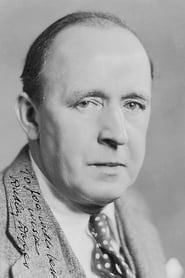
Dudley Digges
Actor
Born: June 9, 1879 in Dublin, Ireland Died: October 24, 1947 Active: 1910-1947
Films
2 films
About Dudley Digges
Irish-American actor: both the stage and screen during the early decades of cinema. Born in Dublin in 1879, he began his acting career in Irish theater before emigrating to the United States, where he established himself as a prominent Broadway performer. Digges successfully transitioned to films in the early 1930s, bringing his theatrical gravitas and commanding presence to the emerging medium of talkies. His deep, resonant voice and authoritative demeanor made him particularly effective in roles of authority, including doctors, judges, and aristocratic figures. Throughout his film career, he appeared in numerous prestigious productions, working alongside some of the biggest stars of the Golden Age. Despite his relatively short film career, Digges on 1930s cinema with his memorable character performances. He continued acting until his death in 1947, leaving behind a legacy of nuanced performances that bridged the gap between theatrical tradition and cinematic naturalism.
The Craft
On Screen
Digges was known for his theatrical gravitas and commanding screen presence, bringing a classical stage technique to his film performances. His deep, resonant voice and precise diction made him particularly effective in the early sound era. He specialized in portraying authority figures with a mixture of sternness and underlying humanity, often bringing depth to relatively minor roles. His acting style combined the formal delivery of his theatrical training with the growing naturalism of 1930s cinema.
Milestones
- Successful Broadway career before transitioning to films
- Breakthrough film role in The Emperor Jones (1933)
- Memorable performance in The Invisible Man (1933)
- Key supporting role in Imitation of Life (1934)
- Appeared in The Adventures of Robin Hood (1938)
- Stage performances at the Abbey Theatre in Dublin
- Worked with prominent directors like James Whale and Michael Curtiz
Best Known For
Iconic Roles
Must-See Films
Accolades
Special Recognition
- Broadway Walk of Fame recognition for theatrical contributions
Working Relationships
Worked Often With
Studios
Why They Matter
Impact on Culture
Dudley Digges played a significant role in the transition from silent films to talkies, bringing theatrical legitimacy to early sound cinema. His performances helped establish the archetype of the dignified character actor that would become a staple of Golden Age Hollywood. As an Irish actor who found success in American cinema, he contributed to the cultural exchange between European theatrical traditions and American filmmaking. His work in films like The Emperor Jones also contributed to early Hollywood's exploration of racial themes, albeit within the limitations of the era.
Lasting Legacy
Dudley Digges' legacy lies in his contribution to the art of character acting during a crucial period in cinema history. He represents the generation of classically trained actors who successfully adapted their stage skills to the new medium of sound film. His performances continue to be studied for their technical precision and emotional depth, serving as examples of how theatrical technique could enhance rather than hinder cinematic naturalism. Many of his films remain classics, ensuring that his work continues to be seen and appreciated by new generations of film enthusiasts.
Who They Inspired
Digges influenced subsequent generations of character actors by demonstrating how theatrical training could be effectively adapted to film. His precise diction and authoritative presence set standards for supporting roles in early sound cinema. Younger actors who worked with him often cited his professionalism and technical skill as inspiration. His success paved the way for other classically trained actors from theater backgrounds to find success in Hollywood.
Off Screen
Dudley Digges maintained a relatively private personal life despite his public career. He married early in his adult life and remained devoted to his family throughout his career. After establishing himself in American theater, he became a naturalized U.S. Citizen while maintaining strong ties to his Irish heritage. His death in 1947 marked the end of a career that had successfully bridged two theatrical traditions and two countries.
Education
Educated in Dublin schools with early theatrical training at the Abbey Theatre
Family
- Margaret Digges (married 1905-1947)
Did You Know?
- Was a member of the original company at Dublin's Abbey Theatre
- Spoke fluent Irish Gaelic
- Was one of the few actors to successfully transition from Irish stage to Hollywood films
- Often played doctors and authority figures due to his appearance and voice
- Appeared in over 50 films during his 15-year Hollywood career
- Was a close friend of fellow Irish actor Barry Fitzgerald
- Continued performing on Broadway even after achieving film success
- Was known for his meticulous preparation for even small roles
- His final film appearance was in The Lost Weekend (1945)
- Was considered for the role of Professor Van Helsing in Dracula (1931)
In Their Own Words
The stage is our mother, but film is our future - we must learn to speak both languages
Every character, no matter how small, deserves the truth of the actor's craft
The voice is the instrument of the soul in sound pictures
I came to America with nothing but my training and left with a career beyond my dreams
Frequently Asked Questions
Who was Dudley Digges?
Irish-American character with credits in this catalog. He was particularly active in Hollywood during the 1930s, appearing in numerous classic films and known for his authoritative presence and deep voice.
What films is Dudley Digges best known for?
Titles linked here include The Emperor Jones (1933), The Invisible Man (1933).
When was Dudley Digges born and when did he die?
Born June 9, 1879; died October 24, 1947.
What awards did Dudley Digges win?
While Dudley Digges did not receive major film awards during his career, he was recognized for his contributions to theater with a place on the Broadway Walk of Fame. His legacy is primarily remembered through his influential film performances rather than formal accolades.
What was Dudley Digges' acting style?
Digges brought classical theatrical training to his film performances, characterized by precise diction, commanding presence, and emotional depth. He specialized in playing authority figures and was particularly effective in the early sound era due to his resonant voice and technical skill.
How did Dudley Digges influence cinema?
Digges helped bridge the gap between theatrical tradition and cinematic naturalism during the crucial transition to sound films. He demonstrated how classically trained actors could successfully adapt their skills to the new medium, setting standards for character acting in early Hollywood.
What was Dudley Digges' connection to Irish theater?
Before his Hollywood career, Digges — member of the original company at Dublin's prestigious Abbey Theatre, where he worked with W.B. Yeats and Lady Gregory. This Irish theatrical foundation heavily influenced his acting style and approach to character development throughout his career.