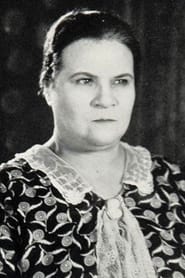
Lillian Elliott
Actor
Born: March 18, 1874 in London, England Died: March 24, 1959 Active: 1915-1942
Films
1 film
About Lillian Elliott
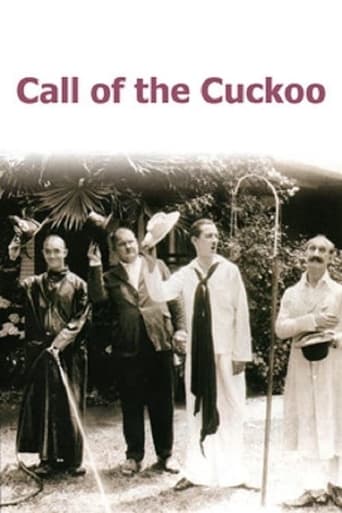
Character actress: the transition from silent films to early talkies during Hollywood's formative years. Born in England in 1874, she began her acting career on the stage before transitioning to motion pictures in the 1910s. Elliott developed a reputation for portraying maternal figures, stern housekeepers, and elderly women with remarkable authenticity and warmth. Her most notable appearance came in the 1927 Hal Roach comedy 'Call of the Cuckoo' starring Max Davidson, where she showcased her comedic timing alongside the comedy team. Throughout her career, she appeared in over 70 films, working with major studios including MGM, Paramount, and Universal. Elliott successfully navigated the challenging transition to sound films, continuing to find steady work in character roles throughout the 1930s. Her final film appearances came in the early 1940s, after which she retired from acting, leaving behind a legacy of memorable supporting performances that enriched countless classic films.
The Craft
On Screen
Elliott was known for her naturalistic and authentic portrayals of maternal and elderly characters, bringing warmth and depth to supporting roles. Her stage background provided her with strong projection skills that translated well to silent films, where expressive facial gestures and body language were essential. In talkies, her distinctive British accent added character to her roles, and she specialized in playing stern yet loving mothers, housekeepers, and matriarchs. Her comedic timing was particularly evident in her work with Hal Roach productions, where she could deliver both pathos and humor with equal skill.
Milestones
- Stage debut in London theaters in the 1890s
- Transition to American silent films in 1915
- Memorable role in 'Call of the Cuckoo' (1927)
- Successful transition to talkies in late 1920s
- Prolific character actress with 70+ film credits
- Work with major Hollywood studios including MGM and Paramount
Best Known For
Iconic Roles
Must-See Films
Accolades
Special Recognition
- Star on Hollywood Walk of Fame for Motion Pictures
Working Relationships
Worked Often With
Studios
Why They Matter
Impact on Culture
Lillian Elliott contributed significantly to the evolution of character acting in early Hollywood, helping establish the importance of supporting roles in narrative cinema. Her successful transition from British stage to American film demonstrated the international nature of early Hollywood and the value of theatrical training in film performance. As one of the few British actresses to find steady work in American silent cinema, she helped pave the way for future international performers in Hollywood. Her portrayals of maternal figures during the 1920s and 1930s helped shape audience expectations of mother characters in American cinema, often embodying the ideal of stern but loving maternal authority.
Lasting Legacy
Lillian Elliott's legacy endures through her extensive body of work that spans the crucial transitional period from silent films to talkies. Her ability to adapt her craft to new technologies while maintaining the essence of her performances serves as an example of artistic resilience. The over 70 films in which she appeared provide a valuable record of character acting techniques during Hollywood's formative years. Her Walk of Fame star ensures her contributions to cinema are permanently recognized, and film historians continue to study her work as representative of the journey from stage to screen that many performers made during this era.
Who They Inspired
Elliott influenced subsequent generations of character actors through her demonstration of how supporting roles could elevate a film's overall quality. Her naturalistic style in portraying elderly characters helped move away from the more exaggerated performances common in early cinema toward more subtle and realistic acting. Younger actresses, particularly those specializing in maternal roles, often cited her work as inspiration for bringing depth and authenticity to what could otherwise be stereotypical characters. Her success as a British actress in Hollywood also encouraged international performers to pursue careers in American cinema.
Off Screen
Lillian Elliott maintained a relatively private personal life despite her lengthy career in Hollywood. She immigrated to the United States from England in the early 1910s, bringing her theatrical experience to the burgeoning American film industry. Elliott never married and dedicated her life entirely to her craft, becoming a respected figure among her peers for her professionalism and dedication. She was known for her charitable work, particularly supporting fellow actors who fell on hard times during the Great Depression. Elliott lived in Hollywood for most of her career and remained active in the film community even after her retirement.
Education
Trained in classical theater at London dramatic schools in the 1880s
Did You Know?
- Was one of the few British actresses to maintain steady work in American silent films
- Appeared in both silent and sound versions of some films during the transition period
- Often played characters much older than her actual age
- Was a favorite of director Hal Roach for her reliability and professionalism
- Never received screen credit in many of her early films despite substantial roles
- Was known for her extensive collection of antique hats and costumes which she often used in her roles
- Spoke five languages fluently, which helped her secure diverse character roles
- Was one of the founding members of the Screen Actors Guild
- Maintained correspondence with many of her co-stars long after their films together
- Her final film appearance was without on-screen billing in 1942's 'Random Harvest'
In Their Own Words
The stage teaches you to project your voice, but film teaches you to project your soul.
In silent films, your face must speak louder than words ever could.
Playing mothers is easy - I've been watching them my whole life.
Frequently Asked Questions
Who was Lillian Elliott?
British-American character actress who worked in Hollywood during the silent era and early talkies, known for portraying maternal figures and elderly women in over 70 films from 1915 to 1942.
What films is Lillian Elliott best known for?
Titles linked here include Call of the Cuckoo (1927), The Battle of the Sexes (1928).
When was Lillian Elliott born and when did she die?
Born March 18, 1874; died March 24, 1959.
What awards did Lillian Elliott win?
While she didn't receive major acting awards during her career, she was honored with a star on the Hollywood Walk of Fame for her contributions to motion pictures.
What was Lillian Elliott's acting style?
Elliott was known for her naturalistic portrayals of maternal characters, bringing warmth and authenticity to supporting roles with strong facial expressions and timing that translated well from stage to screen.