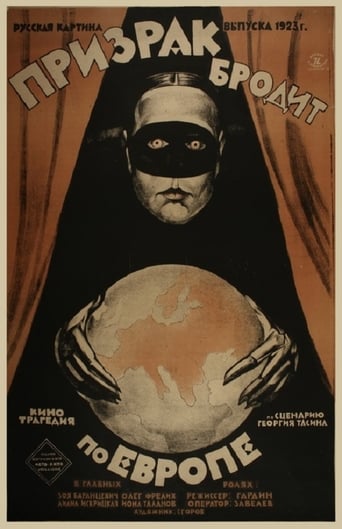
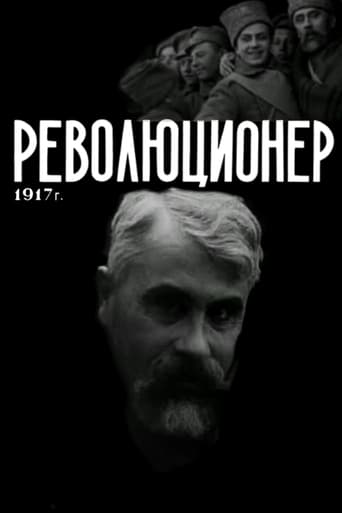
Films
2 films
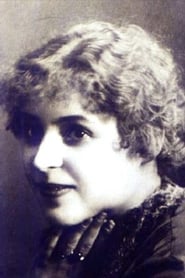
About Zoya Barantsevich
Russian actress who emerged during the revolutionary period of early Soviet cinema, working primarily in the silent film era from 1917 to 1923. Her career coincided with the dramatic transformation of Russian society and the birth of Soviet cinema, making her part of the first generation of film actors in the new Soviet state. Zoya appears in films that reflected the revolutionary themes and ideological concerns of the time, including 'A Revolutionary' (1917) which was produced during the actual Russian Revolution. Her performance in 'A Spectre Haunts Europe' (1923) demonstrated her continued involvement in Soviet cinema during its formative years. Like many actors of this period, her filmography was relatively brief, as the Soviet film industry was still developing its infrastructure and artistic identity. Barantsevich represents the generation of actresses who helped establish the foundation for Soviet cinema's future golden age.
The Craft
On Screen
As a silent film actress in revolutionary cinema, Barantsevich likely employed the exaggerated gestural and facial expression techniques typical of the era, combined with the dramatic intensity required for politically charged Soviet films of the period.
Milestones
- Appeared in 'A Revolutionary' (1917) during the Russian Revolution
- Starred in 'A Spectre Haunts Europe' (1923) in early Soviet cinema
- Participated in the formative years of Soviet film industry
Best Known For
Iconic Roles
Must-See Films
Working Relationships
Studios
Why They Matter
Impact on Culture
Zoya Barantsevich contributed to the foundational period of Soviet cinema, appearing in films that helped establish the visual and thematic language of revolutionary filmmaking. Her work in 'A Revolutionary' (1917) placed her at the intersection of art and history, as she performed during the actual Russian Revolution. These early Soviet films, featuring actors like Barantsevich, were instrumental in developing cinema as a tool for political education and social transformation in the new Soviet state. Though her career was brief, her participation in these formative years represents the important contribution of actors who helped legitimize cinema as both art and propaganda in Soviet society.
Lasting Legacy
Zoya Barantsevich's legacy lies in her role as one of the early actresses who helped establish Soviet cinema during its most formative period. While not as well-remembered as later Soviet stars, her work in revolutionary-themed films represents the foundation upon which the golden age of Soviet cinema would be built. Her filmography, though brief, serves as a valuable historical record of early Soviet filmmaking techniques and thematic concerns. The preservation of her films provides modern scholars and cinema enthusiasts with insight into the artistic and political priorities of early Soviet cultural production.
Who They Inspired
As an early Soviet film actress, Barantsevich was part of the generation that established acting conventions for revolutionary cinema, influencing subsequent generations of Soviet actors who would work in politically charged films. Her performances helped demonstrate how cinema could effectively communicate revolutionary ideals and emotions through the medium of silent film.
Off Screen
Very little is documented about Zoya Barantsevich's personal life, which is common for many early Soviet film actors whose records were not extensively preserved during the tumultuous early years of the Soviet Union.
Did You Know?
- Her film 'A Revolutionary' (1917) was produced during the actual Russian Revolution
- She worked exclusively during the silent film era in Soviet Russia
- Her active years covered only 6 years, typical for many early film actors
- Both of her known films had political and revolutionary themes
- She represents the first generation of Soviet film actresses
- Her film 'A Spectre Haunts Europe' (1923) reflects early Soviet concerns about international revolution
- Like many early Soviet actors, detailed biographical information about her is scarce
- Her work coincided with the nationalization of the Russian film industry in 1919
Frequently Asked Questions
Who was Zoya Barantsevich?
Russian actress who worked in early Soviet cinema during the silent film era, appearing in revolutionary-themed films between 1917 and 1923.
What films is Zoya Barantsevich best known for?
Titles linked here include A Revolutionary (1917), A Spectre Haunts Europe (1923).
When was Zoya Barantsevich active in film?
Zoya Barantsevich was active as an actress from 1917 to 1923, working exclusively during the silent film era and the formative years of Soviet cinema.
What was the significance of Zoya Barantsevich's films?
Her films were significant as they were produced during the Russian Revolution and early Soviet period, helping establish cinema as a medium for revolutionary themes and political education.
Why is there limited information about Zoya Barantsevich?
Detailed information about many early Soviet actors is scarce due to the tumultuous political conditions of the time, limited record-keeping, and the fact that she had a relatively brief career during cinema's formative years in Russia.