Films
1 film
About Wanda McKay
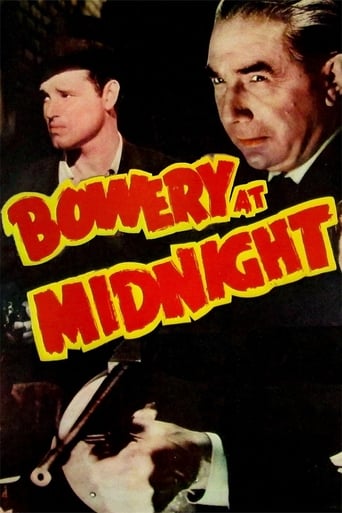
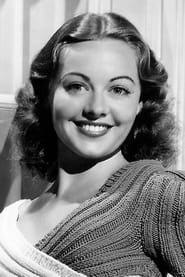
American actress of the early 1940s who worked in both feature films and serials during the studio era. She is best remembered by classic-cinema fans for her appearance in the low-budget horror film "Bowery at Midnight" (1942), where she was part of the ensemble cast surrounding Bela Lugosi. McKay's screen career was brief and concentrated in the wartime years, a period when many young performers were signed for supporting roles in B-pictures, programmers, and genre films. Like many studio-era actresses whose careers did not extend into the star-making machinery of the major studios, she left behind a modest but notable footprint in film history rather than a long list of leading roles. Her surviving screen legacy is tied mainly to cult and genre cinema, especially the small cycle of horror and crime films that continue to attract classic-movie enthusiasts. Biographical documentation on her private life is limited in readily available sources, which is common for performers whose work was largely confined to minor studio productions. Because of that, Wanda McKay is remembered less for celebrity than for her place in the fabric of early-1940s Hollywood character acting.
The Craft
On Screen
There is limited surviving critical commentary on Wanda McKay's individual technique, but her screen work fits the streamlined, efficient style common to supporting players in low-budget studio productions. Her performance style appears to have been natural, straightforward, and serviceable to the needs of quick-turnaround genre filmmaking rather than overtly theatrical or star-centered. In films like "Bowery at Midnight," actors were expected to convey character quickly and clearly, and McKay's work reflects that practical B-movie approach.
Milestones
- Appeared in the cult horror film "Bowery at Midnight" (1942), now remembered as her best-known screen credit
- Worked during the classic studio era in the wartime B-picture environment, where many young performers gained short but visible film careers
- Became part of the historical record of early-1940s genre cinema through association with Bela Lugosi pictures
Best Known For
Iconic Roles
Must-See Films
Working Relationships
Worked Often With
Studios
Why They Matter
Impact on Culture
Wanda McKay's cultural impact is modest but meaningful within the context of classic horror and cult film history. Performers like McKay helped populate the low-budget genre pictures that kept studios producing suspense, crime, and horror entertainment during the early 1940s, particularly when audiences were receptive to escapist material. Her presence in "Bowery at Midnight" connects her to the long afterlife of Bela Lugosi cinema, where even small supporting performances gain renewed attention from horror historians and fans. While she was not a star of the first rank, her work represents the many under-credited performers whose screen appearances helped define the texture of studio-era filmmaking.
Lasting Legacy
Wanda McKay's legacy rests primarily on preservation and rediscovery rather than fame from her own era. Film historians and genre enthusiasts often revisit performers like McKay because their short filmographies illuminate how Hollywood's lower tiers operated, especially in poverty-row and minor studio productions. Her surviving credit in "Bowery at Midnight" ensures that she remains part of the historical conversation around 1940s horror cinema and Bela Lugosi's late career. In the broader history of classic film, she stands as an example of the many actresses whose contributions were brief but still essential to the era's industrial output.
Who They Inspired
There is no strong evidence that Wanda McKay directly influenced major stars or filmmakers in a documented way. Her broader influence is indirect: by participating in the ensemble system of classic Hollywood, she contributed to the professional model that later character actors and genre performers would continue to follow. Her screen presence survives as part of the archival record that helps modern audiences understand how supporting roles functioned in B-movie storytelling.
Off Screen
Publicly available information about Wanda McKay's personal life is sparse, and reliable widely cited biographical sources do not provide much detail about marriages, family, or later life. She appears to have maintained a private profile outside of her brief screen work, which is typical of many minor studio-era players whose careers did not extend into higher-profile publicity campaigns. No well-documented controversies or major public events are commonly associated with her name in standard film references.
Did You Know?
- Wanda McKay is best remembered by modern audiences for a single surviving cult favorite rather than for a long career in major studio productions.
- Her most notable film, "Bowery at Midnight," is a Bela Lugosi vehicle that has developed a following among horror fans and historians.
- Her career appears to have been concentrated entirely in 1942, making her filmography unusually brief.
- Like many minor players of the studio era, she is documented far less thoroughly than major stars, which makes her something of a classic-Hollywood mystery figure.
- Her name is often encountered in casts of vintage horror and B-picture databases because of collectors' and fans' interest in obscure studio-era performers.
- Because reliable biographical records are scarce, she is one of many early-1940s actresses whose private life remains largely undocumented in mainstream references.
Frequently Asked Questions
Who was Wanda McKay?
American actress best known for appearing in the 1942 horror film "Bowery at Midnight." Her career was brief and centered on early-1940s studio-era genre films, which is why she is remembered mainly by classic-horror enthusiasts.
What films is Wanda McKay best known for?
Titles linked here include "Bowery at Midnight" (1942).
When was Wanda McKay born and when did she die?
Reliable widely available reference sources do not consistently provide verified birth and death details for Wanda McKay. Because of that, her exact birth and death dates are listed as unknown here rather than guessed.
What awards did Wanda McKay win?
No major awards or nominations are widely documented for Wanda McKay in the standard film references available for classic cinema personalities. She is primarily remembered for her screen appearance in a cult genre film rather than for industry honors.
What was Wanda McKay's acting style?
Her surviving work suggests a straightforward, efficient acting style typical of supporting players in low-budget 1940s films. She appears to have fit the needs of quick-paced B-movie production, where clarity and economy of expression were especially important.
What is Wanda McKay's legacy in film history?
Her legacy lies in her role as part of the supporting cast tradition that powered classic Hollywood's genre cinema. While she was not a major star, her preserved screen work gives historians and fans a glimpse into the ensemble world of 1940s horror and crime films.