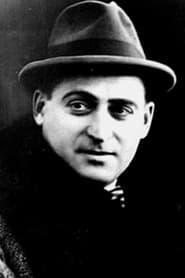
Joe May
Director
Born: July 7, 1880 in Vienna, Austria-Hungary Died: April 29, 1954 Active: 1915-1954 Birth Name: Julius Otto Mandl
Films
2 films
About Joe May
Joe May was directors and producers of German silent cinema, especially noted for his large-scale, visually ambitious melodramas and adventure films. Born Julius Otto Mandl in Vienna, he began his career in the theater before moving into film, where he quickly became known for his flair for spectacle, pacing, and atmospheric mise-en-scène. During the 1910s and early 1920s he emerged as a major figure in the German film industry, directing works that helped define the grand style of Weimar-era popular cinema, including the serial adventure The Indian Tomb and the melodramatic Hilde Warren and Death. May also ran his own production operations and was associated with epic productions that demanded elaborate sets, exotic settings, and strong visual storytelling, making him a key architect of the medium's early international prestige. In the 1920s and early 1930s he continued to direct major films, and his career later intersected with the movement of German filmmakers into Hollywood and exile-era filmmaking after the rise of Nazism. He died in exile in Hollywood, leaving behind a body of work that is still remembered for its scale, dramatic intensity, and technical sophistication. His influence is felt not only in German silent film history but also in the broader evolution of the adventure and melodrama genres.
The Craft
Behind the Camera
Joe May's directing style was marked by spectacle, visual density, and a strong sense of narrative propulsion. He favored elaborate production design, carefully staged compositions, and emotionally heightened storytelling that could support both intimate melodrama and large-scale adventure. In silent cinema especially, he relied on expressive imagery, stylized settings, and a polished studio look to give his films a sense of grandeur and momentum. His work often balanced popular entertainment with a serious craftsmanship that made his films stand out among contemporaneous commercial productions.
Milestones
- Became a major force in German silent cinema as both director and producer during the 1910s and 1920s
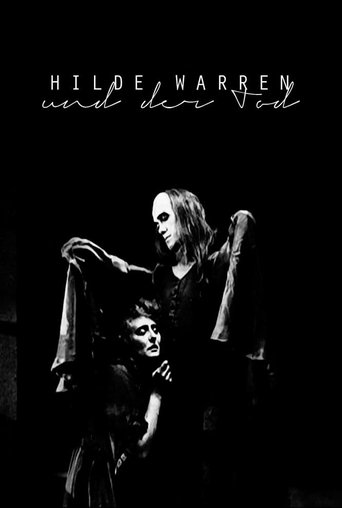
- Directed Hilde Warren and Death (1917), an admired early melodrama noted for its visual sensitivity and psychological seriousness
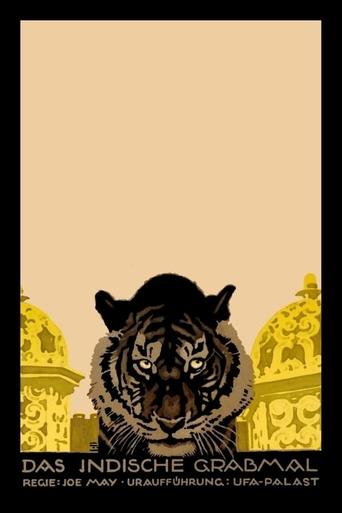
- Created the two-part adventure epic The Indian Tomb (1921), one of the emblematic spectacle films of Weimar-era cinema
- Established a reputation for large-scale productions with elaborate sets, exotic settings, and strong narrative momentum
- Helped shape the prestige adventure and melodrama traditions that became central to German popular film production
- Continued directing through the transition to sound cinema and remained active into the 1930s and 1940s after emigration
- Worked in exile-era and Hollywood-connected contexts after fleeing Nazi Germany
Best Known For
Must-See Films
Working Relationships
Worked Often With
Studios
Why They Matter
Impact on Culture
Foundational figure in the development of German spectacle cinema, helping establish the scale and polish associated with the country's silent-era commercial productions. His adventure films and melodramas demonstrated that German cinema could compete internationally in ambition and technical sophistication, influencing the look and feel of later popular genre filmmaking. Through works like The Indian Tomb, he contributed to the fascination with exoticized settings and serial-style storytelling that became a notable part of Weimar cinema's exportable appeal. His career also illustrates the broader migration and disruption of German filmmakers during the Nazi period, making him an important figure in transnational film history as well as national cinema history.
Lasting Legacy
Joe May's lasting legacy rests on his role as one of the architects of German silent-era spectacle and melodrama. He helped define a production model in which visual richness, elaborate design, and emotionally charged narrative could coexist in commercially successful films. Even though some of his work is less widely remembered today than that of his more famous contemporaries, film historians recognize him as a key precursor to the grand adventure and studio-bound epics that followed in European cinema. His career also serves as a vital link between early German cinema, the Weimar film industry, and the displacement of filmmakers under Nazism. For scholars of silent film, May remains an essential name in understanding how German cinema developed industrially and aesthetically in the 1910s and 1920s.
Who They Inspired
May influenced later directors working in adventure cinema, melodrama, and large-scale studio production by proving that ambitious visual storytelling could be achieved within the silent medium. His emphasis on production design, atmosphere, and narrative spectacle helped shape expectations for German commercial cinema and indirectly informed the international reputation of Weimar filmmaking. He also contributed to a professional culture that valued detailed visual planning and technical polish, traits that became hallmarks of later German and European genre film. As part of the generation of filmmakers displaced by the Nazi regime, he is also significant in the transatlantic flow of talent that affected both European and American film production.
Off Screen
Joe May was born Julius Otto Mandl in Vienna and later adopted the professional name Joe May. He was married to actress Mia May, who appeared in several of his productions and was one of the prominent stars associated with his filmmaking career. Their daughter, Eva May, also became an actress, and the family was part of the broader world of German-language cinema in the silent era. May's later years were shaped by exile after the Nazi seizure of power, forcing him out of the German film industry that he had helped build. He spent the end of his life in the United States and died in Hollywood in 1954.
Education
He is known primarily as a self-made filmmaker with theatrical roots rather than for formal higher education in film; detailed academic records are not widely documented in standard film histories.
Family
- Mia May (married; dates not precisely verified here)
Did You Know?
- Joe May was born Julius Otto Mandl and adopted a professional name that sounded more cosmopolitan and easily marketable in the film world.
- His wife, Mia May, was a major silent-era actress and one of the leading performers associated with his productions.
- Their daughter, Eva May, became an actress, making film a family profession.
- He was especially known for ambitious serial and adventure projects that required complex production planning.
- The Indian Tomb was one of the best-known exotic adventure epics of early German cinema.
- He was active during the transition from silent film to sound and continued directing into the early 1930s.
- After fleeing Nazi Germany, he spent his final years in the United States.
- Although not as internationally famous today as some contemporaries, he was a major industry figure in the German film world of his time.
Frequently Asked Questions
Who was Joe May?
Major Austrian-born German on YTB.my. He is best remembered for large-scale melodramas and adventure films that helped define the visual ambition of early German cinema.
What films is Joe May best known for?
Titles linked here include Hilde Warren and Death (1917), The Indian Tomb, Part I: The Mission of the Yoghi (1921).
When was Joe May born and when did he die?
Born July 7, 1880; died April 29, 1954.
What awards did Joe May win?
No major film awards are prominently documented for Joe May in the standard historical record, which is not unusual for silent-era filmmakers. His recognition comes primarily from his historical importance and the enduring reputation of his films.
What was Joe May's directing style?
Joe May's directing style emphasized spectacle, strong visual storytelling, and elaborate production design. He was especially skilled at melodrama and adventure narratives that depended on atmosphere, pacing, and carefully staged images rather than dialogue.
What was Joe May's real name?
His birth name was Julius Otto Mandl. He used Joe May as his professional name in the film industry.
What is Joe May's legacy in film history?
Joe May is remembered as one of the architects of German silent cinema's grand, polished style. His work helped establish the standards for spectacle filmmaking in Germany and remains important to studies of Weimar-era film and transnational cinema.