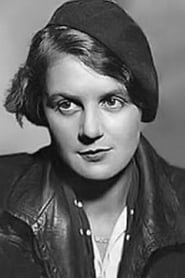
Tatyana Guretskaya
Actor
Born: January 15, 1904 in Moscow, Russian Empire Died: August 19, 1983 Active: 1935-1938 Birth Name: Tatyana Ivanovna Guretskaya
Films
3 films

About Tatyana Guretskaya
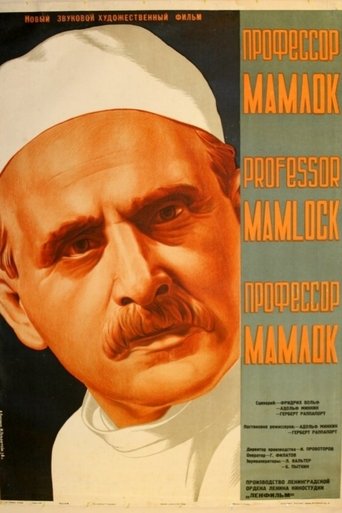
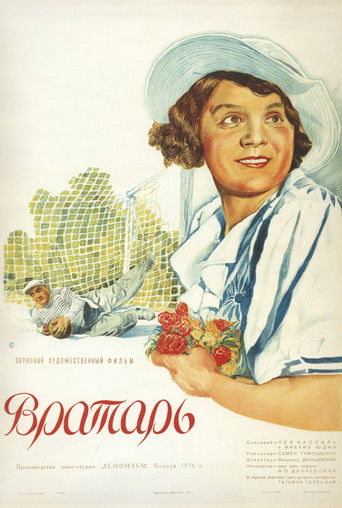
Soviet actress who had a brief but notable career in the mid-1930s Soviet cinema. She emerged during a significant period in Soviet film history when the industry was transitioning from the revolutionary avant-garde of the 1920s to the socialist realist style that would dominate later decades. Guretskaya appeared in several important films of the era, including 'Three Comrades' (1935), 'The Goalkeeper' (1936), and 'Professor Mamlock' (1938), which addressed themes of friendship, sports, and anti-fascism respectively. Her performances were characterized by a naturalistic approach that aligned with the emerging Soviet acting style of the period. Despite her promising start, her film career appears to have been relatively short, spanning roughly from 1935 to 1938. Like many actors of her generation, her work was shaped by the political and cultural demands of the Stalinist era, when cinema was increasingly used as a tool for ideological education.
The Craft
On Screen
Naturalistic and emotionally direct, characteristic of Soviet socialist realist acting style of the 1930s
Milestones
- Debut in 'Three Comrades' (1935)
- Starred in 'The Goalkeeper' (1936)
- Appeared in anti-fascist film 'Professor Mamlock' (1938)
Best Known For
Iconic Roles
Must-See Films
Working Relationships
Studios
Why They Matter
Impact on Culture
Tatyana Guretskaya contributed to Soviet cinema during a pivotal transitional period when the industry was establishing the socialist realist aesthetic that would dominate for decades. Her films reflected the ideological priorities of the time, including the celebration of Soviet sports achievements in 'The Goalkeeper' and the anti-fascist message of 'Professor Mamlock'. While not a major star, her work exemplifies the type of character acting that supported Soviet cinema's narrative goals during the 1930s.
Lasting Legacy
Guretskaya's legacy lies primarily in her participation in several significant Soviet films of the mid-1930s that are now considered important historical artifacts of their era. These films provide valuable insight into Soviet cultural values and cinematic techniques during the Stalinist period. Though her career was brief, her performances contribute to our understanding of Soviet acting styles and the role of cinema in Soviet society.
Who They Inspired
As a character actress working within the Soviet system, Guretskaya's influence would have been primarily through her embodiment of the socialist realist aesthetic rather than through mentoring or direct influence on other performers. Her work represents the collective approach to acting that characterized Soviet cinema of this period.
Off Screen
Limited information is available about Tatyana Guretskaya's personal life. She lived through major historical periods including the Russian Revolution, the formation of the Soviet Union, and World War II. Her career coincided with the height of Stalin's rule, a challenging period for artists in the Soviet Union.
Education
Likely received theatrical training in Moscow during the early 1930s, though specific educational details are not well documented
Did You Know?
- Her film active years covered only four years, from 1935 to 1938
- She worked during
- 'Professor Mamlock' was one of the first Soviet films to directly address the persecution of Jews under Nazi Germany
- Her films were made at major Soviet studios including Mosfilm
- Like many Soviet actors of her generation, her work was subject to strict ideological scrutiny
- Her career ended before World War II, which would dramatically alter Soviet cinema
- The films she appeared in are now studied as examples of 1930s Soviet propaganda cinema
Frequently Asked Questions
Who was Tatyana Guretskaya?
Screen credits include several notable films during the mid-1930s, including 'Three Comrades' (1935), 'The Goalkeeper' (1936), and 'Professor Mamlock' (1938). Her career, though brief, spanned a significant period in Soviet cinema history.
What films is Tatyana Guretskaya best known for?
Titles linked here include Three Comrades (1935), The Goalkeeper (1936).
When was Tatyana Guretskaya born and when did she die?
Born January 15, 1904; died August 19, 1983.
What awards did Tatyana Guretskaya win?
There are no documented awards or nominations for Tatyana Guretskaya, which was not uncommon for character actors in Soviet cinema of this period, especially those with relatively brief careers.
What was Tatyana Guretskaya's acting style?
Her acting style was naturalistic and emotionally direct, characteristic of the socialist realist approach that dominated Soviet cinema in the 1930s. This style emphasized clarity of expression and ideological clarity in service of the film's message.