
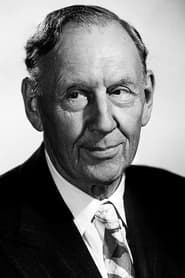
Basil Ruysdael
Actor
Born: July 24, 1878 in Jersey City, New Jersey, USA Died: October 10, 1960 Active: 1910-1960 Birth Name: Basil Milspaugh
Films
1 film
About Basil Ruysdael
American actor and opera singer who enjoyed a career spanning over four decades in both stage and screen entertainment. Born in 1878 in Jersey City, New Jersey, he began his career as a baritone opera singer, performing with prestigious companies including the Metropolitan Opera. His rich, resonant voice and commanding stage presence made for a natural transition to acting when sound films emerged in the late 1920s. Ruysdael made his film debut in the Marx Brothers' comedy 'The Cocoanuts' (1929), marking the beginning of an extensive film career that would see him appear in over 100 films. He became particularly known for portraying authority figures, judges, and military officers, leveraging his dignified bearing and powerful voice. Throughout the 1930s and 1940s, he worked steadily in Hollywood, appearing in major productions alongside some of the era's biggest stars. His career continued into the 1950s with appearances in both films and early television, cementing his legacy as a reliable character actor who brought gravitas to every role.
The Craft
On Screen
Ruysdael was known for his dignified, authoritative presence and deep, resonant voice that commanded attention. His classical training as an opera singer gave him exceptional vocal control and projection, which translated well to the sound era of cinema. He specialized in portraying men of authority and respectability, bringing gravitas and authenticity to roles as judges, military officers, doctors, and government officials. His acting style was characterized by precise diction, measured delivery, and a natural aristocratic bearing that made him ideal for period pieces and formal settings.
Milestones
- Performed with the Metropolitan Opera as a baritone singer
- Film debut in 'The Cocoanuts' (1929) with the Marx Brothers
- Appeared in over 100 films during his career
- Frequent portrayal of judges and authority figures
- Successful transition from opera to film acting
- Appeared in classic films including 'The Best Years of Our Lives' (1946)
- Voice work in early radio and television
Best Known For
Iconic Roles
Must-See Films
Accolades
Special Recognition
- Star on the Hollywood Walk of Fame for Film contributions
Working Relationships
Worked Often With
Studios
Why They Matter
Impact on Culture
Basil Ruysdael represents the successful transition of classically trained stage performers to the new medium of sound cinema. His career exemplifies how the film industry absorbed talent from various entertainment forms, particularly opera and legitimate theater, to meet the demand for skilled actors who could handle dialogue and vocal performance. Ruysdael's authoritative presence helped establish the archetype of the dignified character actor who brought credibility and weight to supporting roles, a pattern that would continue throughout Hollywood's Golden Age.
Lasting Legacy
Ruysdael's legacy endures through his extensive body of work in classic Hollywood cinema, where he consistently elevated the quality of productions through his reliable and dignified performances. His successful career transition from opera to film demonstrated the versatility of classically trained performers and helped set standards for voice work in early sound films. Many of his films remain classics of American cinema, and his performances continue to be studied by actors and film scholars interested in the craft of character acting during Hollywood's Golden Age.
Who They Inspired
Ruysdael influenced subsequent generations of character actors, particularly those specializing in authority figures and roles requiring vocal gravitas. His technique of combining classical training with naturalistic film acting served as a model for other stage performers transitioning to cinema. The authority and dignity he brought to his roles helped establish standards for supporting characters in ensemble casts, demonstrating how secondary roles could significantly enhance a film's overall quality and authenticity.
Off Screen
Basil Ruysdael was married twice during his lifetime. He maintained a relatively private personal life, though his professional achievements were well-documented in entertainment circles. His background in classical music and opera influenced his approach to acting and voice work throughout his career. He was respected among his peers for his professionalism and the dignity he brought to both his craft and personal conduct.
Education
Studied music and voice at conservatories in New York and Europe, receiving formal training in opera performance
Family
- Mildred Barnes (1915-1934)
- Mary Louise Hart (1935-1960)
Did You Know?
- Originally trained as a baritone opera singer before turning to acting
- His birth name was Basil Milspaugh, adopting 'Ruysdael' as his stage name
- Appeared in the first Marx Brothers film 'The Cocoanuts' (1929)
- His deep voice made him particularly valuable in early sound films
- Often played judges, military officers, and other authority figures
- Appeared in both 'The Best Years of Our Lives' and its sequel 'The Best Years of Our Lives' TV series
- Was one of the few actors to successfully transition from silent films to sound films without having been a major silent star
- His final film appearance was in 'The Man Who Shot Liberty Valance' (1962), released posthumously
- Performed with the Metropolitan Opera before his film career
- His distinctive voice also made him popular in radio dramas during the 1930s and 1940s
In Their Own Words
The stage taught me discipline, but film taught me subtlety - both are essential to good acting
Voice is the actor's primary instrument; without proper training, even the best performance falls flat
In supporting roles, your job is to make the stars shine brighter while maintaining your own dignity
Frequently Asked Questions
Who was Basil Ruysdael?
American with credits in this catalog. He was particularly known for his deep, resonant voice and authoritative presence, often portraying judges, military officers, and other figures of authority in classic films from the 1930s through the 1950s.
What films is Basil Ruysdael best known for?
Titles linked here include The Cocoanuts (1929), The Best Years of Our Lives (1946).
When was Basil Ruysdael born and when did he die?
Born July 24, 1878; died October 10, 1960.
What awards did Basil Ruysdael win?
While Basil Ruysdael did not receive major acting awards during his career, he was honored with a star on the Hollywood Walk of Fame for his contributions to film. His greatest recognition came from the consistent demand for his talents in over 100 film productions.
What was Basil Ruysdael's acting style?
Ruysdael's acting style was characterized by his dignified, authoritative presence and exceptional vocal control derived from his opera training. He specialized in bringing gravitas and authenticity to roles as authority figures, using precise diction and measured delivery that made him particularly effective in the sound era of cinema.