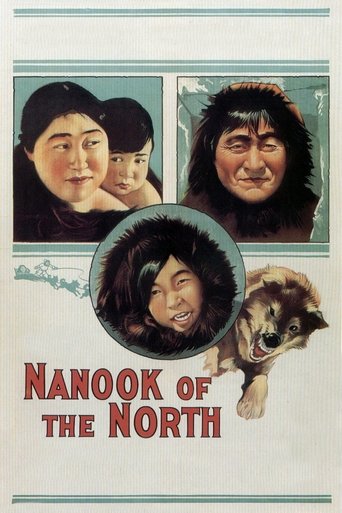
Allakariallak
Actor
Born: c. 1870s-1880s in Inukjuak, Quebec, Canada Died: 1924 Active: 1922-1922
Films
1 film
About Allakariallak
Inuit hunter from the Ungava Peninsula of northern Quebec, Canada, who became the subject and star of Robert J. Flaherty's documentary 'Nanook of the North' in 1922. He was selected by Flaherty to portray the titular character Nanook, a composite figure representing Inuit life in the harsh Arctic environment. His performance in the film showcased authentic Inuit hunting techniques, survival skills, and family dynamics, though some scenes were staged for dramatic effect. Following the film's international success, Allakariallak returned to his traditional lifestyle, having gained no significant financial benefit from the documentary that made him famous worldwide. He continued hunting and living according to Inuit traditions until his death in 1924, never appearing in another film. His brief but impactful contribution to cinema history helped establish the documentary film genre and brought unprecedented attention to Inuit culture on the global stage. Despite his limited filmography, his portrayal of Nanook remains performances in early documentary cinema.
The Craft
On Screen
Naturalistic and authentic, drawing from real-life experiences as a hunter and survivalist in the Arctic environment. His performance relied on physical actions and genuine emotions rather than theatrical techniques, showcasing the power of visual storytelling in silent film.
Milestones
- Star of Nanook of the North (1922)
- figure in documentary cinema
- First Inuit actor to gain international recognition
- Cultural ambassador for Inuit people
Best Known For
Iconic Roles
Must-See Films
Accolades
Special Recognition
- Posthumous recognition as a figure in documentary cinema
- Acknowledged as an important cultural ambassador for Inuit people
- Featured in National Film Registry preserved film (1989)
Working Relationships
Worked Often With
Studios
Why They Matter
Impact on Culture
Allakariallak's appearance in 'Nanook of the North' had a profound and lasting impact on both cinema and cultural understanding of indigenous peoples. His authentic portrayal of Inuit life introduced global audiences to Arctic survival techniques and cultural practices that had rarely been documented on film. The film's success, while controversial for some of its staged elements, helped establish the documentary film genre and set standards for ethnographic filmmaking. His dignified representation challenged prevailing stereotypes about indigenous peoples and contributed to early 20th-century discussions about cultural preservation and documentation. The image of Allakariallak as Nanook became an iconic symbol of human resilience and adaptation in extreme environments, influencing countless subsequent documentaries and feature films.
Lasting Legacy
Allakariallak's legacy endures as a foundational figure in documentary cinema history and as an important cultural ambassador for Inuit people. His performance in 'Nanook of the North' continues to be studied in film schools as an example of early documentary techniques and the power of authentic human storytelling. The film remains. His contribution to cinema is particularly significant given that he was not a professional actor but a real person whose life experiences formed the basis of his performance. Modern documentary filmmakers and indigenous rights advocates often reference his story when discussing issues of representation, consent, and cultural authenticity in media.
Who They Inspired
Allakariallak's naturalistic approach to being filmed influenced subsequent documentary filmmakers who sought authentic performances from non-professional subjects. His ability to convey emotion and tell stories through action rather than dialogue demonstrated the power of visual storytelling in silent film. Later documentary filmmakers working with indigenous subjects often referenced his work as a model for respectful collaboration with communities. His success showed that documentaries featuring real people in their authentic environments could achieve both artistic merit and popular appeal, influencing the development of cinema verité and observational documentary styles.
Off Screen
Traditional Inuit hunter and family man who lived according to the seasonal cycles and customs of his people. He was married with children, though specific details about his family are limited in historical records. His selection for the documentary role came from his reputation as a skilled hunter and his charismatic presence within his community. After filming, he returned to his traditional lifestyle, continuing to hunt and provide for his family in the harsh Arctic environment until his death from starvation in 1924.
Education
Traditional Inuit education, learning survival skills, hunting techniques, and cultural knowledge from elders and community members.
Family
- Name not definitively recorded in historical sources
Did You Know?
- The name 'Nanook' was actually a character name created for the film; Allakariallak's real name was different according to some sources
- Many scenes in 'Nanook of the North' were staged, including the famous walrus hunt scene
- Allakariallak used a 19th-century harpoon instead of contemporary firearms to make the film seem more 'primitive'
- He died of starvation two years after the film's release, despite its international success
- The igloo built for filming had an open side to allow camera access and proper lighting
- Allakariallak was paid for his participation but the amount was minimal compared to the film's profits
- His family members who appeared in the film were also not professional actors
- The film's success led to increased tourism to the region, affecting traditional Inuit ways of life
- Modern Inuit people have mixed feelings about the film's portrayal of their culture
- The film was selected for preservation in the National Film Registry in 1989
In Their Own Words
We are not actors, we are hunters. The film shows how we really live, though some parts were arranged for the camera.
The camera is strange, but we show our life as it is.
Frequently Asked Questions
Who was Allakariallak?
Inuit hunter from northern Quebec who starred as Nanook in Robert J. Flaherty's groundbreaking 1922 documentary 'Nanook of the North'. He became one of the first indigenous people to gain international recognition through film, though he returned to his traditional lifestyle after filming.
What films is Allakariallak best known for?
Titles linked here include Nanook of the North (1922).
When was Allakariallak born and when did he die?
Born c. 1870s-1880s; died 1924.
What awards did Allakariallak win?
Allakariallak did not receive formal awards during his lifetime, as documentary actors were not recognized in award ceremonies of his era. However, 'Nanook of the North' was later selected for preservation in the National Film Registry, acknowledging his contribution to cinema history.
What was Allakariallak's acting style?
Allakariallak's performance was naturalistic and authentic, drawing directly from his real-life experiences as an Inuit hunter. He conveyed emotion and storytelling through physical actions rather than dialogue, demonstrating the power of visual storytelling in silent film.
How did Allakariallak impact documentary filmmaking?
Allakariallak's collaboration with Robert J. Flaherty helped establish the documentary film genre and demonstrated the potential of using real people to tell authentic stories. His work influenced subsequent approaches to ethnographic filmmaking and raised important questions about representation and authenticity in documentaries.
Was 'Nanook of the North' completely authentic?
No, while the film captured authentic aspects of Inuit life, many scenes were staged or manipulated for dramatic effect. Allakariallak used outdated hunting tools instead of contemporary firearms, and some hunting scenes were arranged for the camera, though the fundamental survival techniques shown were genuine.