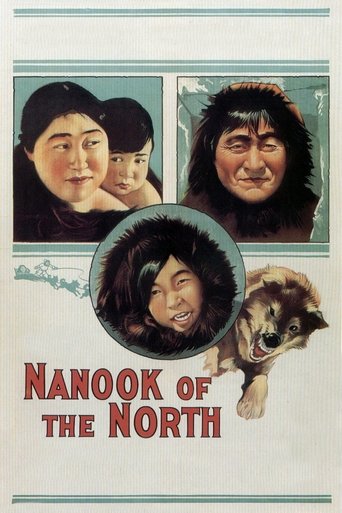
Films
1 film
About Alice Nevalinga
Inuit woman who participated in Robert J. Flaherty's documentary film 'Nanook of the North' (1922). Alice appears as a member of the Inuit family depicted in the film, which documented traditional life in the Canadian Arctic. Like other participants in the film, Nevalinga was not a professional actress but a community member who agreed to be filmed during Flaherty's expedition. The film was shot near Inukjuak, Quebec, on the eastern coast of Hudson Bay, where Nevalinga lived with her community. Her participation helped create documentaries in cinema history, though she received no formal credit or compensation beyond what Flaherty provided to the community. Very little is documented about her life beyond her appearance in this landmark film, which is typical of many indigenous participants in early ethnographic cinema.
The Craft
On Screen
Natural, authentic portrayal of daily Inuit life - not acting but genuine participation in documentary filmmaking
Milestones
- Appeared in 'Nanook of the North' (1922),
Best Known For
Iconic Roles
Must-See Films
Working Relationships
Worked Often With
Why They Matter
Impact on Culture
Alice Nevalinga's participation in 'Nanook of the North' contributed to what is widely considered the first feature-length documentary. The film had a profound impact on documentary filmmaking and brought international attention to Inuit culture, though it also raised questions about the ethics of documentary representation and staging. Her authentic presence helped establish a template for ethnographic cinema, influencing generations of documentary filmmakers. The film's success also sparked debates about the portrayal of indigenous peoples in media and the power dynamics between filmmakers and their subjects.
Lasting Legacy
Alice Nevalinga's legacy is tied to her contribution to one of cinema's most important early documentaries. While she remained largely anonymous in film history, her participation helped create a visual record of Inuit life that has endured for over a century. The film she appeared in continues to be studied in film schools worldwide as a foundational text in documentary cinema. Her image and those of her fellow Inuit participants have become iconic representations of Arctic life, even as modern scholars critique the film's romanticized and sometimes staged elements.
Who They Inspired
As a non-professional participant in a groundbreaking documentary, Alice Nevalinga influenced documentary filmmaking by demonstrating the power of authentic, non-actor performances. Her natural presence in the film helped establish the documentary tradition of filming real people in their environments. The film's approach influenced later ethnographic filmmakers and documentary pioneers, though it also sparked ongoing discussions about the ethics of documentary representation and the relationship between filmmakers and their subjects.
Off Screen
Very little is documented about Alice Nevalinga's personal life beyond her participation in 'Nanook of the North'. As an Inuit woman living in the northern Quebec region in the early 1920s, she would have been part of a traditional hunting and fishing community. The film documented aspects of daily life including building igloos, hunting, and family interactions, though some scenes were staged for the camera. Like many indigenous participants in early documentary films, her personal story and life beyond the film remain largely unrecorded in historical archives.
Education
Traditional Inuit education and life skills
Did You Know?
- Alice Nevalinga was one of the Inuit people who lived near Inukjuak, Quebec, where 'Nanook of the North' was filmed
- The film's director, Robert J. Flaherty, lived with the Inuit community for 16 months before filming
- Like other participants, Nevalinga received no formal screen credit in the film
- Many scenes in the documentary were staged or re-enacted for the camera
- The film was a commercial success but the Inuit participants received little to no financial compensation
- The lead actor 'Nanook' was actually played by Allakariallak, not a real person named Nanook
- Flaherty destroyed his earlier footage of the film and insisted on reshooting everything
- The film's success led to Flaherty becoming known as the 'father of documentary film'
- Many of the traditional practices shown in the film were already becoming obsolete by the 1920s
- The film was selected for preservation in the United States National Film Registry in 1989
Frequently Asked Questions
Who was Alice Nevalinga?
Inuit woman who participated in Robert J. Flaherty's 1922 documentary 'Nanook of the North'. She was not a professional actress but a community member who appeared as part of the Inuit family depicted in this groundbreaking film about life in the Canadian Arctic.
What films is Alice Nevalinga best known for?
Titles linked here include Nanook of the North (1922).
When was Alice Nevalinga born and when did she die?
Specific birth and death dates for Alice Nevalinga are not documented in historical records. She was an Inuit woman living in northern Quebec, Canada, during the early 1920s when the film was made, but like many indigenous participants in early documentaries, her personal details were not formally recorded.
What awards did Alice Nevalinga win?
Alice Nevalinga did not receive any formal awards or recognition for her participation in 'Nanook of the North'. The film itself has received numerous accolades over the decades, including preservation in the U.S. National Film Registry, but the individual Inuit participants were not honored during their lifetime.
What was Alice Nevalinga's acting style?
Alice Nevalinga did not employ an acting style in the traditional sense. Her participation in 'Nanook of the North' consisted of authentic documentation of daily Inuit life, though some scenes were staged for the camera. She represented natural, non-professional participation in early documentary filmmaking rather than theatrical performance.