Films
1 film
About Cunayou
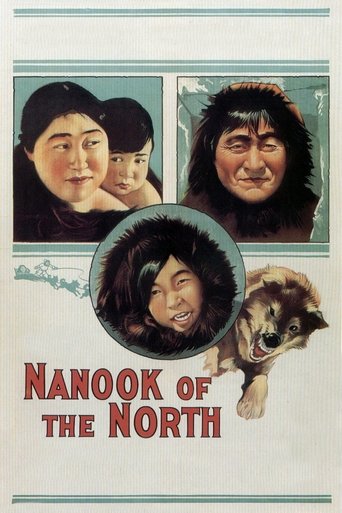
Cunayou was cast in Robert J. Flaherty's 1922 documentary 'Nanook of the North,' which is widely considered the first feature-length documentary in cinema history. As a member of the Inuit community near Port Harrison (now Inukjuak) in Quebec, Canada, Cunayou participated in the film that documented traditional Inuit life and survival techniques in the harsh Arctic environment. The film, while partially staged, captured authentic aspects of Inuit culture including hunting, igloo building, and family dynamics. Cunayou's appearance in the film contributed to its ethnographic significance and helped introduce Western audiences to Inuit culture and Arctic life. The individual's participation in this documentary represents an important, though often overlooked, contribution to early cinema and documentary filmmaking. The film's success and enduring legacy have made Cunayou, along with other participants, part of cinematic history as authentic representatives of Inuit culture during the early 20th century.
The Craft
On Screen
Natural and authentic portrayal of daily Inuit life, participating in real traditional activities rather than theatrical performance
Milestones
- Appeared in 'Nanook of the North' (1922), the first feature-length documentary
- Participated in groundbreaking ethnographic filmmaking
- Contributed to early documentary cinema history
- Helped document traditional Inuit culture and lifestyle
Best Known For
Iconic Roles
Must-See Films
Accolades
Special Recognition
- Recognized as a contributor to
Working Relationships
Worked Often With
Studios
Why They Matter
Impact on Culture
Cunayou's participation in 'Nanook of the North' contributed significantly to early documentary cinema and ethnographic filmmaking. The film introduced global audiences to Inuit culture and Arctic survival techniques, though it also raised questions about the ethics of documentary representation and the staging of scenes. The individual's authentic presence helped establish a template for documentary filmmaking that valued real people and real situations over fictional narratives.
Lasting Legacy
As a participant in cinema's first feature-length documentary, Cunayou holds a unique place in film history. The film's preservation in the National Film Registry and its continued study in film schools ensures that the contributions of all participants, including Cunayou, are remembered as foundational to documentary cinema. Their image and activities captured on film serve as an important historical record of Inuit life in the early 20th century.
Who They Inspired
The authentic representation provided by Cunayou and other Inuit participants influenced generations of documentary filmmakers who sought to capture real people and real situations. The film's approach to ethnographic documentation, despite its controversies, set standards that documentary filmmakers continue to reference and debate today.
Off Screen
Little is documented about Cunayou's personal life beyond their participation in 'Nanook of the North.' As an Inuit person living in the early 20th century Arctic region, they would have been part of a traditional hunting and gathering community. The film captured authentic aspects of family life and community cooperation that were central to Inuit survival and culture.
Did You Know?
- 'Nanook of the North' was inducted into the National Film Registry in 1989
- The film was shot between 1920-1921 but released in 1922
- Director Robert J. Flaherty lived with the Inuit community for 16 months before filming
- The film's title character 'Nanook' was played by Allakariallak, not Cunayou
- Many scenes in the film were staged for the camera, though they depicted authentic activities
- The film was a commercial success and helped establish the documentary genre
- Cunayou would have been one of the few Inuit people captured on film during this era
- The film was originally funded by a French fur trading company
- Despite its documentary label, the film contains fictionalized elements
- The igloo shown in the film was specially constructed with a cutaway side for better camera angles
Frequently Asked Questions
Who was Cunayou?
Screen credits include Robert J. Flaherty's 1922 documentary 'Nanook of the North,' one of the first feature-length documentaries ever made. They were part of the Inuit community near Port Harrison, Quebec, whose traditional lifestyle was documented in this groundbreaking film.
What films is Cunayou best known for?
Titles linked here include Nanook of the North (1922).
When was Cunayou born and when did they die?
Specific birth and death dates for Cunayou are not documented in historical records, which was common for indigenous people of this era. They were an adult member of the Inuit community during the filming of 'Nanook of the North' in 1920-1921.
What awards did Cunayou win?
Cunayou did not receive individual awards for their participation in 'Nanook of the North.' However, the film itself has received numerous honors, including induction into the National Film Registry in 1989 for its cultural and historical significance.
What was Cunayou's acting style?
Cunayou's 'acting' consisted of natural participation in authentic Inuit activities rather than theatrical performance. They engaged in real traditional tasks such as hunting, igloo building, and family life, which were captured on film for their ethnographic value.