Allee
Actor
Born: c. 1870s in Inukjuak region, Quebec, Canada Died: 1924 Active: 1922-1922 Birth Name: Allakariallak
Films
1 film
About Allee
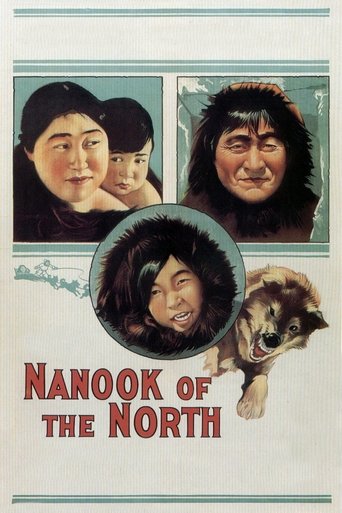
Allakariallak, credited as 'Allee' in Nanook of the North, was an Inuit hunter from the Inukjuak region of Northern Quebec, Canada, who became the subject of Robert J. Flaherty's 1922 documentary film. Selected by Flaherty for his impressive hunting skills and charismatic presence, Allakariallak portrayed the character 'Nanook,' representing the traditional Inuit way of life. His performance, though partially staged for the camera, captured authentic survival techniques and cultural practices that were rapidly changing due to Western influence. The film's international success made Allakariallak one of the first documentary film stars, though he remained unaware of his global fame. Tragically, just two years after the film's release, he died of starvation during a hunting expedition in 1924, highlighting the harsh realities of Arctic life that the film had documented. His legacy endures through Nanook of the North's status as a work in documentary cinema and ethnographic film.
The Craft
On Screen
Natural and authentic performance style, demonstrating real hunting skills and survival techniques rather than theatrical acting. His presence was characterized by genuine expertise in traditional Inuit practices, bringing authenticity to the documentary format despite some staged scenes.
Milestones
- Star of the documentary 'Nanook of the North' (1922)
- First Indigenous person to achieve international recognition through film
- Portrayed traditional Inuit hunting and survival techniques on film
Best Known For
Iconic Roles
Must-See Films
Accolades
Special Recognition
- Recognized posthumously as a figure in documentary cinema
- Subject of continued academic study in film and anthropology
Working Relationships
Worked Often With
Studios
Why They Matter
Impact on Culture
Allakariallak's appearance in Nanook of the North had profound cultural impact, introducing global audiences to Inuit culture and Arctic life for the first time. The film created enduring stereotypes about Indigenous peoples while also fostering appreciation for traditional ways of life. His performance helped establish the documentary film genre and demonstrated how cinema could serve as both artistic expression and cultural documentation. The film's success influenced generations of documentary filmmakers and anthropologists, though it also raised important questions about the ethics of documentary representation and the line between documentation and exploitation.
Lasting Legacy
Allakariallak's legacy endures through Nanook of the North's status as. He represents the complex relationship between Indigenous subjects and Western filmmakers in the early 20th century. His authentic portrayal of Inuit life, despite some staging, remains a valuable historical record of traditional Arctic culture. The film continues to be studied in film schools and anthropology programs, with Allakariallak recognized as a figure who helped shape documentary cinema. His story highlights both the power and the problems of cross-cultural representation in media.
Who They Inspired
Allakariallak's natural performance style influenced the development of documentary filmmaking, demonstrating the power of authentic human subjects over staged narratives. His work with Flaherty helped establish techniques for ethnographic film that would influence generations of documentary filmmakers. The film's success paved the way for more documentaries featuring Indigenous subjects, though often with similar ethical complexities. His approach to being filmed - maintaining dignity while demonstrating traditional skills - became a model for how Indigenous subjects could engage with documentary filmmaking while preserving cultural authenticity.
Off Screen
Allakariallak was a respected Inuit hunter and family man living in the traditional way of his people. He had a wife, Nyla, and children who also appeared in the documentary. His life was centered around the seasonal hunting cycles and survival in the harsh Arctic environment. Despite his brief moment of cinematic fame, he continued living as a traditional hunter until his tragic death.
Education
Traditional Inuit education in hunting, survival skills, and cultural practices
Family
- Nyla (married until his death in 1924)
Did You Know?
- His real name was Allakariallak, but he was credited as 'Allee' in the film
- The character name 'Nanook' was actually a fictional creation by director Robert J. Flaherty
- Many scenes in the documentary were staged, including the famous walrus hunt sequence
- He never learned to read or write, as was typical for Inuit people of his generation
- The gramophone scene where Nanook bites the record was completely staged for comedic effect
- He was paid for his participation in the film with tobacco, tools, and other trade goods
- Despite the film's success, he likely never knew how famous he had become internationally
- The igloo built for filming was larger than traditional ones to accommodate camera equipment
- His family members who appeared in the film were his actual wife and children
- He died just two years after the film's release during a hunting expedition
In Their Own Words
(No recorded quotes exist - Allakariallak's dialogue in the film consisted of Inuktitut, which was not subtitled in the original release)
Frequently Asked Questions
Who was Allee from Nanook of the North?
Allee, whose real name was Allakariallak, was an Inuit hunter from Northern Quebec who starred as the protagonist in Robert J. Flaherty's groundbreaking 1922 documentary 'Nanook of the North.' He was selected for his exceptional hunting skills and became one of the first documentary film subjects to achieve international recognition.
What film is Allee best known for?
Allee is known exclusively for his role in 'Nanook of the North' (1922), which was his only film appearance. This documentary follows his character Nanook through the challenges of Arctic survival and remains.
When was Allee born and when did he die?
Born c. 1870s; died 1924.
What awards did Allee receive for his work?
Allakariallak received no formal awards during his lifetime, as the film industry's award systems were not yet established in 1922. However, his contribution to cinema has been recognized posthumously through the film's inclusion in numerous 'greatest films' lists and its preservation in the National Film Registry.
Was Nanook of the North a real documentary?
While marketed as a documentary, Nanook of the North contained many staged elements. Director Robert J. Flaherty reenacted certain scenes for dramatic effect and simplified aspects of Inuit life. However, Allakariallak's hunting skills and survival techniques were authentic, making the film a hybrid of documentary and staged narrative.