Ilya Kopalin
Director
- Active
- 1930-1930
Films directed 1
About Ilya Kopalin
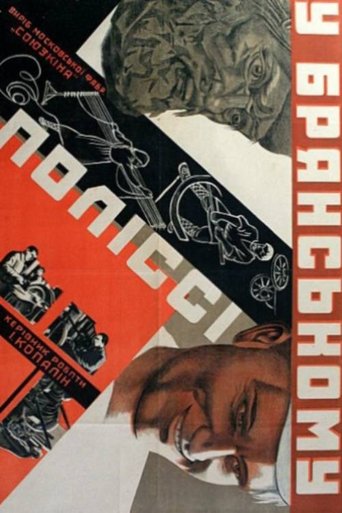
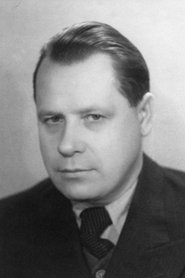
Ilya Kopalin was a Soviet documentary filmmaker and one of the important early masters of Soviet non-fiction cinema. He emerged in the first decades of Soviet sound and documentary filmmaking, working during a period when film was being used not only as entertainment but also as a powerful tool for education, propaganda, and historical record. His credited directing work includes In the Bryansk Polesie (1930), a title that places him among the early generation of filmmakers documenting Soviet life, labor, and regional realities. Kopalin is best remembered for contributing to the development of the Soviet documentary tradition, in which the camera was used to observe contemporary events with ideological purpose and journalistic immediacy. His career belongs to the broader movement of Soviet filmmakers who shaped nonfiction cinema into a major artistic and political form. Because much of his work was made in the documentary sphere, his name is less widely known internationally than feature-film directors, but he remains significant in the history of early Soviet film culture. Detailed biographical information such as exact birth and death dates, family background, and private life is not readily available in standard reference sources, which is common for many documentary filmmakers of the era.
More about Ilya Kopalin
Behind the camera
Kopalin's directing style can be understood in the context of early Soviet documentary practice: practical, topical, and closely tied to the political and social aims of the period. His work likely emphasized real locations, labor, and regional life, using the camera to present Soviet reality as a living record rather than a staged dramatic narrative. Directors in this tradition often employed direct observation, montage editing, and an emphasis on collective activity over individual psychology. Since his surviving or well-documented body of work is extremely limited in accessible references, specific stylistic trademarks beyond this documentary framework are difficult to verify precisely.
In film history
Ilya Kopalin's cultural impact lies in his place within the early Soviet documentary tradition, a movement that helped define how the USSR represented itself on screen. Documentary filmmakers of his period were crucial in creating a visual record of industrialization, rural life, and regional identity, while also reinforcing official narratives about progress and socialist construction. Even when individual names were not broadly celebrated outside specialist circles, their films contributed to a larger cinematic language that influenced newsreels, documentary practice, and state cinema across the Soviet Union. Kopalin's work belongs to the foundation of nonfiction film as both historical document and ideological expression.
Later reputation
Kopalin's legacy is primarily historical and institutional rather than celebrity-based. He stands as part of the generation of Soviet filmmakers who helped establish documentary cinema as a serious and purposeful medium in the early 20th century. His known filmography is small in surviving or easily accessible records, but that does not diminish the importance of his participation in a crucial period of Soviet film development. For historians of classic cinema, he is valuable as an example of the many directors who contributed to the medium's growth beyond the major feature-film names that dominate popular memory.
Influence
Kopalin's influence is best understood indirectly, through the traditions of Soviet documentary and newsreel filmmaking that became central to 20th-century nonfiction cinema. Filmmakers working in similar state-sponsored documentary modes influenced later generations of Soviet and international documentary directors who adopted observational realism, montage-driven argument, and political subject matter. While there is no widely documented record of specific protégés or direct mentorships, his work belongs to a lineage that helped normalize documentary film as a tool for education, persuasion, and historical record. In that sense, his contribution was part of a broader aesthetic and institutional influence rather than a highly individualized star-style legacy.
Off screen
There is very little publicly documented information about Ilya Kopalin's personal life in standard film references. His family background, marriages, and private relationships are not widely recorded in accessible sources, and no reliable details are readily available from the information used here. Like many documentary specialists of the Soviet early sound era, his public identity is tied more to institutional film work than to celebrity. As a result, his life outside filmmaking remains largely obscure to modern researchers.
Credits
- Directed the documentary In the Bryansk Polesie (1930), his known credited film work in early Soviet cinema
- Worked during the formative years of Soviet documentary film, when non-fiction cinema was becoming a state-supported cultural instrument
- ساهم in the development of observational and propagandistic documentary practices typical of early Soviet screen culture
- Represents the generation of filmmakers who documented Soviet industry, labor, and regional life in the late silent and early sound period
- Associated with the historical expansion of documentary filmmaking as an important Soviet art form
Films
- In the Bryansk Polesie (1930)
Studios
- Soviet documentary production system
Notes
- He is known primarily for documentary work rather than feature films.
- His credited film In the Bryansk Polesie dates from 1930, placing him in the early Soviet sound era.
- Biographical details such as birth and death dates are not readily available in standard film references.
- He represents a generation of filmmakers whose reputations are often preserved mainly through archival film records rather than extensive biographies.
- His work belongs to the Soviet tradition of using cinema for social documentation and ideological communication.
- Unlike many silent-era feature directors, he is not widely associated with a large body of star-driven commercial cinema.
- His name is most likely encountered by researchers through historical filmographies and documentary catalogues.
Questions
Who was Ilya Kopalin?
Ilya Kopalin was a Soviet documentary film director associated with the early development of nonfiction cinema in the USSR. He is known for directing In the Bryansk Polesie (1930) and for working within the documentary traditions that recorded Soviet life, labor, and regional realities.
What films is Ilya Kopalin best known for?
He is best known for In the Bryansk Polesie (1930), which is the credited title most clearly associated with his filmography. Because surviving reference information is limited, additional film titles are not reliably established here.
When was Ilya Kopalin born and when did he die?
Reliable public reference sources used here do not provide verified birth or death dates for Ilya Kopalin. His exact places of birth and death are likewise not readily documented in standard accessible film histories.
What awards did Ilya Kopalin win?
No major awards or formal honors are readily documented for Ilya Kopalin in the accessible references available here. This is not unusual for early documentary filmmakers whose work was often recognized within institutional or state contexts rather than through modern awards systems.
What was Ilya Kopalin's directing style?
Kopalin's directing style should be understood as part of early Soviet documentary filmmaking, which emphasized real locations, social reality, and politically meaningful subject matter. His work likely relied on observational footage and edited argument rather than dramatic performance or fictional storytelling.
What is Ilya Kopalin's legacy in film history?
His legacy lies in his role as part of the foundational generation of Soviet documentary filmmakers. Even though he is not a widely known public figure today, his work contributed to the growth of nonfiction cinema as an artistic and political medium in the early Soviet era.