In the Bryansk Polesie
Plot
In the Bryansk Polesie follows a documentary journey through the landscapes, villages, and working life of the Bryansk region, presenting the area as a distinctive cultural and natural world within the Soviet Union. Rather than telling a fictional story with characters and dialogue, the film observes real places and people, emphasizing the rhythms of labor, local customs, and the beauty of the Polesie environment. As the camera moves through forests, waterways, settlements, and fields, the film builds a portrait of a region whose everyday life is tied to both tradition and modernization. The work functions as a travelogue and an ethnographic document, inviting viewers to experience the atmosphere, texture, and visual character of Bryansk Polesie in the early Soviet period.
Director
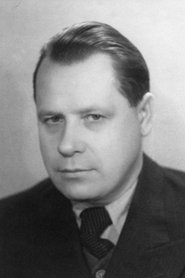
Ilya KopalinAbout the Production
This is a short documentary from the early sound-era transition period in Soviet cinema, and detailed production records are not widely available in standard English-language sources. As with many regional documentaries of the period, the film appears to have been made as an observational travel and cultural portrait rather than a studio-bound production, which would have required the crew to work on location in rural and semi-rural environments. Its surviving metadata attributes the film to Ilya Kopalin, a filmmaker associated with documentary and journalistic cinema, suggesting an emphasis on real-world depiction, mobility, and topical observation. Because exact archival records are sparse, precise data on budget, crew size, release logistics, and studio backing cannot be reliably verified here.
Historical Background
In 1930, Soviet cinema was operating in a rapidly changing political and cultural environment. The late 1920s and early 1930s saw intensified state planning, collectivization, and a drive to represent the Soviet Union as a modern, unified socialist project, while documentary filmmakers were tasked with showing progress, labor, and the transformation of everyday life. A film about Bryansk Polesie would have fit into this broader agenda by spotlighting a specific region and presenting it as part of the evolving Soviet landscape. At the same time, it also serves as a valuable record of local geography and culture during a period of enormous social change, making it important both as a cinematic artifact and as a historical document.
Why This Film Matters
The film’s cultural significance lies primarily in its role as a regional documentary from the early Soviet era. Works like this helped define how the USSR saw itself on screen: not only through major cities and industrial centers, but also through landscapes, villages, and ethnic or regional identities. As a visual record of Bryansk Polesie, the film likely preserves images of customs, work patterns, and environments that would later change substantially, giving it value for historians, archivists, and local cultural memory. Even if it is not widely known today, it contributes to the larger history of Soviet nonfiction cinema and the cinematic documentation of regional life.
Making Of
Specific behind-the-scenes anecdotes, casting decisions, and production conflicts are not well documented in accessible sources for this title. What can be said with confidence is that the film was created at a time when Soviet documentary filmmakers were increasingly using cinema to explore the life of the republics and regions of the USSR, often traveling to remote or underrepresented areas to capture local industry, agriculture, and customs. A location-based documentary such as this would have depended heavily on field shooting, weather, access to communities, and the practical challenges of moving equipment through rural terrain. Ilya Kopalin’s documentary background suggests a production style rooted in observation, editorial organization, and topical significance rather than staged reconstruction.
Visual Style
Although detailed shot-by-shot analysis is not widely documented, the film’s subject matter strongly suggests a visual style built around landscape observation, travelogue imagery, and documentary framing. A title like In the Bryansk Polesie implies an emphasis on wide natural spaces, rural settlements, and the contrast between the area’s forests, wetlands, and inhabited zones. Early Soviet documentaries often combined panoramic views with close attention to labor and local activity, creating a balance between environmental description and social observation. The cinematography would have been shaped by the practical realities of on-location shooting in 1930, likely favoring clear compositional readability and expressive use of geography.
Innovations
No specific technical innovations are widely documented for this film, but its importance lies in its documentary deployment of location shooting and regional observation at a time when Soviet nonfiction cinema was rapidly expanding its methods. The film likely demonstrates the practical achievements of capturing landscape and everyday life in a remote or less urbanized setting, which itself was a notable undertaking in the period. Its value as a technical artifact also comes from the preservation of early documentary practices—mobile filming, montage-based organization, and visual ethnography—rather than from any single headline innovation.
Music
Information about the original music or score is not readily available in accessible sources. As a 1930 documentary, it may have been produced during the transitional period between silent film and synchronized sound practices in Soviet cinema, so the surviving record may not clearly preserve the original exhibition music or narration arrangement. If a score or musical accompaniment existed, it would likely have been tailored to documentary presentation, either for theatrical accompaniment or for synchronized release, but precise details cannot be verified here.
Memorable Scenes
- A panoramic journey through the Bryansk Polesie landscape, using the terrain itself as the film’s central subject.
- Observational passages that highlight rural work, local customs, and the everyday rhythm of life in the region.
- Sequences that contrast forested or marshy natural spaces with inhabited settlements, emphasizing the distinct character of the area.
Did You Know?
- The film is identified as a documentary, not a fiction feature, and its main purpose is to portray a specific region rather than tell a scripted dramatic story.
- It centers on Bryansk Polesie, a culturally and geographically distinctive part of western Russia known for forests, wetlands, and rural traditions.
- The credited director, Ilya Kopalin, was an important Soviet documentary filmmaker, making the film part of a broader tradition of early Soviet nonfiction cinema.
- Because it dates from 1930, it belongs to a formative era when Soviet documentary was developing new ways to combine observation, education, and ideological interpretation.
- The film is historically significant as an early audiovisual record of regional life in the Bryansk area during the late NEP/early Stalin period.
- No widely circulating synopsis, dialogue transcript, or contemporary review is commonly available in English-language reference sources, which makes surviving metadata especially important for identification.
- The film’s title points to the Bryansk Polesie landscape, a term that evokes both place and cultural identity, indicating that the film likely emphasizes locale as much as people.
- It is one of the many Soviet-era regional documentaries that helped construct a cinematic map of the USSR for domestic audiences.
What Critics Said
Contemporary critical reception is not well preserved in easily accessible international sources, so specific reviews from 1930 cannot be reliably summarized here. In modern scholarship, films of this type are generally valued as archival and historical evidence, especially when they document regions, labor, and everyday life in the early Soviet period. The film would likely be assessed today less as a polished entertainment and more as an important nonfiction artifact that reflects both the documentary methods and ideological priorities of its era. Its reputation, insofar as it is known, is tied to documentary history and regional representation rather than popular critical acclaim.
What Audiences Thought
Audience reception data is not readily available, and no reliable box-office-style records are known for this documentary. For Soviet viewers in 1930, such films were often consumed as educational, informational, or propagandistic works shown in cinemas, clubs, or special screenings rather than as mass entertainment in the modern sense. Its likely audience response would have depended on viewers’ familiarity with the region and interest in seeing local life represented on screen. Today, audiences who encounter the film are most likely to do so through archives, retrospectives, or research contexts, where it is appreciated as a rare historical document.
Film Connections
Influenced By
- Soviet documentary tradition of the 1920s
- Dziga Vertov's nonfiction and actuality cinema
- Regional travelogues and industrial-cultural documentaries of the early Soviet period
This Film Influenced
- Later Soviet regional documentaries
- Postwar Russian ethnographic and travel documentaries
- Archival historical region portraits in Soviet and post-Soviet nonfiction cinema
You Might Also Like
More Documentary Films
View allFilm Restoration
The film appears to survive at least in archival metadata and catalog records, but its full preservation, restoration status, and public accessibility are not clearly documented in widely available sources. It should be treated as a rare early documentary whose current availability may be limited to archives or specialized collections.