
Walter Byron
Actor
Born: June 11, 1899 in England, United Kingdom Died: April 2, 1972 Active: 1928-1928
Films
1 film
About Walter Byron
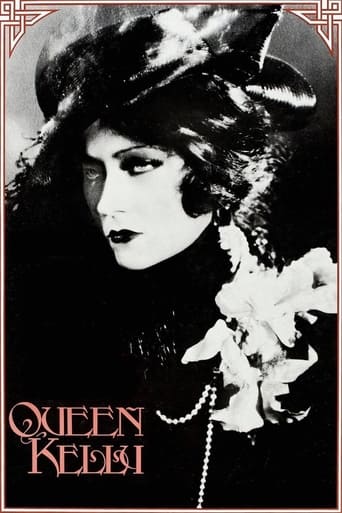
British actor who achieved brief recognition during the late silent era, most notably for his portrayal of Prince Wolfram in Erich von Stroheim's ambitious but unfinished production Queen Kelly (1928). His casting in this high-profile film opposite the Gloria Swanson represented the peak of his documented film career, as he was chosen to play the romantic lead in what was intended to be a major Hollywood spectacle. The production of Queen Kelly became one of cinema's most famous disasters, with creative conflicts between Swanson and von Stroheim leading to the film's shutdown and incomplete status. Following the collapse of this project, Byron's subsequent film career appears to have been minimal or non-existent, with no other major documented roles from this period. His brief moment in cinema history has been preserved primarily through the surviving footage of Queen Kelly, which later gained significant attention from film historians and became a cult classic among silent cinema enthusiasts. Despite his extremely limited filmography, Byron's association with one of Hollywood's most unfinished productions has ensured his inclusion in film history discussions about the excesses and ambitions of late silent era filmmaking.
The Craft
On Screen
As a performer in the late silent era, Walter Byron's acting style would have embodied the characteristic techniques of silent film performance, including exaggerated gestures, expressive facial movements, and body language necessary to convey emotion without dialogue. His role as Prince Wolfram required the romantic leading man approach popular in 1920s cinema, combining aristocratic dignity, passionate intensity, and the melodramatic sensibility appropriate for von Stroheim's grand vision. The surviving footage suggests he employed the typical silent era method of using eyes and facial expressions to communicate complex emotions, a technique essential for romantic leads in period dramas of this period.
Milestones
- Cast as Prince Wolfram in Erich von Stroheim's Queen Kelly (1928)
- Worked with legendary director Erich von Stroheim on his most ambitious project
- Starred opposite Hollywood icon Gloria Swanson in a major production
- Became part of cinema history through participation in legendary unfinished film
- Represented the romantic leading man archetype of late silent cinema
Best Known For
Iconic Roles
Must-See Films
Working Relationships
Worked Often With
Studios
Why They Matter
Impact on Culture
Walter Byron's cultural impact is almost entirely derived from his participation in Queen Kelly, which has become one of cinema's most famous unfinished films and a subject of endless fascination among film historians. Though his own career was remarkably brief, his association with this legendary production has ensured his inclusion in discussions about Hollywood's golden age excesses and the artistic conflicts that shaped cinema history. The film's later discovery, restoration, and cult status have brought renewed attention to Byron's performance, making him a minor but memorable figure in the canon of silent cinema who represents the many actors who briefly touched Hollywood's heights during this transitional period.
Lasting Legacy
Walter Byron's legacy is that of a footnote to one of cinema's greatest 'what if' stories, yet his contribution to Queen Kelly has ensured his name survives in film history. His performance as Prince Wolfram stands as a representative example of the romantic leading man style prevalent in late 1920s cinema, preserved within von Stroheim's ambitious but incomplete masterpiece. While not a major star by any measure, Byron embodies the countless actors who briefly participated in Hollywood's golden age before fading into obscurity, their work surviving only through the historical significance of the productions they touched.
Who They Inspired
Due to his extremely limited filmography consisting essentially of a single major role, Walter Byron had minimal direct influence on subsequent generations of actors or filmmaking techniques. However, his preserved performance in Queen Kelly serves as valuable historical documentation of silent era acting methodologies for film students and scholars studying the transition period between silent and sound cinema. His work contributes to the broader understanding of how romantic leads were portrayed in late 1920s Hollywood productions, particularly in European period settings that were popular during the silent era.
Off Screen
Very limited documented information exists regarding Walter Byron's personal life beyond his brief appearance in Hollywood cinema. His British background and subsequent disappearance from the film industry suggest he may have returned to England or pursued other career paths following his moment in the spotlight. The lack of extensive personal records indicates he lived a relatively private life after his brief brush with film fame, with no documented marriages, children, or other personal details readily available in film history sources.
Did You Know?
- Queen Kelly was famously never completed in its original form due to major conflicts between star Gloria Swanson and director Erich von Stroheim
- Byron was cast as Prince Wolfram, the romantic lead opposite Gloria Swanson's title character in the ill-fated production
- The film's production was shut down after costing over $1 million, an astronomical sum for 1928
- Some footage from Queen Kelly was later incorporated into Swanson's comeback film Sunset Boulevard (1950) as part of a film-within-the-film sequence
- Byron's entire documented film career appears to center around this single legendary production
- Queen Kelly was eventually released in a truncated version in European markets in 1929, but without Byron's participation in any promotional activities
- The complete surviving footage of Queen Kelly was properly restored and released to home video audiences in the 1980s, bringing new attention to Byron's performance
- Byron was reportedly specifically discovered and cast for the Prince Wolfram role by von Stroheim, who was known for his meticulous casting choices
- His British background and appearance made him particularly suitable for playing European royalty, a common trope in silent era romantic dramas
- The ongoing controversy and mystique surrounding Queen Kelly have made the film more famous and studied than many successfully completed films from the same era
- Byron's performance survives as one of the few complete records of his acting ability and screen presence
- The film's production troubles included Swanson's objections to the dark and decadent tone of von Stroheim's vision, which directly affected the romantic storyline involving Byron's character
Frequently Asked Questions
Who was Walter Byron?
British with credits in this catalog. His documented film career was extremely brief, centered primarily around this legendary production that became one of cinema's most famous unfinished films.
What films is Walter Byron best known for?
Titles linked here include Queen Kelly (1928).
When was Walter Byron born and when did he die?
Born June 11, 1899; died April 2, 1972.
What awards did Walter Byron win?
There are no documented awards or nominations for Walter Byron, whose film career was too brief and occurred during a period when formal acting awards were less established than in later Hollywood years. His recognition comes primarily from the historical significance of Queen Kelly rather than any individual accolades.
What was Walter Byron's acting style?
Byron's acting style reflected the silent era techniques of the late 1920s, characterized by expressive gestures, facial emotions, and body language necessary to convey drama without dialogue. As a romantic lead playing European royalty, he employed the aristocratic bearing and passionate performance style typical of leading men in silent cinema period dramas.
Why is Queen Kelly so famous in film history?
Queen Kelly is famous primarily for being one of Hollywood's most legendary unfinished films, plagued by conflicts between star Gloria Swanson and director Erich von Stroheim. The film's excessive budget, controversial content, and subsequent cult status have made it more studied and discussed than many successfully completed films of its era.
Did Walter Byron have a long career in Hollywood?
No, Walter Byron's documented Hollywood career was extremely brief, with 1928 being his only active year according to available filmography records. Unlike many actors of the era, he does not appear to have successfully transitioned to sound films or continued with a substantial acting career after the collapse of Queen Kelly.