Charles Bryant
Director
Born: January 8, 1879 in Hartford, Connecticut, United States Died: August 7, 1948 Active: 1914-1926 Birth Name: Charles Joseph Bryant
Films
1 film
About Charles Bryant
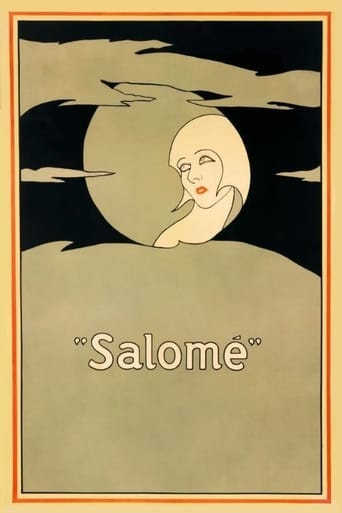
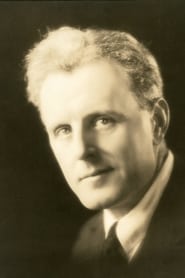
Made his most significant mark during the silent film era. After beginning his career as a stage actor in England, he transitioned to films and eventually moved to Hollywood where he found his greatest success. Bryant is primarily remembered for directing the controversial and artistically ambitious 1922 film Salomé, which starred his wife Alla Nazimova and was based on Oscar Wilde's play. The film was notable for its avant-garde visual style and Art Deco-influenced set design by Natacha Rambova. Despite the artistic merits of Salomé, Bryant's directorial career was relatively brief, spanning primarily the early 1920s. After Salomé's commercial failure, his directing opportunities diminished significantly, though he continued to work in the film industry in various capacities. His legacy remains tied to this single, visually striking but commercially unsuccessful masterpiece of silent cinema.
The Craft
Behind the Camera
Bryant's directing style, as evidenced in Salomé, was highly artistic and experimental. He embraced avant-garde visual techniques, incorporating Art Deco influences and symbolic imagery that pushed the boundaries of conventional filmmaking. His approach was more concerned with artistic expression and visual poetry than commercial appeal.
Milestones
- Directed Salomé (1922)
- Married to silent film star Alla Nazimova
- Transitioned from stage acting to film directing
- Created
Best Known For
Iconic Roles
Must-See Films
Accolades
Special Recognition
- Recognized posthumously for Salomé's contribution to avant-garde cinema
Working Relationships
Worked Often With
Studios
Why They Matter
Impact on Culture
Charles Bryant's most significant cultural impact comes through his direction of Salomé, which has been recognized as a groundbreaking work in avant-garde cinema. The film's experimental visual style, Art Deco influences, and bold artistic choices have influenced generations of filmmakers interested in pushing artistic boundaries. Though commercially unsuccessful, Salomé has been reevaluated by film historians as an important precursor to art cinema and experimental filmmaking.
Lasting Legacy
Bryant's legacy is inextricably linked to Salomé, which has endured as a cult classic and a significant artifact of silent era experimental cinema. While his directing career was brief, this single work has ensured his place in film history as a director willing to take artistic risks. The film's rediscovery and restoration have introduced new generations to Bryant's visionary approach to filmmaking.
Who They Inspired
Bryant's work on Salomé has influenced filmmakers interested in blending visual art with cinema, particularly those working in avant-garde and experimental traditions. His willingness to prioritize artistic vision over commercial appeal has inspired directors who seek to create visually striking and unconventional films.
Off Screen
Charles Bryant married the renowned silent film star Alla Nazimova in 1912, though their marriage was reportedly one of convenience rather than romance, as both were believed to be homosexual. The couple divorced in 1925, around the time Bryant's directing career was declining. After his film career ended, Bryant lived a relatively private life, and little is known about his later years except that he died in 1948 at the age of 69.
Education
Classical stage training in England
Family
- Alla Nazimova (1912-1925)
Did You Know?
- Salomé (1922) was
- The film was considered so controversial that it was heavily censored or banned in many markets
- Bryant was reportedly more of a figurehead director on Salomé, with Nazimova having significant creative control
- Despite being born in America, Bryant spent much of his early career in British theatre
- Salomé featured an all-gay or bisexual cast and crew, though this was not publicly known at the time
- The film's failure financially ruined Nazimova Productions
- Bryant and Nazimova adopted a daughter, Dorothy, though this was kept private
- After his directing career ended, Bryant reportedly worked as a real estate agent
- Salomé was one of the first films to be preserved by the Museum of Modern Art
- The film's distinctive visual style was heavily influenced by Aubrey Beardsley's illustrations of Wilde's play
In Their Own Words
On Salomé: 'We sought to create not just a film, but a moving work of art'
Frequently Asked Questions
Who was Charles Bryant?
American actor and on YTB.my. Though his directing career was brief, he created.
What films is Charles Bryant best known for?
Titles linked here include Salomé (1922), Billions (1920).
When was Charles Bryant born and when did he die?
Born January 8, 1879; died August 7, 1948.
What awards did Charles Bryant win?
Charles Bryant did not receive any major awards during his lifetime. However, his film Salomé has been posthumously recognized by film historians and preservation institutions as an important work of avant-garde cinema, though this recognition came decades after his death.
What was Charles Bryant's directing style?
Bryant's directing style was highly artistic and experimental, particularly evident in Salomé. He incorporated avant-garde visual techniques, Art Deco influences, and symbolic imagery that prioritized artistic expression over commercial appeal. His approach was visionary and ahead of its time, though it was not appreciated by contemporary audiences.
Was Charles Bryant married to Alla Nazimova?
Yes, Charles Bryant was married to silent film star Alla Nazimova from 1912 to 1925. Their marriage was widely believed to be a 'lavender marriage' of convenience, as both were reportedly homosexual. They collaborated professionally on several films, including Salomé, which Nazimova also produced and starred in.