Bert I. Gordon
Director
Born: September 24, 1922 in Kenosha, Wisconsin, USA Active: 1954-2006 Birth Name: Bert Ira Gordon
Films
1 film
About Bert I. Gordon
Bert Ira Gordon, born in 1922 in Kenosha, Wisconsin, became prolific directors of American science fiction and horror cinema during the 1950s and 1960s. After serving in World War II, Gordon began his career making industrial films and documentaries before transitioning to feature films in the mid-1950s. He earned the nickname 'Mr. B.I.G.' both for his initials and his specialization in films featuring giant creatures, a subgenre he essentially pioneered. Gordon's breakthrough came with 'The Amazing Colossal Man' (1957), which established his signature style of low-budget creature features that played on Cold War anxieties about radiation and scientific experimentation. Throughout his career, he directed over 25 feature films, developing innovative techniques for rear projection and optical effects that allowed him to create convincing giant monster sequences on minimal budgets. His most productive period spanned from the late 1950s through the 1970s, though he continued working in film and television well into the 21st century. Gordon's films, while often criticized by mainstream critics, developed a strong cult following and influenced generations of genre filmmakers who appreciated his resourcefulness and dedication to entertaining audiences despite budgetary constraints.
The Craft
Behind the Camera
Known for fast-paced, low-budget science fiction films featuring giant creatures and monsters. Gordon employed innovative rear projection techniques and optical effects to create the illusion of size disparity between humans and creatures. His directing style emphasized spectacle over character development, focusing on the visual impact of his giant monsters while often incorporating Cold War themes about radiation, scientific experimentation, and humanity's hubris. Despite working with minimal budgets, Gordon maintained a professional efficiency that allowed him to complete films quickly while maximizing entertainment value.
Milestones
- Directed 'The Amazing Colossal Man' (1957), his breakthrough film
- Created the giant creature subgenre of 1950s cinema
- Pioneered cost-effective special effects techniques for monster movies
- Directed over 25 feature films spanning five decades
- Received the nickname 'Mr. B.I.G.' for his giant creature films
- Continued directing into his 80s, making him one of Hollywood's longest-working directors
Best Known For
Must-See Films
Accolades
Won
- Lifetime Achievement Award from the Academy of Science Fiction, Fantasy & Horror Films (2004)
Nominated
- Hugo Award nomination for Best Dramatic Presentation for 'The Amazing Colossal Man' (1958)
Special Recognition
- Honored at numerous genre film festivals including the Fantasia Film Festival
- Cult following among science fiction and horror enthusiasts
- Retrospectives of his work held at film archives and museums
Working Relationships
Worked Often With
Studios
Why They Matter
Impact on Culture
Bert I. Gordon significantly shaped American science fiction cinema during the 1950s and 1960s, essentially creating the 'giant creature' subgenre that became a staple of Cold War-era entertainment. His films reflected and amplified societal anxieties about atomic radiation, scientific experimentation, and the unknown consequences of technological progress. Gordon's work influenced generations of filmmakers, proving that compelling entertainment could be created on minimal budgets through creativity and innovation. His movies became cultural touchstones for baby boomers who grew up watching his creature features on television and at drive-in theaters, contributing to the enduring popularity of 1950s science fiction. The techniques he developed for creating giant monster effects on a budget continue to be studied by independent filmmakers today.
Lasting Legacy
Bert I. Gordon's legacy lies in his remarkable productivity and his ability to create entertaining films despite severe budgetary limitations. His work represents the ingenuity and entrepreneurial spirit of independent American filmmaking during the studio system's decline. Gordon's films have gained significant cult status over the decades, with many being restored and released on home video to appreciative new audiences. His influence can be seen in the work of contemporary directors who blend horror with social commentary, as well as in the continued popularity of monster movies in modern cinema. Gordon demonstrated that a filmmaker could build a successful career by identifying and serving a specific audience niche, a lesson that resonates in today's fragmented media landscape.
Who They Inspired
Gordon influenced numerous filmmakers in the horror and science fiction genres, particularly those working in independent and low-budget cinema. His efficient production methods and creative solutions to technical challenges inspired directors like Roger Corman and Sam Raimi. The giant creature subgenre he pioneered continues to appear in modern films, from 'Eight Legged Freaks' to 'Cloverfield', all owing a debt to Gordon's template. His work also influenced television shows like 'The Outer Limits' and 'The Twilight Zone', which adopted similar themes of scientific hubris and monstrous consequences. Gordon proved that compelling stories could be told through spectacle without massive budgets, a principle that continues to guide independent filmmakers today.
Off Screen
Bert I. Gordon married Flora Lang in 1947, and their marriage lasted until her death in 2018. The couple had three children, including their daughter Susan Gordon, who became an actress and appeared in several of her father's films. Gordon was known as a family man who often cast his children in minor roles in his productions. He served in the U.S. Army Air Forces during World War II before pursuing his film career. Despite his association with horror and science fiction, those who knew him described him as a gentle, soft-spoken man who took great pride in his work and maintained positive relationships with his cast and crew throughout his long career.
Education
Graduated from Kenosha High School; self-taught in filmmaking techniques; attended film workshops and studied cinematography independently
Family
- Flora Lang (1947-2018, her death)
Did You Know?
- Nicknamed 'Mr. B.I.G.' for both his initials and his giant creature films
- Often used the same footage of explosions and destruction across multiple films to save money
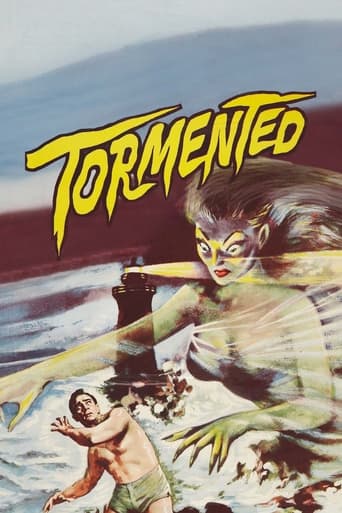
- His daughter Susan Gordon appeared in several of his films including 'Tormented' (1960)
- Many of his films were shot in only 7-10 days
- He frequently used rear projection to create the illusion of giant creatures
- His film 'The Amazing Colossal Man' was later featured on 'Mystery Science Theater 3000'
- He wrote, produced, and directed most of his films
- His films often featured the same basic plot: radiation creates giant creatures that terrorize communities
- He continued directing well into his 80s, making him one of Hollywood's oldest working directors
- His films were often retitled for different markets, sometimes having three or four different names
In Their Own Words
I've always been fascinated by size. Big things, little things, the contrast between them
You don't need a big budget to make a big movie
The audience doesn't care how you did it, they just want to be entertained
Radiation was the best thing that ever happened to my movies
I made films for the drive-in audience, and they loved them
Frequently Asked Questions
Who was Bert I. Gordon?
American on YTB.my. Active from the 1950s through the 2000s, he earned the nickname 'Mr. B.I.G.' for his specialization in movies about oversized monsters and became a cult figure among genre film enthusiasts.
What films is Bert I. Gordon best known for?
Titles linked here include The Amazing Colossal Man (1957), Earth vs. The Spider (1958).
When was Bert I. Gordon born and when did he die?
Born September 24, 1922; died death date not listed.
What awards did Bert I. Gordon win?
While Gordon didn't receive mainstream industry awards like Oscars, he received a Lifetime Achievement Award from the Academy of Science Fiction, Fantasy & Horror Films in 2004. His films have been honored at numerous genre film festivals, and he has developed a significant cult following among science fiction and horror enthusiasts.
What was Bert I. Gordon's directing style?
Gordon's directing style focused on fast-paced, low-budget science fiction films featuring giant creatures. He pioneered cost-effective special effects techniques using rear projection and optical effects to create the illusion of size disparity. His films emphasized spectacle over character development and often incorporated Cold War themes about radiation and scientific hubris.
How did Bert I. Gordon create his giant creature effects?
Gordon developed innovative techniques using rear projection, forced perspective photography, and optical printing to create the illusion of giant creatures. He often combined actors with miniature sets and used double exposure techniques. Despite working with minimal budgets, his creative solutions produced memorable monster sequences that have become his trademark.
What is Bert I. Gordon's legacy in cinema?
Gordon's legacy lies in his work in the giant creature subgenre and his demonstration of how to create entertaining films on minimal budgets. His work influenced generations of independent filmmakers and continues to be celebrated by genre film enthusiasts. His films represent the ingenuity of 1950s independent cinema and remain beloved cult classics today.