
Lina Romay
Actor
Born: January 16, 1919 in Brooklyn, New York, USA Died: December 17, 2010 Active: 1946-1960s Birth Name: Maria Elena Romay
Films
2 films
About Lina Romay
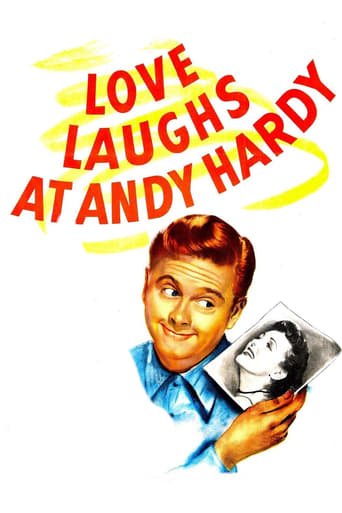
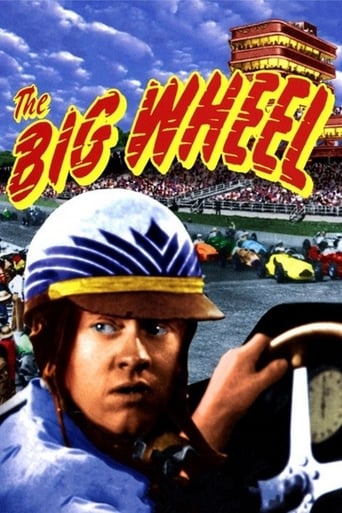
Mexican-American actress and singer who rose to fame during the Golden Age of Hollywood as a contract player at MGM. Born Maria Elena Romay in 1919, she began her entertainment career as a vocalist with the renowned Xavier Cugat orchestra, where her sultry Latin style and bilingual abilities made her a standout performer. MGM signed her in 1946, capitalizing on the wartime interest in Latin culture, and cast her in several prominent supporting roles, often utilizing her singing talents in musical numbers. Her film career, though brief, included appearances in notable productions such as 'Love Laughs at Andy Hardy' (1946) alongside Mickey Rooney and 'The Big Wheel' (1949) with Mickey Rooney again. After her film career waned in the early 1950s, Romay transitioned successfully to television, becoming one of the first Latina TV personalities as a regular on 'The Milton Berle Show' and later hosting her own programs. She continued performing in nightclubs and on television throughout the 1950s and 1960s, maintaining her status as a beloved entertainer. Romay's career exemplified the opportunities and limitations faced by Latina performers in classical Hollywood, where her exotic appeal was both an asset and a typecasting constraint.
The Craft
On Screen
Romay specialized in playing the 'exotic Latin' archetype common in 1940s Hollywood, often portraying sultry, sophisticated women with musical abilities. Her performances combined natural charm with polished studio technique, though her roles rarely allowed for deep character development beyond the stereotypical 'spicy' Latina persona. She brought authenticity to her musical numbers, showcasing her trained vocal abilities and natural rhythm.
Milestones
- Signed as MGM contract player in 1946
- Lead vocalist with Xavier Cugat orchestra
- Regular performer on 'The Milton Berle Show'
- Starred in 'The Gay Ranchero' (1948)
- Hosted television shows in the 1950s
Best Known For
Iconic Roles
Must-See Films
Accolades
Special Recognition
- Star on Hollywood Walk of Fame for Television
- Pioneer Latina Entertainer recognition
Working Relationships
Worked Often With
Studios
Why They Matter
Impact on Culture
Lina Romay represented both the opportunities and limitations faced by Latina performers in classical Hollywood. As one of the few Latina contract players at a major studio during the 1940s, she helped pave the way for greater Hispanic representation in American entertainment, though often within the constraints of stereotypical casting. Her success transitioning from film to television demonstrated adaptability and business acumen rare among performers of her era. Romay's bilingual abilities and cultural authenticity made her an important bridge between Latin and American popular culture during a period of increasing cross-cultural exchange.
Lasting Legacy
Lina Romay's legacy lies primarily in her role as a trailblazer for Latina performers in American media. While her film career was relatively brief and typecast, her successful transition to television made her one of the first recognizable Latina faces on American TV screens. Her work with Xavier Cugat helped popularize Latin music in mainstream America during the 1940s. Romay's career trajectory—from orchestra singer to film star to television personality—exemplified the evolving entertainment landscape of mid-20th century America and the increasing opportunities for performers from diverse backgrounds.
Who They Inspired
Romay influenced subsequent generations of Latina performers by demonstrating that success in Hollywood was possible, even within the limitations of the era. Her ability to maintain a career across multiple media platforms—film, television, and live performance—provided a model for future entertainers seeking longevity in show business. Her bilingual performances helped normalize Spanish-language elements in mainstream American entertainment, contributing to the gradual acceptance of multicultural content in popular media.
Off Screen
Lina Romay was married three times throughout her life. Her first marriage was to Dr. John T. Belcher in 1946, which ended in divorce. She later married businessman Jon H. Hall in 1950, with whom she had two children, before their divorce. Her final marriage was to television producer Raleigh Wells in 1961, which lasted until his death in 1990. Romay was known for maintaining her privacy regarding her family life while being open about her pride in her Mexican heritage and her role as a pioneer for Latina performers in American entertainment.
Education
Studied music and voice in New York City before joining Xavier Cugat's orchestra
Family
- Dr. John T. Belcher (1946-1948)
- Jon H. Hall (1950-1959)
- Raleigh Wells (1961-1990)
Did You Know?
- Her father was a Mexican diplomat, which gave her dual citizenship
- She was discovered by Xavier Cugat while performing in a New York nightclub
- MGM promoted her as their answer to Carmen Miranda
- She was fluent in both English and Spanish
- Her singing voice was considered more authentic than many 'Latin' performers of the era
- She retired from performing in the early 1960s to focus on family
- She appeared on over 50 television episodes during the 1950s
- Her Hollywood Walk of Fame star is located at 1630 Vine Street
- She was one of the first Latina performers to have a regular television presence
- Despite being typecast, she often negotiated for more substantial roles in her contracts
In Their Own Words
In Hollywood, they wanted me to be more Mexican than the Mexicans and more American than the Americans. It was a difficult balance to maintain.
Music was my first love, and acting was something that came along with it. I never stopped being a singer, even when I became an actress.
Being a Latina in the 1940s meant you were exotic, but it also meant you were limited. I tried to push those boundaries whenever I could.
Frequently Asked Questions
Who was Lina Romay?
Mexican-American actress and singer who worked as an MGM contract player in the 1940s, best known for her roles in musical films and later as a television personality during the early days of TV.
What films is Lina Romay best known for?
Titles linked here include Love Laughs at Andy Hardy (1946), The Big Wheel (1949).
When was Lina Romay born and when did she die?
Born January 16, 1919; died December 17, 2010.
What awards did Lina Romay win?
While she didn't receive major acting awards during her career, she was honored with a star on the Hollywood Walk of Fame for her contributions to television and is recognized as a pioneer for Latina performers.
What was Lina Romay's acting style?
Romay specialized in playing the 'exotic Latin' archetype common in 1940s Hollywood, bringing natural charm and musical authenticity to roles that often showcased her singing abilities and bilingual talents.