
Frank Leigh
Actor
Born: June 8, 1871 in London, England Died: December 15, 1943 Active: 1913-1931
Films
3 films
About Frank Leigh
Character actor of the silent film era, born in London, England, who built an impressive career spanning over two decades in American cinema. After beginning his acting career on the British stage, Leigh immigrated to the United States and transitioned to motion pictures in the early 1910s, quickly establishing himself as a reliable supporting actor. His imposing stature and commanding presence made him particularly effective in roles as villains, aristocrats, and authority figures, appearing in more than 150 films throughout his career. Leigh worked prolifically during the golden age of silent cinema, collaborating with numerous prominent directors and starring alongside many of the era's biggest names. He successfully navigated the transition from silent films to early talkies, though his career began to wane as sound cinema evolved. His final film appearances were in the early 1930s, after which he retired from the screen, leaving behind a substantial body of work that exemplifies the character acting craft of early Hollywood.
The Craft
On Screen
Frank Leigh was known for his commanding screen presence and theatrical acting style typical of the silent era. He utilized his tall, imposing physique to great effect, often portraying villains, aristocrats, or figures of authority with gravitas and menace. His performances were characterized by exaggerated gestures and intense facial expressions that effectively conveyed emotion without dialogue. Leigh had a particular talent for playing sophisticated antagonists, bringing a sense of refinement and menace to his villainous roles. His stage background informed his film work, resulting in performances that were both dramatic and technically precise.
Milestones
- Appeared in over 150 films during silent era and early talkies
- Established himself as a reliable villain and authority figure in Hollywood
- Successfully transitioned from silent films to sound pictures
- Worked with major studios including Paramount, Universal, and Fox
- Collaborated with prominent directors of the era such as Jack Conway and Irvin Willat
Best Known For
Iconic Roles
Must-See Films
Working Relationships
Worked Often With
Studios
Why They Matter
Impact on Culture
Frank Leigh contributed significantly to the development of character acting in early Hollywood cinema, helping establish the archetype of the sophisticated villain that would become a staple of American film. His work exemplified the transition from theatrical performance styles to more naturalistic screen acting that occurred during the silent era. Leigh's prolific output and consistent quality made him a valuable asset to the studio system, demonstrating the importance of reliable supporting actors in building successful film productions. His ability to portray authority figures and antagonists with nuance helped elevate the quality of numerous productions during the golden age of silent cinema.
Lasting Legacy
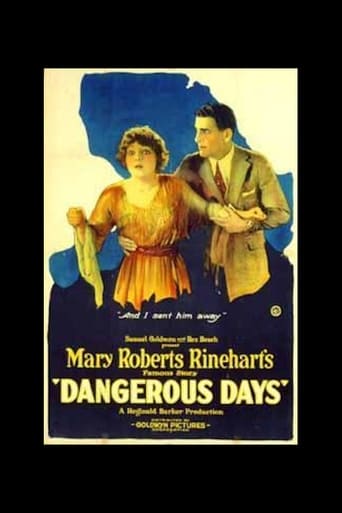
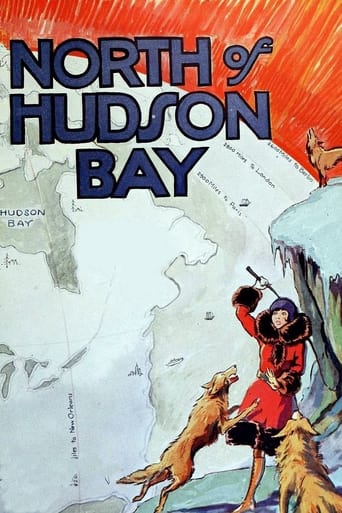
Frank Leigh's legacy lies in his substantial contribution to silent era cinema as. With over 150 film appearances, he exemplified the working actor who formed the backbone of Hollywood's studio system. His performances in films like 'Dangerous Days' and 'North of Hudson Bay' remain valuable examples of silent era acting techniques and the evolution of screen performance. While not a household name like leading stars of his era, Leigh's work continues to be studied by film historians and preservationists as representative of the craft of character acting in early American cinema.
Who They Inspired
Leigh influenced subsequent generations of character actors through his professional approach and versatility in playing various types of antagonistic roles. His technique of combining physical presence with subtle emotional cues provided a template for actors specializing in villainous roles. While he didn't mentor specific actors directly, his body of work served as an example for performers entering the film industry during the transition to sound. Leigh demonstrated how character actors could build sustainable careers by developing reliable screen personas and maintaining professional relationships across multiple studios and productions.
Off Screen
Private individual who kept his personal life largely out of the public eye, which was common for character with credits in this catalog. He immigrated from England to the United States in the early 1910s, seeking opportunities in the burgeoning film industry. He eventually settled in Los Angeles, where he lived until his death. Leigh was known among his colleagues as a professional and reliable actor who took his craft seriously. He never married and had no children, dedicating his life entirely to his acting career. In his later years, after retiring from films, he lived quietly in Los Angeles, occasionally attending film industry events and reunions.
Education
Educated in England; likely received formal theatrical training typical of British stage actors of the Victorian era
Did You Know?
- Appeared in Cecil B. DeMille's epic 'The Ten Commandments' (1923) in a supporting role
- Was one of the few British actors to successfully transition from English stage to American silent films
- His active years covered the entire golden age of silent cinema, from early 1910s to the transition to sound
- Often cast against type in occasional sympathetic roles, showcasing his range as an actor
- Worked with some of the biggest stars of the silent era including Rudolph Valentino and Douglas Fairbanks
- Maintained his English accent throughout his American film career, adding authenticity to his aristocratic roles
- Survived the major transition from silent films to talkies when many character actors saw their careers end
- Was known for his professionalism and reliability, rarely missing shooting schedules
- His imposing height (over 6 feet) made him particularly effective in physically intimidating roles
- Retired from acting just as the Great Depression began impacting Hollywood production
In Their Own Words
The villain is often the most interesting character in a story - he has reasons for what he does, even if those reasons are twisted.
Frequently Asked Questions
Who was Frank Leigh?
Screen credits include over 150 films during the silent era and early sound period. He was known for his imposing presence and frequent portrayals of villains and authority figures in Hollywood productions from 1913 to 1931.
What films is Frank Leigh best known for?
Titles linked here include Dangerous Days (1920), North of Hudson Bay (1923).
When was Frank Leigh born and when did he die?
Born June 8, 1871; died December 15, 1943.
What awards did Frank Leigh win?
Frank Leigh did not receive any major awards or nominations during his career, which was common for character actors of the silent era. His recognition came from his consistent work and reputation as a reliable supporting actor in the studio system.
What was Frank Leigh's acting style?
Leigh's acting style was characteristic of the silent era, featuring dramatic gestures and intense facial expressions. He utilized his tall, imposing physique to play villains and authority figures with gravitas, bringing theatrical training to his screen performances.
How did Frank Leigh transition from silent films to talkies?
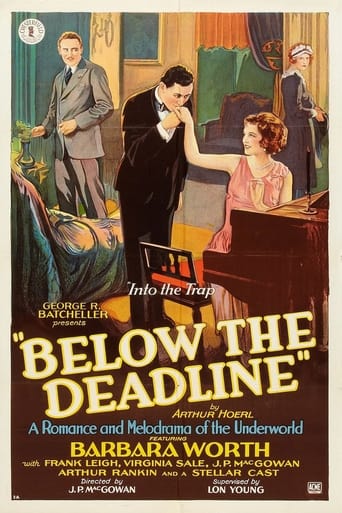
Frank Leigh successfully navigated the transition to sound films, appearing in early talkies like 'Below the Deadline' (1929). His stage background and clear diction helped him adapt, though his career began to decline as the film industry evolved in the early 1930s.