Films
2 films
About Fritz Weidemann
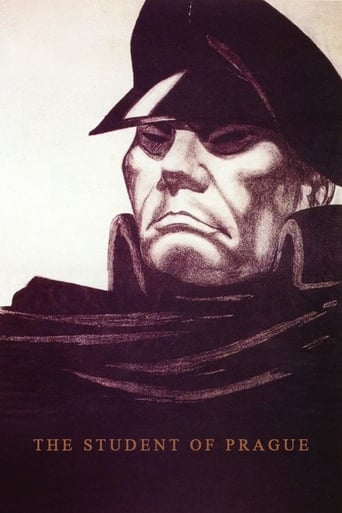
Fritz Weidemann appears once in this catalog: The Student of Prague (1913). Specifically in the landmark 1913 film 'The Student of Prague.' His career, though brief, coincided with the birth of German Expressionist cinema and the transition from theatrical to film acting styles. Weidemann was part of the early wave of stage actors who transitioned to the new medium of motion pictures, a time when acting techniques were still being developed for the camera. His appearance in 'The Student of Prague' placed him at the forefront of what would become one of Germany's most influential cinematic movements. The film itself was as one of the first German art films and a precursor to German Expressionism. Unfortunately, like many actors from this very early period of cinema, detailed records of his life and career are scarce, and he appears to have had a very brief film career that lasted only through 1913.
The Craft
On Screen
As an actor from the earliest days of German cinema, Weidemann likely employed theatrical acting techniques adapted for the silent screen, using exaggerated gestures and facial expressions to convey emotion without dialogue
Milestones
- Appeared in the groundbreaking German film 'The Student of Prague' (1913)
- Participated in one of the earliest examples of German Expressionist cinema
Best Known For
Iconic Roles
Must-See Films
Working Relationships
Worked Often With
Studios
Why They Matter
Impact on Culture
Fritz Weidemann's contribution to cinema, while limited to a single known film, places him within the historical context of German cinema's birth. 'The Student of Prague' was revolutionary for its time, being one of the first German art films and a precursor to German Expressionism. The film's exploration of duality and psychological themes would influence countless later works in German and international cinema. By participating in this groundbreaking production, Weidemann became part of a pivotal moment in film history when cinema was transitioning from simple novelty to sophisticated artistic expression.
Lasting Legacy
Fritz Weidemann's legacy is intrinsically tied to his participation in 'The Student of Prague,'. While his personal legacy may not be widely documented, his contribution to this seminal work ensures his place in the annals of film history. The film itself continues to be studied by film scholars as a crucial example of early German cinema and a precursor to the Expressionist movement that would dominate German film in the 1920s.
Who They Inspired
Due to his brief career in the earliest days of cinema, Fritz Weidemann's direct influence on other actors or filmmakers is not well documented. However, his participation in 'The Student of Prague' contributed to a film that would influence generations of filmmakers, particularly in its use of psychological themes and visual storytelling techniques that would become hallmarks of German Expressionism.
Off Screen
Very little is documented about Fritz Weidemann's personal life, which was common for actors from the earliest days of cinema who often had brief careers and limited public documentation.
Did You Know?
- 'The Student of Prague' (1913) is considered one of the first German art films and a precursor to German Expressionism
- The film was directed by Stellan Rye and starred Paul Wegener in the lead role
- The film's theme of a doppelgänger was groundbreaking for its time and would become a recurring motif in German cinema
- 1913 was a pivotal year for German cinema, marking the transition from short films to feature-length productions
- Many actors from this very early period of German cinema have incomplete biographical records
- The film was produced by Decla Film-Gesellschaft, one of Germany's early film production companies
- Silent era actors like Weidemann had to develop entirely new acting techniques for the camera medium
Frequently Asked Questions
Who was Fritz Weidemann?
Screen credits include the groundbreaking 1913 film 'The Student of Prague.' His career appears to have been brief, limited to the early days of German cinema when the art form was still developing.
What films is Fritz Weidemann best known for?
Titles linked here include The Student of Prague (1913).
When was Fritz Weidemann born and when did he die?
Unfortunately, specific birth and death dates for Fritz Weidemann are not documented, which was common for many actors from the earliest days of cinema who had brief careers and limited public records.
What awards did Fritz Weidemann win?
Fritz Weidemann did not receive any documented awards, as he was active in 1913, well before most formal film award ceremonies were established in Germany or internationally.
What was Fritz Weidemann's acting style?
As an actor from 1913, Weidemann likely employed theatrical acting techniques adapted for silent cinema, using exaggerated gestures and facial expressions typical of early film actors who were transitioning from stage to screen performance.
What is the significance of 'The Student of Prague'?
'The Student of Prague' is historically significant as one of the first German art films and a precursor to German Expressionism. The film explored themes of duality and psychology that would influence countless later works in cinema.