Mark Fenton
Actor
Born: November 11, 1866 in Crestline, Ohio, USA Died: July 4, 1925 Active: 1915-1925
Films
2 films
About Mark Fenton
Mark Fenton performed in over 200 films during his decade-long career. Born in Ohio in 1866, Fenton began his film career in his late 40s, bringing a mature presence and theatrical gravitas to the burgeoning Hollywood industry. He worked extensively with major studios including Universal, Fox Film Corporation, and Paramount Pictures, often portraying paternal figures, judges, doctors, and other authority roles that required dignity and reliability. His appearance and commanding screen presence made him an invaluable supporting actor in numerous productions throughout the 1910s and early 1920s. Fenton's a crucial transitional period in American cinema, from short one-reelers to elaborate feature-length productions. He collaborated with many of the era's most significant directors and stars, including appearances in films with Douglas Fairbanks, Mary Pickford, and Rudolph Valentino. Despite his extensive filmography and consistent work, Fenton remained primarily a character actor, never achieving leading man status but becoming a familiar and respected face to silent film audiences worldwide.
The Craft
On Screen
Mark Fenton's acting style was rooted in theatrical tradition, characterized by a dignified, authoritative presence that translated well to silent film. He excelled at portraying paternal figures, judges, doctors, and businessmen, using subtle gestures and expressive facial techniques to convey complex emotions without dialogue. His performances were marked by a natural gravitas and reliability that made him believable in authority roles. Fenton employed the exaggerated yet controlled gestures typical of silent era acting, but with a restraint that suggested his stage background. He had a particular talent for conveying wisdom, concern, or stern disapproval through minimal but precise movements and expressions.
Milestones
- Appeared in over 200 silent films
- Worked with major studios Universal, Fox, and Paramount
- Collaborated with director John Ford on multiple films
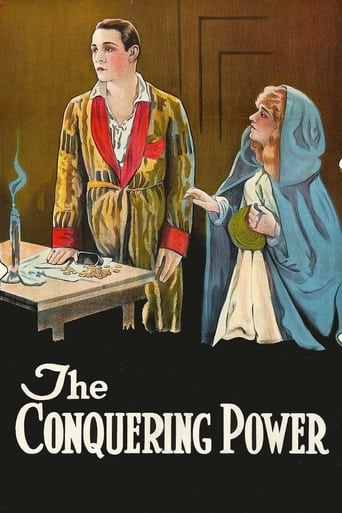
- Appeared in Rudolph Valentino's 'The Conquering Power' (1921)
- Transitioned from stage to film during silent era boom
- Became one of Hollywood's most recognizable character actors
Best Known For
Iconic Roles
Must-See Films
Working Relationships
Worked Often With
Studios
Why They Matter
Impact on Culture
Mark Fenton represents the crucial but often overlooked character actors who formed the backbone of silent era cinema. His extensive filmography provides a valuable record of the types of supporting roles that gave early films their depth and authenticity. As. His work with directors like John Ford contributed to the development of visual storytelling techniques that would define Hollywood's golden age. Fenton's career trajectory, from stage to film during cinema's formative years, exemplifies the broader cultural shift as motion pictures became America's dominant entertainment medium.
Lasting Legacy
Mark Fenton's legacy lies in his contribution to the foundation of American character acting in cinema. While never a star, his consistent presence in over 200 films helped establish the importance of reliable supporting actors in Hollywood's studio system. His performances in films with legendary figures like Valentino and Fairbanks provide modern film historians with valuable examples of silent era acting techniques. Fenton's work ethic and versatility demonstrated the professional standards that would become expected of character actors throughout Hollywood's history. His filmography serves as an important resource for understanding the evolution of American cinema from its primitive beginnings to sophisticated narrative filmmaking.
Who They Inspired
Mark Fenton influenced subsequent generations of character actors by demonstrating how a distinctive screen presence and reliability could lead to a long career without achieving stardom. His ability to portray authority figures with authenticity helped establish templates for future actors in similar roles. The professionalism and consistency he brought to his hundreds of performances set standards for character actors in the studio system era. While he didn't mentor specific individuals directly, his body of work provided examples for actors studying silent film techniques and character development.
Off Screen
Mark Fenton maintained a relatively private personal life despite his extensive film career. Born in the post-Civil War era in Ohio, he came to acting later in life, suggesting he may have had another career before entering films. His decision to pursue film acting in his late 40s indicates either a prior theatrical background or a significant life change that drew him to the emerging motion picture industry. Fenton's career was cut short by his death at age 58 in 1925, just as the film industry was transitioning to sound.
Did You Know?
- Appeared in over 200 films in just 10 years
- Began his film career at age 49
- Worked with both Douglas Fairbanks and Rudolph Valentino
- Died just before the transition to sound films
- Often played the same type of character roles
- Was a favorite of director John Ford
- His film active years covered the entire silent era boom
- Never received on-screen credit in many of his early films
- Appeared in both short subjects and feature films
- Worked with virtually every major studio of the silent era
Frequently Asked Questions
Who was Mark Fenton?
Screen credits include over 200 films between 1915 and 1925. He was known for playing authoritative figures such as judges, fathers, doctors, and businessmen, working with major studios and stars of the time.
What films is Mark Fenton best known for?
Titles linked here include The Conquering Power (1921), The Prisoner of Zenda (1922).
When was Mark Fenton born and when did he die?
Born November 11, 1866; died July 4, 1925.
What awards did Mark Fenton win?
Mark Fenton did not receive any major formal awards or nominations during his career, which was typical for character actors of the silent era who often worked without recognition despite their extensive contributions.
What was Mark Fenton's acting style?
Mark Fenton's acting style was characterized by a dignified, authoritative presence rooted in theatrical tradition. He excelled at portraying paternal figures and authority roles using subtle gestures and expressive facial techniques typical of silent era acting, but with notable restraint and gravitas.