Ernest Milton
Actor
Born: 1890 in England, United Kingdom Died: 1974 Active: 1910s-1950s
Films
1 film
About Ernest Milton
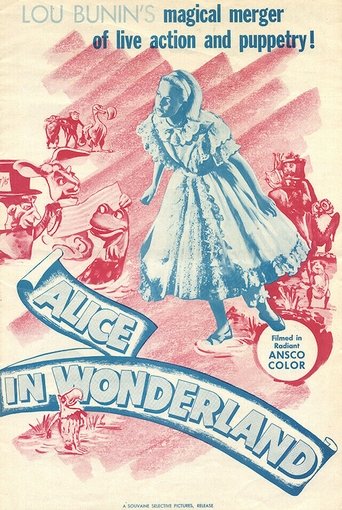
Ernest Milton is credited on a single production — Alice in Wonderland (1949). Born in 1890, Milton established himself as one of Britain's most respected stage actors during the early to mid-20th century, known particularly for his Shakespearean performances. His transition to film was limited but notable, with his most memorable screen appearance being as the King of Hearts in the 1949 British adaptation of 'Alice in Wonderland.' Throughout his career, Milton was renowned for his commanding presence and classical training, bringing theatrical gravitas to every role he undertook. Despite his limited filmography, he maintained a successful stage career well into the 1950s, appearing in numerous West End productions. His contribution to British theater was significant, and he was regarded excelled in classical acting technique. Milton passed away in 1974, leaving behind a legacy primarily rooted in his theatrical achievements rather than his film work.
The Craft
On Screen
Classical theatrical technique with emphasis on diction and stage presence, bringing traditional Shakespearean training to both stage and screen performances
Milestones
- Stage career spanning over four decades
- King of Hearts in Alice in Wonderland (1949)
- Extensive Shakespearean repertoire
- West End theater productions
- Classical acting mastery
Best Known For
Iconic Roles
Must-See Films
Accolades
Special Recognition
- Recognition as one of Britain's leading classical stage actors
Working Relationships
Worked Often With
Studios
Why They Matter
Impact on Culture
Ernest Milton's cultural impact was primarily felt in British theater rather than cinema, where he helped maintain the tradition of classical acting during a period of significant change in performing arts. His work represented the bridge between Victorian theatrical traditions and modern acting styles, preserving classical techniques while adapting to contemporary audiences. His appearance in 'Alice in Wonderland' (1949) brought his theatrical gravitas to a wider film audience, showcasing how classical training could enhance screen performances. Milton contributed to the cultural prestige of British theater during its golden age, helping establish London as the world's theatrical capital.
Lasting Legacy
Ernest Milton's legacy endures primarily through his contributions to British classical theater, where he is remembered excelled in Shakespearean performance and traditional acting technique. While his film work was limited, his role in the 1949 'Alice in Wonderland' remains proof of his ability to translate stage charisma to screen performance. His career exemplifies the dedication to craft that characterized the British theatrical tradition, influencing generations of actors who followed. Milton represents an era when classical training was paramount, and his work helped preserve these techniques for future performers. His legacy is that of a consummate professional who brought dignity and depth to every role, whether on stage or screen.
Who They Inspired
Ernest Milton influenced British theater through his commitment to classical acting techniques and his mastery of Shakespearean performance. His approach to character development and textual interpretation served as a model for younger actors entering the profession. While not a film star, his work demonstrated how theatrical training could enhance screen performances, influencing the crossover between stage and cinema. His dedication to craft and professionalism set standards for theatrical excellence in Britain during the mid-20th century.
Off Screen
Ernest Milton maintained a relatively private personal life, with most public attention focused on his professional theatrical achievements rather than his private affairs. He was part of the British theatrical establishment during the golden age of British theater.
Education
Classical theatrical training, likely through traditional British theater apprenticeship system
Did You Know?
- Primarily known as a stage actor rather than a film star
- His film career was extremely limited compared to his extensive stage work
- Appeared as the King of Hearts in the 1949 British adaptation of Alice in Wonderland
- Was part of the golden age of British theater in the early to mid-20th century
- Known for his Shakespearean performances on stage
- Represented the classical British acting tradition
- Maintained a career spanning over four decades in live theater
- His screen appearance in Alice in Wonderland showcased his theatrical gravitas
- Was active during the transition from silent films to talkies, though primarily in theater
- Considered part of the establishment of British classical acting
Frequently Asked Questions
Who was Ernest Milton?
British with credits in this catalog.' He was celebrated for his classical acting technique and contributions to British theater during the mid-20th century.
What films is Ernest Milton best known for?
Titles linked here include Alice in Wonderland (1949).
When was Ernest Milton born and when did he die?
Born 1890; died 1974.
What awards did Ernest Milton win?
While specific awards for Ernest Milton are not well-documented, he was widely recognized as one of Britain's leading classical stage actors and received acclaim for his theatrical performances, particularly in Shakespearean roles.
What was Ernest Milton's acting style?
Ernest Milton's acting style was rooted in classical theatrical technique, with emphasis on precise diction, commanding stage presence, and traditional Shakespearean interpretation. He brought theatrical gravitas and classical training to both his stage and screen performances.
Was Ernest Milton primarily a stage or film actor?
Ernest Milton was primarily a stage actor with an extensive theatrical career spanning over four decades. His film work was minimal, with his most notable screen role being in 'Alice in Wonderland' (1949), but his reputation was built on his stage performances.
What was Ernest Milton's contribution to British theater?
Ernest Milton contributed significantly to British theater by maintaining classical acting traditions during a period of change, excelling in Shakespearean productions, and helping establish the prestige of West End theater during its golden age.