Jack Perrin
Actor
Born: July 25, 1896 in Three Rivers, Michigan, USA Died: February 17, 1967 Active: 1917-1951 Birth Name: Lyman Wakefield Perrin
Films
2 films
About Jack Perrin
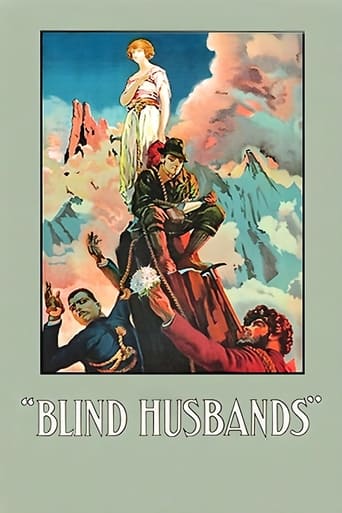
Jack Perrin, born Lyman Wakefield Perrin, was a prolific American actor who became a prominent figure during the silent film era and successfully transitioned into sound films. Beginning his career in 1917, Perrin quickly established himself as a reliable leading man, particularly excelling in Westerns and action-adventure films throughout the 1920s. His performance in Erich von Stroheim's controversial masterpiece 'Blind Husbands' (1919) showcased his dramatic range beyond the typical genre fare he would become known for. During the height of his popularity in the 1920s, he starred in numerous serials and feature films, often portraying rugged, heroic characters that resonated with audiences of the era. As the film industry transitioned to sound, Perrin adapted well, though his roles gradually shifted from leading man to supporting character parts. He continued working steadily through the 1930s and 1940s, appearing in over 300 films throughout his career before retiring from acting in the early 1950s. His extensive body of work represents a significant contribution to American cinema, particularly in the Western genre during its formative years.
The Craft
On Screen
Perrin was known for his naturalistic acting style that evolved with the changing times of cinema. In his silent film work, he employed expressive physicality and emotive facial expressions typical of the era, but with a subtlety that set him apart from more melodramatic performers. His screen presence was characterized by a rugged authenticity that made him particularly effective in Western and action roles. As sound films emerged, Perrin adapted his style to incorporate more nuanced vocal performances while maintaining his physical charisma. He had a particular talent for conveying determination and moral integrity through his performances, making him a favorite among audiences seeking straightforward heroic figures.
Milestones
- Breakthrough role in Blind Husbands (1919) directed by Erich von Stroheim
- Leading man in numerous Western films during the 1920s
- Successful transition from silent films to talkies
- Starred in popular film serials including 'The Great Circus Mystery' (1925)
- Appeared in over 300 films throughout his 34-year career
Best Known For
Iconic Roles
Must-See Films
Working Relationships
Worked Often With
Studios
Why They Matter
Impact on Culture
Jack Perrin's active years covered a crucial transitional period in American cinema, from the height of the silent era through the emergence of sound and the Golden Age of Hollywood. His work in Westerns helped establish many of the genre conventions that would define American Western cinema for decades. As one of the many reliable character actors who formed the backbone of Hollywood's studio system, Perrin contributed to hundreds of films that entertained millions of Americans during the first half of the 20th century. His ability to adapt to changing technologies and audience preferences demonstrated the resilience required for longevity in the film industry. While never achieving the superstardom of contemporaries like Tom Mix or Hoot Gibson, Perrin's consistent presence in popular films of his era made him a familiar and trusted figure to movie audiences of his time.
Lasting Legacy
Jack Perrin's legacy lies in his extensive body of work that serves as a valuable record of American cinema's evolution from silent films to talkies. His performances, particularly in Westerns and serials, contributed to the development of genre storytelling techniques that would influence future generations of filmmakers. Today, film historians and silent cinema enthusiasts study his work as an example of the typical leading man of the 1920s who successfully navigated the industry's dramatic changes. His appearance in 'Blind Husbands' ensures his place in cinema history as part of. While largely forgotten by general audiences, Perrin remains an important figure for those studying the breadth and depth of Hollywood's golden age and the many actors who formed its foundation.
Who They Inspired
Perrin's influence was primarily through his work ethic and adaptability rather than through revolutionary acting techniques. He demonstrated to other actors the importance of versatility and the ability to transition between different film formats and genres. His consistent professionalism in hundreds of productions set an example for future generations of character actors about the value of reliability and craft. While he didn't mentor any major stars directly, his career trajectory provided a template for other actors seeking longevity in the rapidly changing film industry of the early 20th century.
Off Screen
Jack Perrin married actress Josephine Hill in 1920, and their marriage lasted until her death in 1950. The couple frequently appeared together in films during the 1920s, forming one of the popular screen couples of the silent era. After Josephine's death, Perrin married Marie Twohig in 1951. He had one child, a son named Jack Perrin Jr., who also briefly worked in the film industry. Perrin was known as a dedicated family man who maintained a relatively private personal life despite his celebrity status. He retired from acting in the early 1950s to focus on his family and personal interests, living out his remaining years in California.
Education
Limited formal education; began working in films as a young man, learning his craft through practical experience in the early Hollywood studio system
Family
- Josephine Hill (1920-1950)
- Marie Twohig (1951-1967)
Did You Know?
- His birth name was Lyman Wakefield Perrin, which he shortened to Jack for his film career
- He appeared in over 300 films throughout his career, making him
- Despite being primarily known for Westerns, his most critically acclaimed role was in the psychological drama 'Blind Husbands'
- He and his wife Josephine Hill were one of the few married couples who both maintained successful acting careers during the silent era
- Perrin — accomplished horseman, which contributed to his success in Western films
- He served in World War I before beginning his film career
- He made a smooth transition to sound films, unlike many of his silent-era contemporaries
- In his later years, he worked primarily as an uncredited extra in major Hollywood productions
- He was a member of the Masonic fraternity and active in various Hollywood charitable organizations
- His final film appearance was in 'The Lone Ranger' (1956) in an uncredited role
In Their Own Words
In the silent pictures, you had to tell the whole story with your eyes and your body. When sound came, it was like learning to act all over again.
Westerns were honest pictures. Good guys were good, bad guys were bad, and audiences knew exactly where they stood.
Working with von Stroheim on 'Blind Husbands' was like going to film school. He demanded perfection from everyone.
I never became a big star, but I made a good living doing what I loved. Not many people can say that.
Frequently Asked Questions
Who was Jack Perrin?
American with credits in this catalog. He appeared in over 300 movies between 1917 and 1951, becoming particularly known for his work in Westerns and action films.
What films is Jack Perrin best known for?
Titles linked here include Blind Husbands (1919), The Great Circus Mystery (1925).
When was Jack Perrin born and when did he die?
Born July 25, 1896; died February 17, 1967.
What awards did Jack Perrin win?
Despite his prolific career spanning over 300 films, Jack Perrin did not receive any major formal awards or nominations. His recognition came primarily from his consistent employment and popularity with audiences during the height of his career.
What was Jack Perrin's acting style?
Perrin's acting style evolved from the expressive physicality required in silent films to a more naturalistic approach in talkies. He was particularly effective in conveying determination and moral integrity, making him ideal for heroic roles in Westerns and action films.