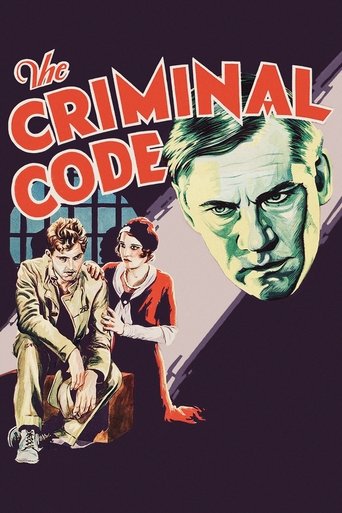

Clark Marshall
Actor
Born: December 8, 1897 in Omaha, Nebraska, USA Died: November 18, 1972 Active: 1919-1937 Birth Name: Joseph Clark Marshall
Films
1 film
About Clark Marshall
Clark Marshall, born Joseph Clark Marshall, was a notable American character actor whose the critical transition from the silent era to the early sound period of Hollywood. Born in Omaha, Nebraska, in 1897, he first entered the film industry in the late 1910s, making his debut in 'The World Aflame' (1919) before appearing in the high-profile silent drama 'The Little Shepherd of Kingdom Come' (1920) alongside Jack Pickford. Marshall — versatile performer who successfully navigated the advent of talkies, often portraying gritty or streetwise characters in urban dramas and crime films. He is perhaps best remembered for his pivotal role as the informant Runch in Howard Hawks' prison drama 'The Criminal Code' (1931), where his character's betrayal serves as the catalyst for the film's violent climax. Throughout the early 1930s, he maintained a steady presence in major studio productions at Columbia and MGM, working with directors like Hawks and stars such as Walter Huston and Boris Karloff. Although his screen appearances became less frequent by the mid-1930s, his contributions to the 'Pre-Code' era of cinema remain a significant part of early 20th-century film history. Marshall eventually retired from the screen and passed away in 1972 in Alexandria, Virginia.
The Craft
On Screen
Marshall was known for a naturalistic and often gritty acting style that suited the hard-boiled atmosphere of early 1930s crime dramas. He excelled at playing 'stool pigeons,' streetwise thugs, or nervous informants, utilizing a tense physical presence and sharp vocal delivery that made him a favorite for directors seeking authentic urban types. His performance in 'The Criminal Code' is particularly noted for its portrayal of desperate cowardice, providing a perfect foil to the stoic 'criminal code' of the other inmates.
Milestones
- Made professional film debut in the silent drama 'The World Aflame' (1919)
- Cast as Harry Dean in the major silent production 'The Little Shepherd of Kingdom Come' (1920)
- Successfully transitioned to sound films with a role in 'The Voice of the City' (1929)
- Portrayed the central antagonist/informant Runch in the classic Pre-Code film 'The Criminal Code' (1931)
- Appeared in the Buster Keaton vehicle 'Sidewalks of New York' (1931)
- Collaborated with director Howard Hawks during the director's early formative sound period
- Maintained a decade-long career through the industry's most volatile technological shifts
Best Known For
Iconic Roles
Must-See Films
Accolades
Special Recognition
- Recognized in film history archives for his role in the development of the early prison film genre
Working Relationships
Worked Often With
Studios
Why They Matter
Impact on Culture
Clark Marshall's work in 'The Criminal Code' contributed to the establishment of the 'prison informant' archetype that became a staple of American crime cinema. His character, Runch, represented the antithesis of the 'honor among thieves' theme that Howard Hawks explored throughout his career. By portraying the consequences of breaking the 'code,' Marshall helped define the moral landscape of the early gangster and prison genres, which were highly influential during the Great Depression era.
Lasting Legacy
Marshall's legacy is preserved through his appearances in several 'lost' or 'rare' films of the early sound era. While he was a supporting player, his presence in landmark films like 'The Criminal Code' ensures his place in the study of Pre-Code Hollywood. Film historians often cite his performance as a key element in the tension-building of early 1930s dramas, and his transition from silent to sound film serves as a representative case study of the era's professional challenges.
Who They Inspired
His portrayal of the 'stool pigeon' influenced later character actors in the film noir era, setting a template for the nervous, high-strung informant character often seen in the works of directors like Jules Dassin or Fritz Lang.
Off Screen
Details of Marshall's personal life remained largely private during his career. He was born in Nebraska and later moved to the East Coast after his Hollywood years, eventually settling in Virginia where he spent his final decades.
Education
Educated in Omaha, Nebraska; later received theatrical training through stock company circuits.
Did You Know?
- His character in 'The Criminal Code' is famously murdered off-screen by Boris Karloff's character, a scene noted for its innovative use of shadow and sound.
- He appeared in 'The Little Shepherd of Kingdom Come' (1920), which is now considered a lost film.
- Marshall worked with the legendary cinematographer James Wong Howe on 'The Criminal Code'.
- Despite his success in early talkies, he often appeared without on-screen billing in his later roles during the mid-1930s.
- He was part of the 'Willard Mack' circle, appearing in several projects written or directed by the famous playwright.
- His film debut in 1919 was in a production that starred Frank Keenan, one of the great stage actors of the time.
- He lived to see the revival of interest in his early work during the first wave of classic film television broadcasts in the 1960s.
In Their Own Words
"I'm telling you, I don't know nothing!" (As Runch in 'The Criminal Code', pleading his innocence to fellow inmates)
"The screws are coming!" (A classic line delivered during the prison break sequence in 'The Criminal Code')
Frequently Asked Questions
Who was Clark Marshall?
American character with credits in this catalog. He is best known for his supporting roles in gritty urban dramas and crime films of the early 1930s.
What is Clark Marshall's most famous movie?
He is most famous for his role in 'The Criminal Code' (1931), directed by Howard Hawks. In this film, he played Runch, a prison informant whose actions lead to a tragic series of events.
Did Clark Marshall act in silent films?
Yes, he began his career in the silent era with notable appearances in 'The World Aflame' (1919) and 'The Little Shepherd of Kingdom Come' (1920).
When did Clark Marshall die?
Clark Marshall passed away on November 18, 1972, in Alexandria, Virginia, at the age of 74.
What was Clark Marshall's acting style?
He was known for playing streetwise, often desperate characters with a high degree of realism. His ability to portray nervous tension made him a frequent choice for roles involving criminals or informants.
Who were Clark Marshall's frequent collaborators?
He worked with major figures of early Hollywood, including director Howard Hawks and actors Walter Huston and Boris Karloff, particularly during his time at Columbia Pictures.