Dickie Moore
Actor
Born: September 12, 1925 in Los Angeles, California, USA Died: September 7, 2015 Active: 1927-1950s Birth Name: John Richard Moore Jr.
Films
2 films
About Dickie Moore
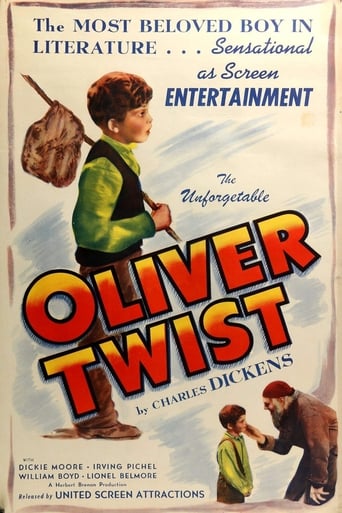
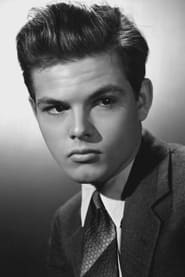
John Richard Moore Jr., known professionally as Dickie Moore, was one of Hollywood's most prolific and beloved child actors of the 1930s and 1940s, appearing in over 100 films during his career. He began acting as an infant in 1927 and quickly became sought-after child performers, known for his natural emotional depth and ability to avoid the overly sentimental style common among child stars. His most role came in 1933 when he portrayed Oliver Twist in the MGM adaptation, famously singing 'Where is Love?' in a performance that captivated audiences and critics alike. Throughout the 1930s, he worked with virtually every major studio and starred alongside Hollywood's biggest names, including Spencer Tracy, Clark Gable, and James Cagney. As he entered his teens, Moore attempted to transition to adult roles but found the transition challenging, as many child actors did during this era. After his acting career diminished in the early 1950s, he successfully reinvented himself as a public relations executive and later became an author, publishing his revealing autobiography 'Twinkle, Twinkle, Little Star (But Don't Have Sex or Take the Car)' in 1984, which provided an unflinching look at the child star experience during Hollywood's Golden Age.
The Craft
On Screen
Dickie Moore was renowned for his naturalistic and emotionally authentic acting style, which set him apart from many child actors of his era who often relied on overly sentimental or precocious performances. He possessed a remarkable ability to convey complex emotions with subtlety and restraint, avoiding the theatrical exaggeration common in early sound cinema. His performances were characterized by a genuine quality that made his characters feel real and relatable, whether playing vulnerable orphans or mischievous youths. Moore's screen presence was marked by an earnest sincerity that allowed him to connect with audiences on an emotional level, particularly in dramatic roles requiring deep emotional expression.
Milestones
- Starred as Oliver Twist in the 1933 MGM adaptation
- Appeared in over 100 films as a child actor
- Worked with every major Hollywood studio during the 1930s
- Transitioned successfully to public relations career after acting
- Published autobiography about child star experience in 1984
Best Known For
Iconic Roles
Must-See Films
Accolades
Won
- Academy Juvenile Award (1933) - Special Award for outstanding performance as Oliver Twist
Special Recognition
- Hollywood Walk of Fame star (1960)
Working Relationships
Worked Often With
Studios
Why They Matter
Impact on Culture
Dickie Moore's portrayal of Oliver Twist in 1933 created an enduring cultural touchstone that influenced how literary adaptations approached child characters for decades. His naturalistic acting style helped pioneer a more authentic approach to child performances in cinema, moving away from the overly theatrical style common in early sound films. The success of Oliver Twist demonstrated the commercial viability of literary adaptations starring children, leading to increased investment in similar projects throughout the 1930s and 1940s. Moore's career trajectory also highlighted the challenges child actors faced in transitioning to adult roles, contributing to broader discussions about the entertainment industry's treatment of young performers.
Lasting Legacy
Dickie Moore remains remembered as. His autobiography provided valuable historical documentation of the child star experience, offering insights that continue to inform contemporary discussions about child performers in entertainment. The emotional authenticity he brought to his roles helped elevate the artistic credibility of child actors in cinema, influencing subsequent generations of young performers. Moore's successful transition to public relations and writing also demonstrated the possibilities for life after child stardom, providing a model for other former child actors seeking new career paths.
Who They Inspired
Moore's naturalistic acting approach influenced subsequent generations of child actors, including performers like Mickey Rooney and Margaret O'Brien, who similarly emphasized emotional authenticity over theatricality. His work in Oliver Twist set a standard for literary adaptations that prioritized genuine emotional connection over melodrama. The candid nature of his autobiography encouraged other former child stars to speak openly about their experiences, contributing to greater awareness of the unique challenges faced by young performers in Hollywood. His successful career transition also demonstrated that child actors could find fulfillment and success beyond their early entertainment careers.
Off Screen
Dickie Moore married actress and singer Jane Powell in 1954, in what was considered a high-profile Hollywood union. Their marriage lasted nine years before ending in divorce in 1963, during which time they had two children together. After leaving acting, Moore successfully transitioned to a career in public relations, working for major corporations and demonstrating his versatility beyond entertainment. In his later years, he became an author, penning his candid autobiography that offered insights into the challenges and experiences of being a child star during Hollywood's Golden Age. Moore spent his final years in Connecticut, where he passed away just five days before his 90th birthday in 2015.
Education
Attended Los Angeles schools while working as a child actor, later studied at Stanford University briefly before pursuing his entertainment career
Family
- Jane Powell (1954-1963)
Did You Know?
- Was one of the few child actors to receive an Academy Award (Special Juvenile Award) for his performance
- Began his career at age 2, appearing as an infant in silent films
- Appeared in over 100 films before turning 20
- His famous song 'Where is Love?' from Oliver Twist became a standard and was covered by many artists
- Was paid $1,000 per week at the height of his child stardom - equivalent to over $20,000 today
- His autobiography title was inspired by advice his mother gave him about avoiding the pitfalls of child fame
- Worked with virtually every major star of the 1930s, including Clark Gable, Spencer Tracy, and James Cagney
- Was considered for the role of Beau Wilkes in 'Gone with the Wind' but lost it to another child actor
- His performance in Oliver Twist was so acclaimed that it was used in acting schools as an example of natural child acting
- Retired from acting in his early 20s to pursue education and other career opportunities
In Their Own Words
On being a child actor: 'We were little adults. We had to be on time, know our lines, and behave professionally. There was no room for being a child.'
On his Oliver Twist performance: 'I wasn't acting. I was Oliver. I felt his hunger, his loneliness, his hope.'
From his autobiography: 'Twinkle, twinkle, little star' was what my mother always told me. 'But don't have sex or take the car.' That was her advice for surviving child stardom.'
On transitioning to adult roles: 'The audience doesn't want to see the little boy they loved grow up and kiss girls. They want you to stay young forever.'
Frequently Asked Questions
Who was Dickie Moore?
Prominent American child with credits in this catalog. He appeared in over 100 films and was renowned for his naturalistic acting style that set him apart from other child performers of his era.
What films is Dickie Moore best known for?
Titles linked here include Oliver Twist (1933), So Red the Rose (1935).
When was Dickie Moore born and when did he die?
Born September 12, 1925; died September 7, 2015.
What awards did Dickie Moore win?
Dickie Moore received a Special Academy Juvenile Award in 1933 for his outstanding performance as Oliver Twist. He also received a star on the Hollywood Walk of Fame in 1960 in recognition of his contributions to the film industry.
What was Dickie Moore's acting style?
Dickie Moore was known for his naturalistic and emotionally authentic acting style, avoiding the overly sentimental performances common among child actors of his time. He conveyed complex emotions with subtlety and restraint, creating characters that felt genuine and relatable to audiences.
Did Dickie Moore have a successful career as an adult actor?
Like many child actors, Dickie Moore struggled to transition to adult roles and his acting career diminished in the early 1950s. However, he found success in other fields, working as a public relations executive and later becoming an author, publishing his autobiography in 1984.
Who did Dickie Moore marry?
Dickie Moore married actress and singer Jane Powell in 1954. Their high-profile Hollywood marriage lasted nine years and produced two daughters before ending in divorce in 1963.