E. Mason Hopper
Director
Born: December 6, 1887 in New York City, New York, USA Died: January 24, 1967 Active: 1925-1932 Birth Name: Edward Mason Hopper
Films
4 films

About E. Mason Hopper
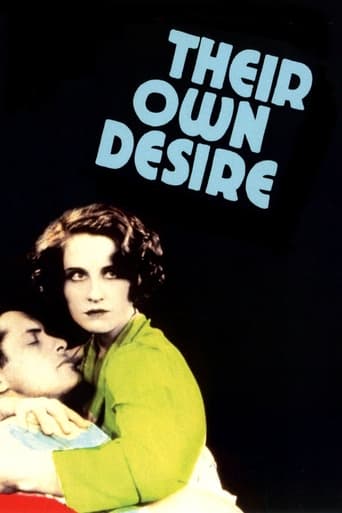
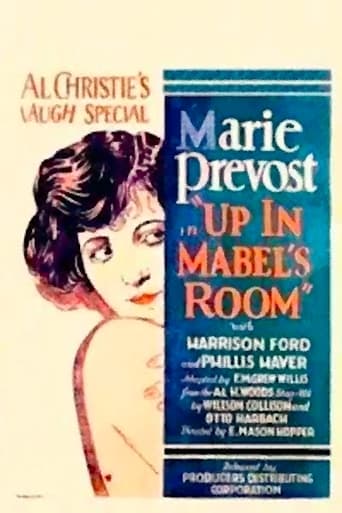
Edward Mason Hopper — American film director who worked during the pivotal transition from silent films to sound in the late 1920s. Beginning his directorial career in the mid-1920s, Hopper quickly established himself as a capable filmmaker at major Hollywood studios, particularly MGM. His 1926 comedy 'Up in Mabel's Room' became one of his most successful silent films, showcasing his ability to handle sophisticated farcical material. As the industry underwent the revolutionary change to sound, Hopper successfully adapted his directing techniques, as demonstrated by his 1929 drama 'Their Own Desire,' which starred Norma Shearer and was among MGM's early successful sound productions. His directing career, while relatively concentrated in the late 1920s, spanned transformative periods in cinema history. Hopper demonstrated particular skill in working with established stars and navigating the technical challenges of early sound recording. Though his directing career was brief, ending in the early 1930s, his work represents the important bridge between silent cinema and the sound era that defined Hollywood's golden age.
The Craft
Behind the Camera
E. Mason Hopper's directing style was characterized by its efficiency and adaptability during the transition from silent to sound cinema. He demonstrated a particular talent for comedy, especially sophisticated farces that required precise timing and visual gags in the silent era. When working with sound, Hopper showed skill in balancing dialogue with visual storytelling, understanding that early sound films often suffered from static camerawork. His direction of actors was competent rather than revolutionary, allowing established stars like Norma Shearer to shine while maintaining the technical requirements of early sound recording. Hopper's approach was practical and studio-friendly, delivering polished productions that met commercial expectations without pushing artistic boundaries.
Milestones
- Directed 'Up in Mabel's Room' (1926), a successful silent comedy
- Directed 'Their Own Desire' (1929), starring Norma Shearer in early sound era
- Successfully transitioned from silent to sound film direction
- Worked extensively with MGM Studios during their golden period
- Directed multiple films featuring major stars of the era
Best Known For
Must-See Films
Working Relationships
Worked Often With
Studios
Why They Matter
Impact on Culture
E. Mason Hopper's cultural impact lies primarily in his role as a transitional filmmaker during one of cinema's most revolutionary periods. His work bridges the gap between the artistic heights of silent cinema and the emerging language of sound film. By successfully directing both silent comedies and early sound dramas, Hopper contributed to the technical and artistic development of cinema during this crucial transformation. His films, particularly 'Their Own Desire,' helped establish MGM's reputation for sophisticated sound productions in the early talkie era. While not a revolutionary auteur, Hopper represented the competent studio directors who made the transition to sound possible, ensuring continuity in Hollywood's production capabilities during this challenging period.
Lasting Legacy
E. Mason Hopper's legacy is that of a competent studio director who successfully navigated. His films, while not remembered as masterpieces, serve as important examples of the transitional period between silent and sound cinema. Hopper's work with major stars like Norma Shearer helped establish their careers in the sound era. His ability to direct both comedies and dramas demonstrated the versatility required of studio directors during Hollywood's golden age. While his name is not widely recognized today, film historians studying the transition to sound cinema often reference his work as representative of the standard quality and approach of studio directors of the period.
Who They Inspired
Hopper's influence was primarily practical rather than artistic, serving as an example of how directors could adapt their techniques for the new medium of sound. His successful transition from silent to sound direction provided a model for other directors facing similar challenges. His work with MGM's star system helped establish patterns for how major studios would handle their talent in the sound era. While he didn't mentor specific directors who became famous, his career trajectory influenced how studios approached the development of directors during the early sound period.
Off Screen
E. Mason Hopper was married to actress Rita Stanwood, with whom he had one son, Edward Hopper Jr. His family life was relatively private compared to many Hollywood figures of his era. His son would later follow in his creative footsteps, though not in directing. Hopper's personal life was marked by the typical challenges faced by directors during the transition to sound, as the industry underwent massive technological and economic changes. After his directing career ended in the early 1930s, he lived a relatively quiet life away from the Hollywood spotlight.
Education
Limited information available about his formal education, typical of many early film industry professionals who learned through practical experience rather than formal training.
Family
- Rita Stanwood
Did You Know?
- His full name was Edward Mason Hopper, but he used E. Mason Hopper professionally
- He directed films during the exact period when Hollywood transitioned from silent to sound
- His 1929 film 'Their Own Desire' was one of Norma Shearer's early sound successes
- Despite working with major stars, his directing career lasted less than a decade
- His 1926 film 'Up in Mabel's Room' was based on a popular Broadway play
- He worked for multiple major studios during his brief career
- His films are now considered important examples of early sound cinema techniques
- He retired from directing before the full enforcement of the Hays Code
- His son shared his name but pursued a different creative path
- Many of his films are now considered lost, a common fate for silent and early sound films
In Their Own Words
The transition to sound wasn't just about adding microphones - it was about relearning how to tell stories visually while accommodating dialogue
In comedy, timing is everything, whether it's silent or sound - the rhythm must be perfect
Working with established stars in sound required understanding their new vocal strengths, not just their screen presence
Frequently Asked Questions
Who was E. Mason Hopper?
American on YTB.my.
What films is E. Mason Hopper best known for?
Titles linked here include Up in Mabel's Room (1926), Their Own Desire (1929).
When was E. Mason Hopper born and when did he die?
Born December 6, 1887; died January 24, 1967.
What awards did E. Mason Hopper win?
There are no documented major awards or nominations for E. Mason Hopper, which was common for many studio directors of his era.
What was E. Mason Hopper's directing style?
His directing style was efficient and adaptable, with particular skill in comedy and the ability to transition between silent and sound film techniques while maintaining commercial appeal.
How long was E. Mason Hopper's directing career?
His active directing active years covered approximately 1925 to 1932, making him a transitional filmmaker during the crucial shift from silent to sound cinema.
Did E. Mason Hopper work with any famous actors?
Yes, he worked with major stars of the era including Norma Shearer, Marie Prevost, and Lewis Stone, particularly during his time at MGM.
Why is E. Mason Hopper significant in film history?
He represents the competent studio directors who successfully navigated the challenging transition from silent to sound cinema, helping maintain Hollywood's production continuity during this revolutionary period.