Films
1 film
About Murray Roth
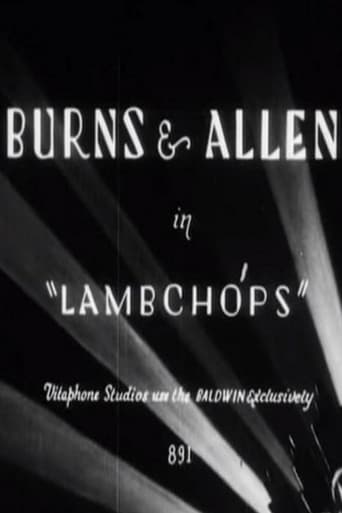
Director during the crucial transition period from silent films to talkies in the late 1920s. His most notable contribution to cinema history was directing 'Lambchops' in 1929, which served as the screen debut for the comedy duo George Burns and Gracie Allen. This short film was significant as it captured their vaudeville comedy routine during the early days of sound cinema, helping to bridge the gap between stage performance and film adaptation. Roth's work during this period demonstrated an understanding of how to translate live comedy to the new medium of sound film, a skill that was crucial as Hollywood adapted to technological changes. While his directorial career appears to have been brief and concentrated in 1929, his contribution to preserving early comedy performances on film has lasting historical value. Roth was part of the generation of filmmakers who helped establish the language of early sound cinema, particularly in the short subject format that was popular during this era.
The Craft
Behind the Camera
Early sound comedy director who focused on capturing vaudeville routines for film audiences
Milestones
- Directed 'Lambchops' (1929) - the film debut of George Burns and Gracie Allen
- Pioneered early sound comedy short subjects
- Contributed to the transition from silent to sound cinema
Best Known For
Must-See Films
Working Relationships
Worked Often With
Studios
Why They Matter
Impact on Culture
Murray Roth's most significant cultural impact came through his direction of 'Lambchops' (1929), which preserved one of the earliest film performances of George Burns and Gracie Allen. This short film served as an important historical document of the transition from vaudeville to cinema, capturing the comedy duo's routine during the critical early days of sound film. The film helped establish Burns and Allen as screen personalities, contributing to their eventual success in radio, television, and later films. Roth's work represents the efforts of early sound directors to adapt stage comedy for the new medium, a process that would influence how comedy was filmed and presented in Hollywood for decades to come.
Lasting Legacy
Murray Roth's legacy, while limited in scope, is preserved through his contribution to early sound comedy cinema. 'Lambchops' remains an important historical artifact that showcases the early work of George Burns and Gracie Allen, one of comedy's most enduring partnerships. The film serves as a valuable example of how vaudeville acts were adapted for the screen during Hollywood's transition to sound. While Roth may not have had an extensive directorial career, his work represents the crucial period when filmmakers were learning to work with sound technology and discovering how to effectively capture comedy performances on film. His contribution to preserving early comedy routines has lasting value for film historians and comedy enthusiasts.
Who They Inspired
As an early sound director, Murray Roth was part of the generation that established techniques for filming comedy with sound, particularly in the short subject format. His work on 'Lambchops' demonstrated how stage comedy could be effectively translated to cinema, influencing how subsequent directors approached comedy filming. The success of the film helped pave the way for other vaudeville and stage performers to transition to film, contributing to the broader trend of stage talent finding success in Hollywood during the early sound era.
Off Screen
Very limited biographical information is available about Murray Roth's personal life, which is not uncommon for directors who worked primarily in short subjects during the early sound era. Historical records from this period, especially for those with brief film careers, are often incomplete.
Did You Know?
- 'Lambchops' (1929) was only 9 minutes long but captured the essence of Burns and Allen's comedy style
- The film was made during the first year of widespread sound film production
- Roth was one of many directors who specialized in short subjects during the early sound era
- The title 'Lambchops' referred to a comedy routine that Burns and Allen had developed for their vaudeville act
- Early sound shorts like 'Lambchops' were often used as test films for new sound technology
- The film was distributed by Paramount Pictures, one of the major studios investing heavily in early sound production
- Roth's direction had to account for the technical limitations of early sound recording equipment
- The success of 'Lambchops' helped establish the template for comedy short subjects in the early 1930s
Frequently Asked Questions
Who was Murray Roth?
on YTB.my. His work focused on short subjects during the crucial transition period from silent films to talkies.
What films is Murray Roth best known for?
Titles linked here include Lambchops (1929).
When was Murray Roth born and when did he die?
Specific birth and death dates for Murray Roth are not readily available in historical records, which is not uncommon for directors who worked primarily in short subjects during the early sound era. His known film activity was concentrated in 1929.
What awards did Murray Roth win?
There are no documented awards or nominations for Murray Roth, which is typical for directors working in short subjects during the early sound period when formal recognition systems were still developing.
What was Murray Roth's directing style?
Murray Roth's directing style focused on adapting vaudeville comedy routines for the new medium of sound film. His work on 'Lambchops' demonstrated an understanding of how to capture stage comedy effectively on camera during the technical limitations of early sound recording.