William Gillette
Actor
Born: July 24, 1853 in Hartford, Connecticut, USA Died: April 29, 1937 Active: 1875-1936 (film work: 1916) Birth Name: William Hooker Gillette
Films
1 film
About William Gillette
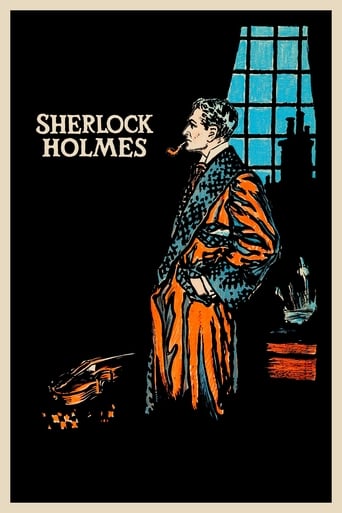
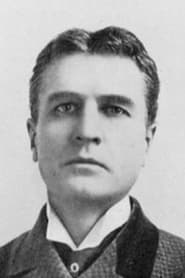
William Hooker Gillette — American actor, playwright, and stage manager who became the definitive interpreter of Sherlock Holmes on stage. Born in 1853 in Hartford, Connecticut, Gillette began his theatrical career in the 1870s and quickly established himself as a leading man of the American stage. His most significant contribution to theater came when he adapted Arthur Conan Doyle's Sherlock Holmes stories for the stage, creating a version of the character that would become worldwide. Gillette portrayed Holmes over 1,300 times between 1899 and 1932, establishing the visual trademarks of the character including the deerstalker cap and curved pipe. The 1916 film 'Sherlock Holmes' represents his only significant film appearance, essentially a recorded version of his successful stage production. Beyond his Holmes work, Gillette wrote numerous plays and was known for his innovative stagecraft and technical inventions for theater production. He retired from performing in 1936 and died the following year at his elaborate Connecticut estate, leaving behind a legacy as one of America's greatest theatrical figures.
The Craft
On Screen
Gillette was known for his commanding stage presence, precise diction, and intellectual yet physically dynamic approach to characterization. His Sherlock Holmes portrayal combined analytical brilliance with subtle physical mannerisms and a distinctive voice pattern that became the template for future interpretations. He emphasized the psychological depth of his characters while maintaining theatrical showmanship, using controlled gestures and timing to maximize dramatic effect.
Milestones
- Created the definitive stage portrayal of Sherlock Holmes (1899-1932)
- Wrote and starred in 'Sherlock Holmes' play in collaboration with Arthur Conan Doyle
- Performed as Holmes over 1,300 times
- Built his own castle-like home 'Gillette Castle' in Connecticut
- Starred in the 1916 film adaptation of 'Sherlock Holmes'
- Pioneered stage lighting and mechanical effects
- Wrote numerous successful plays including 'Secret Service' and 'Clarissa'
Best Known For
Iconic Roles
Must-See Films
Accolades
Special Recognition
- Inducted into the American Theatre Hall of Fame
- Gillette Castle State Park named in his honor
- Connecticut's 'William Gillette Day' celebrated annually
Working Relationships
Worked Often With
Studios
Why They Matter
Impact on Culture
William Gillette's impact on popular culture cannot be overstated, as he essentially created the modern image of Sherlock Holmes that persists to this day. His stage adaptation established the deerstalker cap, Inverness cape, and curved pipe as Holmes' signature accessories, none of which were prominently featured in Conan Doyle's original stories. Gillette's portrayal emphasized Holmes' intellectual superiority while adding elements of theatrical flair and romantic interest that made the character more accessible to theater audiences. His interpretation became so definitive that it influenced virtually all subsequent adaptations, from stage to film to television. The 1916 film, once thought lost and rediscovered in 2014, represents a crucial link between theatrical and cinematic storytelling in the early 20th century.
Lasting Legacy
Gillette's legacy extends far beyond his single film appearance, as he fundamentally shaped how generations would perceive Sherlock Holmes. His Connecticut home, Gillette Castle, now serves as a state park and museum celebrating his life and work. The techniques he developed for stage lighting and mechanical effects influenced theatrical production for decades. His approach to character development, particularly the psychological depth he brought to Holmes, set new standards for dramatic acting. Perhaps most importantly, Gillette demonstrated how a literary character could be successfully adapted across media while maintaining artistic integrity, a lesson that continues to resonate in contemporary entertainment.
Who They Inspired
Gillette's influence on subsequent actors and adaptations of Sherlock Holmes is immeasurable. Basil Rathbone, perhaps the most famous film Holmes, explicitly acknowledged Gillette's influence on his portrayal. Jeremy Brett's celebrated performance in the Granada Television series incorporated elements of Gillette's stage interpretation. Even modern adaptations like Robert Downey Jr.'s films and Benedict Cumberbatch's BBC series contain echoes of Gillette's characterization. His emphasis on Holmes' intellectual brilliance combined with theatrical showmanship created a template that balances the character's cerebral nature with entertainment value. Beyond Sherlock Holmes, Gillette's approach to stagecraft and character development influenced generations of theater professionals.
Off Screen
Gillette never married and remained a lifelong bachelor, maintaining a very private personal life despite his public fame. He was known for his eccentric personality and love of innovation, both in theater and in his personal pursuits. His most notable personal project was the construction of his elaborate 24-room castle-like home in Connecticut, which he designed himself and filled with ingenious mechanical contraptions. Gillette was also an avid railroad enthusiast and maintained a private railroad on his estate.
Education
Attended Yale University (did not graduate), studied at Yale and Harvard, received honorary degrees from several universities
Did You Know?
- The 1916 'Sherlock Holmes' film was considered lost for nearly a century before being rediscovered in 2014
- Gillette built his own 24-room castle in Connecticut with secret passages and mechanical contraptions
- He performed as Sherlock Holmes over 1,300 times during his career
- Gillette invented several stage lighting techniques that are still used today
- Arthur Conan Doyle personally approved Gillette's stage adaptation and changes to the character
- He maintained a private 3-mile railroad on his estate with his own steam locomotive
- Gillette never married and famously stated 'I couldn't afford the expense'
- He was one of the first actors to become a millionaire through his theatrical work
- Gillette Castle cost over $1 million to build in the early 1900s (equivalent to over $30 million today)
- He invented a special type of stage smoke effect that became widely adopted
- Gillette was known to perform his own stunts well into his 60s
- He turned down numerous film offers, preferring the immediacy of live theater
In Their Own Words
When you play the part of a detective, you must be a detective
The stage is not merely the meeting place of all the arts, but is also the return of art to life
I have been Holmes so long that I have begun to think like him
Theater is the art form that comes closest to life itself
An actor must be a student of human nature, for that is his raw material
Frequently Asked Questions
Who was William Gillette?
American with credits in this catalog. He performed as Holmes over 1,300 times and established many of the visual trademarks associated with the character that persist today.
What films is William Gillette best known for?
Titles linked here include Sherlock Holmes (1916).
When was William Gillette born and when did he die?
Born July 24, 1853; died April 29, 1937.
What awards did William Gillette win?
Gillette worked primarily before the modern awards system was established, but he received numerous honors including induction into the American Theatre Hall of Fame and having his Connecticut home preserved as Gillette Castle State Park.
What was William Gillette's acting style?
Gillette was known for his commanding stage presence, precise diction, and intellectual yet physically dynamic approach to characterization. His Sherlock Holmes portrayal combined analytical brilliance with subtle physical mannerisms and distinctive vocal patterns.