Films
1 film
About Edward Crandall
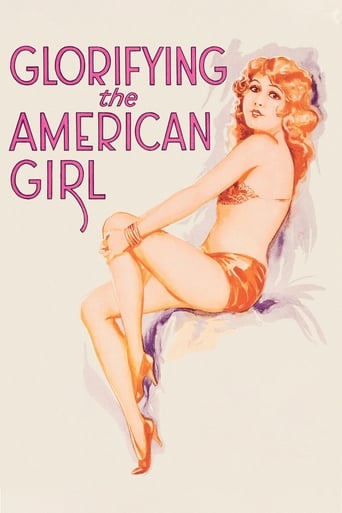
Edward Crandall worked on one surviving credit: Glorifying the American Girl (1929). His only known film credit is the 1929 musical 'Glorifying the American Girl,' which was one of the early sound films produced during Hollywood's revolutionary transition to synchronized sound. Crandall was part of the ensemble cast in this Florenz Ziegfeld-produced musical, which showcased the elaborate theatrical productions that Ziegfeld was famous for on Broadway. Like many actors of this transitional period, his career appears to have been extremely brief, possibly consisting of only this single film appearance. The film itself was significant as one of the early attempts to bring Broadway-style musical extravagance to the silver screen, featuring elaborate production numbers and showcasing the new technology of sound cinema. Unfortunately, detailed information about Crandall's life, career trajectory, or other potential work in entertainment has not been preserved in historical records, which was common for minor players and bit actors from this era.
The Craft
Milestones
- Appeared in 'Glorifying the American Girl' (1929), an early sound musical film
Best Known For
Must-See Films
Working Relationships
Studios
Why They Matter
Impact on Culture
Edward Crandall's cultural impact is minimal due to his extremely brief film career, consisting of only one known appearance in 'Glorifying the American Girl' (1929). However, his participation in this film places him within the important historical context of early sound cinema, representing the many actors who worked during Hollywood's challenging transition from silent films to talkies. The film itself was significant as one of the early attempts to translate Broadway musical extravagance to the new medium of sound film, and Crandall was part of this moment in cinema history, even if his contribution was minor.
Lasting Legacy
Edward Crandall's legacy is primarily that of being a representative figure among the countless actors who had brief or minor roles during the revolutionary transition period from silent films to sound cinema in the late 1920s. His single known film appearance in 'Glorifying the American Girl' serves as a historical marker of this transformative era in Hollywood, when the film industry was rapidly adapting to new technologies and many actors' careers were brief or experimental. While not remembered as a significant contributor to cinema history, he represents the working actors who formed the backbone of early Hollywood productions.
Who They Inspired
As a minor actor with only one known film credit, Edward Crandall does not appear to have had significant influence on other actors or directors. His brief career during the early sound era was typical of many actors who either did not adapt well to the new demands of sound cinema or simply did not achieve the level of success that would lead to a lasting impact on the industry or future generations of performers.
Off Screen
Very limited information is available about Edward Crandall's personal life, which was typical for minor actors from the early sound era who did not achieve lasting fame. Like many bit players and supporting actors from this transitional period in Hollywood history, detailed biographical records were not preserved unless the individual achieved greater prominence in the industry.
Did You Know?
- Edward Crandall's only known film appearance was in 'Glorifying the American Girl' (1929)
- The film was produced by legendary Broadway impresario Florenz Ziegfeld
- 'Glorifying the American Girl' was one of the early sound musical films made during Hollywood's transition to talkies
- The film starred Mary Eaton, who was a Ziegfeld Follies performer
- Like many actors from the early sound era, Crandall's career appears to have been extremely brief
- The film featured elaborate musical numbers typical of Ziegfeld's Broadway productions
- The movie was released by Paramount Pictures during a pivotal year in cinema history
- Many actors with brief careers like Crandall's were part of the large ensemble casts needed for early musical productions
Frequently Asked Questions
Who was Edward Crandall?
American with credits in this catalog. His only known film appearance was in the 1929 musical 'Glorifying the American Girl,' making him one of the many minor actors who worked during this revolutionary period in cinema history.
What films is Edward Crandall best known for?
Titles linked here include Glorifying the American Girl (1929).
When was Edward Crandall born and when did he die?
Unfortunately, specific birth and death dates for Edward Crandall are not available in historical records, which was common for minor actors from the early sound era who did not achieve lasting fame. Only his nationality as American and his brief career in 1929 are documented.
What awards did Edward Crandall win?
Edward Crandall did not receive any known awards or nominations during his brief acting career. As a minor player with only one known film credit, he was not recognized with industry honors, which was typical for supporting actors and bit players of his era.
What was Edward Crandall's acting style?
Due to the limited documentation of his career and the fact that his only known film appearance was as a minor player, specific details about Edward Crandall's acting style are not available. He was part of the ensemble cast during the early transition to sound cinema, a period when many actors were adapting to the new technical demands of talking pictures.