No Poster
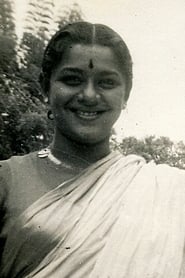
Lalitha
Actor
Born: December 16, 1928 in Thiruvananthapuram, Travancore (now Kerala), India Died: November 21, 1982 Active: 1948-1966 Birth Name: Lalithambika
Films
2 films
About Lalitha
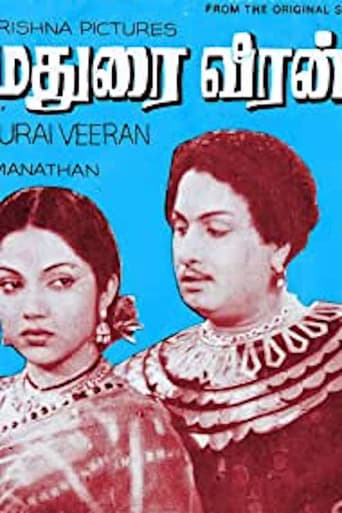
Actress in South Indian cinema and the eldest of the famous Travancore Sisters trio (Lalitha, Padmini, and Ragini). Born into a family of performers in 1928, she began her career in the late 1940s and quickly rose to prominence in Tamil and Malayalam cinema. Her breakthrough came with the critically acclaimed film 'Manthiri Kumari' (1950), which established her as a leading lady capable of portraying complex characters with emotional depth. Throughout her career spanning from 1948 to 1966, she appeared in over 250 films across multiple languages, showcasing remarkable versatility in both dramatic and comic roles. Her performance in 'Madurai Veeran' (1956) alongside M.G. Ramachandran became one of her most celebrated works, cementing her status as a box office draw. Lalitha was known for her expressive eyes and natural acting style that resonated with audiences across South India. After her marriage in 1960, she gradually reduced her film appearances but continued to act selectively until the mid-1960s before retiring from cinema to focus on family life.
The Craft
On Screen
Lalitha was known for her naturalistic acting style that brought emotional authenticity to her roles. She possessed exceptional expressive capabilities, particularly through her eyes and subtle facial expressions, which allowed her to convey complex emotions without melodramatic gestures common in that era. Her approach combined classical dance training with contemporary acting techniques, making her equally adept in dramatic scenes and dance sequences. She was particularly praised for her ability to portray strong-willed female characters who challenged traditional gender norms.
Milestones
- Debut in Tamil cinema with 'Bhaktha Jana' (1948)
- Breakthrough role in 'Manthiri Kumari' (1950)
- Starred in the blockbuster 'Madurai Veeran' (1956)
- Part of the Travancore Sisters trio
- Acted in over 250 films across Tamil, Malayalam, Telugu, and Hindi languages
- Received the Kalaimamani award from the Tamil Nadu government
Best Known For
Iconic Roles
Must-See Films
Accolades
Won
- Kalaimamani Award from Tamil Nadu Government
- Best Actress Award from Madras Film Fans Association
Nominated
- Filmfare Award nominations for Best Actress
Special Recognition
- Honored at various film festivals for contributions to South Indian cinema
- Remembered as part of the Travancore Sisters in Indian cinema history
Working Relationships
Worked Often With
Studios
Why They Matter
Impact on Culture
Lalitha, as part of the Travancore Sisters, revolutionized the perception of women in South Indian cinema by portraying strong, independent female characters at a time when most roles were stereotypical. Her performances helped establish a new standard for acting in regional cinema, moving away from theatrical styles toward more naturalistic portrayals. The success of films like 'Manthiri Kumari' and 'Madurai Veeran' demonstrated the commercial viability of female-led narratives, encouraging producers to invest in women-centric stories. Her cross-industry success across multiple language film industries helped bridge cultural gaps within South India and contributed to the development of a pan-South Indian film identity.
Lasting Legacy
Lalitha's legacy endures through her extensive filmography that continues to be celebrated by classic cinema enthusiasts. As the eldest of the Travancore Sisters, she paved the way for future generations of actresses from South India to achieve national recognition. Her films are studied in film schools as examples of early realistic acting in Indian cinema. The Travancore Sisters remain figures in Indian film history, with Lalitha's contributions being particularly significant in establishing the foundation for professional acting in South Indian cinema. Her influence can be seen in the subsequent generations of actresses who adopted her naturalistic style and approach to character development.
Who They Inspired
Lalitha influenced numerous actresses who followed her by demonstrating that commercial success and artistic integrity could coexist. Her natural acting style inspired a shift away from the theatrical traditions prevalent in early Indian cinema toward more realistic performances. She and her sisters established a precedent for sisters and family members working together in the film industry, a practice that became common in later decades. Her ability to balance commercial cinema with artistic merit set a standard that many actresses aspired to achieve in their careers.
Off Screen
Lalitha married T. K. Sreenivasan, a businessman, in 1960 and subsequently reduced her film commitments. The couple had two children, a son named Rajan and a daughter named Radha. Despite her fame, she maintained a relatively private personal life and was known for her humility and dedication to family. After retiring from films, she focused on raising her children and occasionally appeared in television interviews discussing the golden era of South Indian cinema.
Education
Trained in classical Indian dance forms including Bharatanatyam and Mohiniyattam from childhood as part of the Travancore Sisters' artistic upbringing
Family
- T. K. Sreenivasan (1960-1982)
Did You Know?
- Lalitha was the eldest of the famous Travancore Sisters, which included her sisters Padmini and Ragini
- All three sisters were trained classical dancers before entering films
- She began her career as a child artiste in dance performances
- Her performance in 'Manthiri Kumari' was considered revolutionary for its time due to its feminist undertones
- She was one of the highest-paid actresses of the 1950s in South Indian cinema
- Lalitha and her sisters were among the first South Indian actresses to gain pan-Indian recognition
- She was fluent in multiple languages including Tamil, Malayalam, Telugu, and Hindi
- The Travancore Sisters were the first female acting troupe to gain such widespread success in Indian cinema
- Her dance sequences in films were often choreographed by her sister Padmini, who was a renowned dancer
- Despite her fame, she never gave interviews to the press, maintaining an air of mystery throughout her career
In Their Own Words
Acting is not just performing; it's living the character's truth in every frame.
The camera doesn't lie; it captures the soul of the performance.
We sisters believed that art should transcend boundaries of language and culture.
Frequently Asked Questions
Who was Lalitha?
actress in South Indian cinema and the eldest of the famous Travancore Sisters trio. She was active from 1948 to 1966 and appeared in over 250 films across Tamil, Malayalam, Telugu, and Hindi languages, known for her naturalistic acting style and expressive performances.
What films is Lalitha best known for?
Titles linked here include Manthiri Kumari (1950), Madurai Veeran (1956).
When was Lalitha born and when did she die?
Born December 16, 1928; died November 21, 1982.
What awards did Lalitha win?
Lalitha received the prestigious Kalaimamani Award from the Tamil Nadu government for her contributions to cinema. She also won the Best Actress Award from the Madras Film Fans Association and received several Filmfare Award nominations for Best Actress during her career.
What was Lalitha's acting style?
Lalitha was known for her naturalistic acting style that brought emotional authenticity to her roles. She possessed exceptional expressive capabilities, particularly through her eyes and subtle facial expressions, and combined classical dance training with contemporary acting techniques. She was particularly adept at portraying strong-willed female characters who challenged traditional gender norms.