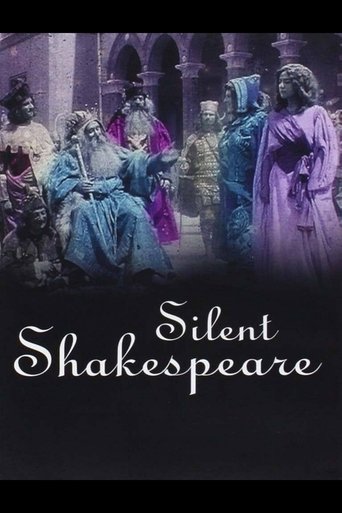

J. Fisher White
Actor
Born: 1865 in London, England Died: 1948 Active: 1890s-1920s Birth Name: John Fisher White
Films
1 film
About J. Fisher White
Made a significant contribution to early cinema history through his appearance in the 1899 film adaptation of Shakespeare's King John. As a performer during the Victorian era, he was part of the theatrical tradition that bridged live performance and the emerging medium of film. His role in King John represented one of the earliest documented instances of Shakespeare being captured on celluloid, making him a pioneer in cinematic adaptations of classical literature. The film itself was essentially a recording of scenes from Herbert Beerbohm Tree's stage production, with White playing a supporting role alongside the renowned actor-manager. This early foray into filmmaking came at a time when cinema was still in its experimental phase, and actors were primarily drawn from the theatrical world. White's participation in this historic production places him among the very first generation of film actors, though his career remained primarily rooted in the legitimate theatre. His legacy endures through this surviving fragment of early British cinema, which serves as a crucial document of both Shakespearean performance history and the birth of narrative filmmaking.
The Craft
On Screen
Victorian theatrical style with dramatic gestures and clear elocution, typical of late 19th-century stage performance adapted for early cinema
Milestones
- Appeared in King John (1899), one of the earliest surviving Shakespeare films
- Stage performer in London's West End theatres
- Participated in the transition from Victorian theatre to early cinema
- Member of Herbert Beerbohm Tree's theatrical company
Best Known For
Iconic Roles
Must-See Films
Accolades
Special Recognition
- Recognized as one of the first actors to appear in a Shakespeare film adaptation
Working Relationships
Worked Often With
Studios
Why They Matter
Impact on Culture
J. Fisher White's contribution to cinema history lies in his participation in one of the earliest surviving Shakespeare films, representing the crucial bridge between Victorian theatre and emerging cinema. His appearance in King John (1899) helps document how early filmmakers adapted theatrical performance techniques for the new medium, preserving a record of Victorian acting styles that might otherwise have been lost. The film itself represents a landmark in cinema history as one of the first narrative films produced in Britain, and White's role, however small, places him among the pioneers who helped establish film as a legitimate artistic medium.
Lasting Legacy
While J. Fisher White may not have achieved the fame of leading actors of his era, his legacy endures through his participation in a historically significant film that represents the birth of British cinema. The surviving fragments of King John (1899) serve as invaluable documentation of both Shakespearean performance traditions and the early techniques of filmmaking. His work exemplifies how stage actors of the Victorian era contributed to the development of cinema, bringing their theatrical expertise to the new medium and helping establish acting traditions that would influence film performance for decades to come.
Who They Inspired
As an early film actor, J. Fisher White was part of the generation that established the foundation for film acting, particularly in adaptations of classical literature. His work in King John demonstrated how theatrical performance could be adapted for the camera, influencing subsequent generations of actors who would appear in Shakespeare films. The techniques and approaches used by White and his contemporaries helped shape the evolution of film acting from theatrical exaggeration to more subtle, camera-appropriate performances.
Off Screen
J. Fisher White lived during the transition from the Victorian to the Edwardian era, witnessing the birth of cinema as an art form. His active years covered a period of enormous change in theatrical and cinematic arts, from the height of Victorian stage productions to the emergence of film as a popular entertainment medium. Details about his personal life remain largely undocumented, as was common for supporting actors of his era.
Education
Likely received theatrical training typical of late Victorian era actors, though specific educational records are not available
Family
- Unknown - records not available for this period
Did You Know?
- King John (1899) is one of the earliest surviving Shakespeare films in existence
- The film was essentially a recording of scenes from Herbert Beerbohm Tree's stage production
- Only four brief fragments of the original film survive today
- White was part of the very first generation of actors to appear in narrative films
- The film was produced by the British Mutoscope and Biograph Company
- Early film actors like White were typically stage performers recruited for these experimental films
- The surviving footage runs for only about two minutes total
- This film represents one of the first times Shakespeare was adapted for the cinema medium
- White's active years covered the transition from purely theatrical entertainment to the age of film
- The film was shot at the Biograph Studio in London
In Their Own Words
No documented quotes from J. Fisher White survive from available historical records
Frequently Asked Questions
Who was J. Fisher White?
Screen credits include the 1899 film King John, making him one of the earliest actors to perform in a Shakespeare film adaptation. He was primarily a theatrical performer during the Victorian era who participated in the early experiments of capturing stage performances on film.
What films is J. Fisher White best known for?
Titles linked here include King John (1899).
When was J. Fisher White born and when did he die?
Born 1865; died 1948.
What awards did J. Fisher White win?
No formal awards or recognitions for J. Fisher White have been documented from available historical records. During the 1890s, when he was active, formal acting awards were not yet established, particularly for film performances.
What was J. Fisher White's acting style?
J. Fisher White's acting style reflected the Victorian theatrical tradition, characterized by dramatic gestures, clear elocution, and pronounced emotional expression typical of stage performance of that era. This style was adapted for early cinema, which was still developing its own performance conventions.
Why is King John (1899) historically significant?
King John (1899) is historically significant as one of the earliest surviving Shakespeare films and a landmark in early British cinema. The film represents the crucial transition from stage to screen and preserves a record of Victorian theatrical performance techniques that would otherwise be lost to history.
What was the British Mutoscope and Biograph Company?
The British Mutoscope and Biograph Company was an early film production company that operated in London during the late 1890s. They were pioneers in early British cinema, producing some of the first narrative films and theatrical recordings, including the historic King John adaptation.