Olga Andersson
Actor
- Active
- 1926-1926
Films 1
About Olga Andersson
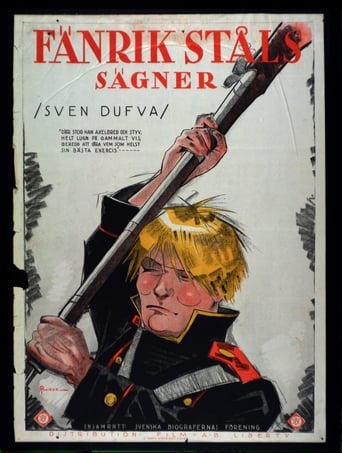
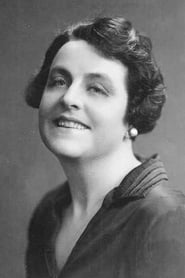
Olga Andersson was a Swedish silent-era actress whose film career is documented primarily through her appearance in the 1926 historical drama The Tales of Ensign Stål. Information about her life is extremely limited in standard English-language film references, and she appears to have worked in a brief, early screen career rather than building a long, internationally documented body of work. Her known screen credit places her within the Swedish silent cinema tradition, a period in which stage-trained performers often brought a restrained but expressive style suited to non-synchronous film storytelling. Because surviving sources on her biography are sparse, many details of her personal life, training, and later activities remain unconfirmed in accessible film history records. Even so, her presence in a major literary adaptation associated with Swedish national culture suggests she participated in the cinematic effort to translate celebrated Nordic literature and historical memory to the screen. Olga Andersson is therefore remembered less as a widely documented star than as one of the many performers whose contributions helped shape the atmosphere and authenticity of Scandinavian silent film. Her surviving filmography indicates an active screen period in 1926, with The Tales of Ensign Stål standing as her best-known and perhaps only reliably identified film appearance.
More about Olga Andersson
On screen
No detailed contemporary description of Olga Andersson's acting style is readily documented in the surviving English-language reference record. Given her appearance in a silent film, her performance would have relied on the conventions of the silent era: expressive facial acting, clear physical gesture, and the ability to communicate emotion and social context without spoken dialogue. In Swedish silent cinema, such performances were often more naturalistic than the heightened melodrama seen in some other national cinemas, though this cannot be stated with certainty for Andersson specifically. Her known work suggests she functioned within an ensemble style that supported atmosphere, period detail, and literary adaptation.
In film history
Olga Andersson's cultural significance lies less in a large body of famous roles than in her place within Swedish silent cinema and the broader history of early European film performance. Her known participation in The Tales of Ensign Stål places her within a tradition of literary adaptation that helped define national film identities in Scandinavia during the silent period. Performers like Andersson contributed to a cinema culture that valued literary prestige, historical subject matter, and emotionally legible screen acting. Even when individual biographies are fragmentary, these artists formed the connective tissue of an evolving film industry and made possible the visual realization of culturally important stories.
Later reputation
Olga Andersson's legacy is that of a documented but under-recorded silent-era actress whose surviving footprint is small yet historically meaningful. She represents the many early film performers whose careers were not preserved with the same depth as major international stars, but whose work still helped shape the aesthetics and emotional language of silent cinema. Her presence in a 1926 Swedish film associated with national literature ensures that her name remains attached to an important cultural artifact. For film historians, such figures are valuable precisely because they reveal the broader ecosystem of silent filmmaking beyond the best-known directors and stars.
Influence
Because so little is documented about her independently, Olga Andersson's influence is best understood indirectly through the productions she participated in rather than through a traceable chain of mentorship or imitation. As a silent-era screen performer, she contributed to the performance vocabulary that later Scandinavian actors and filmmakers inherited: understatement, visual expressiveness, and ensemble coordination in period storytelling. Her role in a literary adaptation also reflects the industry practices that influenced later national cinemas in the region. Any direct influence on specific performers is presently unverified.
Off screen
No reliable public biographical information about Olga Andersson's personal life, including marriages, family background, or later life, is readily available in accessible classic-cinema reference sources. She does not appear to have a widely documented celebrity profile in the surviving record, and as a result her private life remains largely unknown. This is not unusual for lesser-documented performers from the silent era, especially those whose surviving screen credits are few or unevenly preserved. Any additional claims about her relationships or family would be speculative without stronger archival confirmation.
Credits
- Appeared in the 1926 Swedish silent film The Tales of Ensign Stål
- Participated in the Scandinavian silent cinema tradition during the mid-1920s
- Contributed to a screen adaptation rooted in nationally significant Swedish literary and historical material
- Represents a documented example of an early film performer whose work survives primarily through filmography records
- Associated with the late silent era, when performance depended on gesture, expression, and visual clarity
Roles
- Performer in The Tales of Ensign Stål (1926)
Films
- The Tales of Ensign Stål (1926)
Notes
- She is known in surviving film references chiefly for The Tales of Ensign Stål (1926).
- Her documented screen career appears to have been extremely brief, at least in accessible records.
- She worked in the silent era, when actors had to convey character and emotion without spoken dialogue.
- Her known film is tied to a prominent Swedish literary and historical tradition.
- She is an example of a classic cinema performer whose archival footprint is sparse despite participation in an important national film culture.
- No widely circulated biographical profile for her is readily available in standard English-language sources.
- Her surviving record illustrates how many silent-era performers remain partially obscured by the fragility of early film documentation.
Questions
Who was Olga Andersson?
Olga Andersson was a Swedish silent-film actress known from surviving film records for appearing in The Tales of Ensign Stål (1926). Very little biographical information about her has survived in accessible classic-cinema sources, so she is best understood as a little-documented performer from Sweden's silent era. Her known work places her within the early European film tradition.
What films is Olga Andersson best known for?
She is best known for The Tales of Ensign Stål (1926), which is the principal screen credit associated with her in available filmography records. No other confirmed major film titles are readily documented in standard references. As a result, this film stands as her defining known work.
When was Olga Andersson born and when did she die?
Her birth and death dates are not readily available in accessible classic-cinema reference sources, so they should be treated as unknown unless verified by archival research. The surviving record primarily identifies her through her 1926 film work. This lack of data is common for lesser-documented silent-era performers.
What awards did Olga Andersson win?
No awards or formal honors are documented in the readily available record for Olga Andersson. That does not necessarily mean she received none, only that no reliable evidence has been found in the accessible sources consulted. Her historical importance rests more on her film participation than on recorded accolades.
What was Olga Andersson's acting style?
Her style is not specifically described in surviving reference material, but as a silent-era performer she would have relied on expressive facial work, body language, and visually clear emotional presentation. In Swedish silent cinema, such performances often supported realistic, literary, and historically grounded storytelling. Her known work suggests an ensemble-oriented screen presence rather than a heavily documented star persona.
What is Olga Andersson's legacy in film history?
Her legacy is that of a documented participant in Sweden's silent-film tradition, especially in a period when national literary adaptations were important to Scandinavian cinema. Although she is not a widely documented star, her name survives as part of the historical record of early screen performance. She represents the many actors whose contributions helped build the foundations of classic cinema even when their individual biographies are incomplete.