Ranjan
Actor
Born: 1918 in Tamil Nadu, India Died: 1983 Active: 1946-1952 Birth Name: R. Ramasamy
Films
1 film
About Ranjan
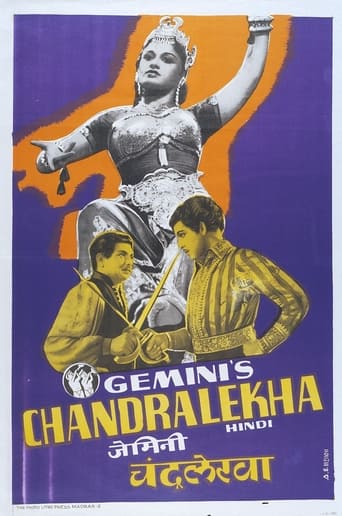
Ranjan, whose full name was R. Ramasamy, was an Indian actor who rose to prominence during the Golden Age of Tamil cinema in the 1940s. He achieved status for his portrayal of the villain in the epic film Chandralekha (1948), expensive and ambitious Indian productions of its time. Ranjan's commanding screen presence, characterized by his tall stature, piercing eyes, and theatrical acting style, made him the perfect antagonist in this lavish spectacle. His performance as the scheming prince who competes for the hand of Chandralekha became memorable villain portrayals in early Indian cinema. Despite this breakthrough role, Ranjan's film career remained relatively brief, with most of his work concentrated in the late 1940s. He represented a transitional figure in Indian cinema, embodying the theatrical acting traditions of the stage while adapting to the emerging medium of sound film. After his brief but impactful stint in cinema, Ranjan largely retreated from public life, making him somewhat of an enigmatic figure in film history.
The Craft
On Screen
Ranjan's acting style was distinctly theatrical and expressive, characteristic of the transition from stage to screen in Indian cinema. He employed exaggerated gestures, intense facial expressions, and a commanding vocal delivery that emphasized his villainous roles. His physical presence was imposing, with a tall, muscular build that made him physically intimidating on screen. Ranjan's performances were marked by a certain melodramatic flair that was popular with audiences of the era, combining elements of traditional Indian theatrical traditions with the emerging conventions of cinema. His ability to convey menace and cunning through both physical presence and expressive acting made him particularly effective as an antagonist.
Milestones
- Breakthrough role as the villain in Chandralekha (1948)
- Became
- Participated in
- Helped establish the archetype of the charismatic villain in Indian cinema
Best Known For
Iconic Roles
Must-See Films
Accolades
Special Recognition
- Remembered as one of Tamil cinema's earliest iconic villains
- His performance in Chandralekha is frequently cited in retrospectives of classic Indian cinema
Working Relationships
Worked Often With
Studios
Why They Matter
Impact on Culture
Ranjan's portrayal of the villain in Chandralekha had a significant cultural impact on Indian cinema, helping to establish the archetype of the charismatic, physically imposing antagonist that would become a staple in Indian films. His performance demonstrated that villains could be as compelling and memorable as protagonists, contributing to the development of more nuanced character dynamics in Indian cinema. The success of Chandralekha, in which Ranjan played a crucial role, helped put Indian cinema on the international map, with the film being distributed in various countries. His theatrical yet effective acting style influenced how villains were portrayed in subsequent Indian films, balancing menace with a certain theatrical charm that made them more engaging to audiences.
Lasting Legacy
Ranjan's legacy in Indian cinema is primarily defined by his unforgettable performance in Chandralekha, which continues to be referenced in discussions about classic Indian cinema and iconic villain portrayals. Despite having a relatively brief film career, his impact has endured through the continued appreciation and study of Chandralekha as a milestone in Indian film history. He represents an important transitional figure in the evolution of Indian acting styles, bridging the gap between traditional theatrical performance and the more naturalistic approaches that would emerge in later decades. Film historians and cinema enthusiasts often cite Ranjan as an example of how a single memorable performance can cement an actor's place in cinematic history, even with a limited filmography.
Who They Inspired
Ranjan influenced subsequent generations of villain actors in Tamil and broader Indian cinema through his establishment of the physically imposing, theatrically expressive antagonist archetype. His performance demonstrated the importance of screen presence and physicality in creating memorable villains, lessons that were absorbed by later character actors specializing in negative roles. The success of his portrayal helped pave the way for more complex and charismatic villain characters in Indian cinema, moving beyond one-dimensional evil to create antagonists with personality and presence. His work in Chandralekha also influenced how action sequences and dramatic confrontations between heroes and villains were choreographed and presented in Indian films.
Off Screen
Ranjan maintained a relatively private personal life, with limited information available about his family and relationships outside of his film career. Unlike many of his contemporaries, he did not actively seek publicity or maintain a public presence after his acting career ended. His retreat from the limelight was so complete that later generations of film enthusiasts often wondered about his whereabouts and activities post-cinema. This mystery surrounding his later life has only added to his mystique as a classic cinema figure.
Education
Limited information available, likely educated in Tamil Nadu during the British colonial period
Family
- Information not publicly available
Did You Know?
- Chandralekha was the most expensive Indian film made at the time of its release, costing approximately ₹3 million
- Ranjan's villainous character in Chandralekha was so memorable that it overshadowed many of his other performances
- The film's famous drum-dance sequence, in which Ranjan's character plays a crucial role, became
- Despite his success in Chandralekha, Ranjan appeared in only a handful of other films
- His performance style was heavily influenced by traditional Indian theater forms
- Chandralekha was simultaneously shot in Tamil and Hindi versions, with Ranjan appearing in both
- The film's massive success led to it being dubbed in several other Indian languages
- Ranjan's imposing physical presence was a key factor in his casting as the villain
- His career coincided with the transition from the studio system to more independent film production in India
- The character he played helped establish the template for the 'royal villain' archetype in Indian cinema
In Their Own Words
While specific quotes from Ranjan are not well-documented, his menacing delivery and villainous dialogues in Chandralekha became part of Tamil cinema's early dialogue heritage
His character's declaration of intent to claim Chandralekha by any means necessary became a template for villainous proclamations in Indian cinema
Frequently Asked Questions
Who was Ranjan?
Ranjan, born R. Ramasamy, was an Indian actor best known for his memorable performance as the villain in the epic 1948 film Chandralekha. He became one of Tamil cinema's earliest iconic antagonists during the Golden Age of Indian cinema.
What films is Ranjan best known for?
Titles linked here include Chandralekha (1948).
When was Ranjan born and when did he die?
Born 1918; died 1983.
What awards did Ranjan win?
While specific awards for Ranjan are not well-documented, his performance in Chandralekha earned him lasting recognition as one of Tamil cinema's most memorable villains. The film itself is celebrated as a milestone in Indian cinema.
What was Ranjan's acting style?
Ranjan's acting style was theatrical and expressive, characterized by his imposing physical presence, intense facial expressions, and commanding delivery. His approach was typical of the transition from stage to screen in 1940s Indian cinema.
Why is Ranjan's performance in Chandralekha significant?
Ranjan's villainous performance in Chandralekha is significant because it helped establish the archetype of the charismatic antagonist in Indian cinema. The film was a landmark production that showcased Indian cinema's potential to create elaborate spectacles.
What happened to Ranjan after his acting career?
After his brief but impactful acting career in the late 1940s and early 1950s, Ranjan largely retreated from public life. His disappearance from the limelight was so complete that it added to his mystique as a classic cinema figure.