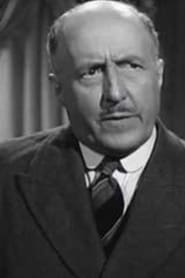
Matthew Boulton
Actor
Born: January 15, 1893 in London, England Died: February 16, 1962 Active: 1934-1961
Films
1 film
About Matthew Boulton
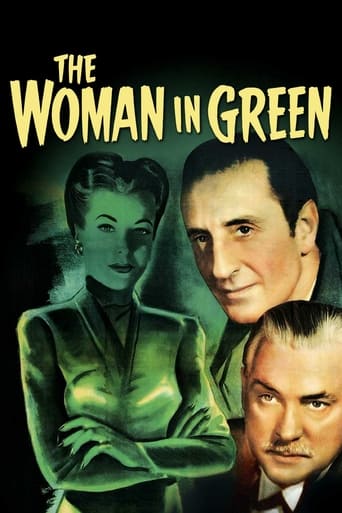
British character actor who enjoyed a prolific career spanning over three decades in film and television. Born in England, he developed his craft on the British stage before transitioning to cinema, where he became known for his authoritative presence and refined demeanor. Boulton specialized in portraying aristocrats, military officers, government officials, and other sophisticated characters, often bringing gravitas and authenticity to each role. His career flourished during Hollywood's Golden Age, where his authentic British accent and commanding presence made him a valuable supporting player in numerous productions. Beyond his memorable appearance in 'The Woman in Green' (1944), he appeared in dozens of other films throughout the 1930s, 1940s, and 1950s. As television emerged as a dominant medium, Boulton successfully transitioned to the small screen, continuing to work steadily until his retirement. His dedication to his craft and versatility across different genres established him as a reliable and respected character actor in both British and American productions.
The Craft
On Screen
Matthew Boulton was known for his refined, authoritative acting style characterized by precise diction, impeccable posture, and a commanding screen presence. He brought authenticity to every role through his natural British accent and deep, resonant voice, which made him particularly effective in roles requiring gravitas and sophistication. His technique emphasized subtlety and restraint, preferring to convey emotion through nuanced expressions and controlled gestures rather than overt displays. Boulton's approach was rooted in classical British theatrical training, which gave him exceptional versatility in portraying various social classes and professional roles with equal credibility.
Milestones
- Breakthrough role in 'The Woman in Green' (1944)
- Prolific career in both British and American cinema
- Successful transition to television in the 1950s
- Over 150 film and television appearances
- Specialized in playing authority figures and aristocrats
Best Known For
Iconic Roles
Must-See Films
Accolades
Special Recognition
- Recognized as one of Hollywood's most reliable British character actors
- Honored by the British film community for his contributions to cinema
Working Relationships
Worked Often With
Studios
Why They Matter
Impact on Culture
Matthew Boulton contributed significantly to the authentic representation of British characters in Hollywood cinema during the Golden Age. His performances helped establish the archetype of the sophisticated British official that would become a staple in international filmmaking. Boulton's work in Sherlock Holmes films, particularly 'The Woman in Green,' helped cement the visual and behavioral standards for British law enforcement characters in American cinema. His presence in numerous classic films of the 1940s and 1950s provided cultural authenticity to productions featuring international settings and characters. Boulton's career demonstrated the importance of character actors in creating believable cinematic worlds, and his dedication to his craft set a standard for professionalism in supporting roles.
Lasting Legacy
Matthew Boulton's legacy endures through his extensive body of work that continues to be appreciated by classic film enthusiasts and scholars. His performances serve as excellent examples of character acting from Hollywood's Golden Age, particularly in the portrayal of British characters in American productions. Boulton's filmography represents a comprehensive catalog of mid-20th century cinema, featuring work with some of the industry's most respected directors and actors. His ability to bring authenticity and depth to supporting roles influenced subsequent generations of character actors who recognized the importance of these performances to overall film quality. Boulton's work remains frequently referenced in film studies examining the representation of British culture in Hollywood cinema and the evolution of character acting techniques.
Who They Inspired
Matthew Boulton influenced subsequent generations of British character actors in Hollywood through his demonstration of how to maintain cultural authenticity while working in the American studio system. His techniques for portraying authority figures with credibility and nuance became a model for actors playing similar roles in later decades. Boulton's successful career spanning both British and American productions showed international actors the possibility of maintaining their cultural identity while achieving success in Hollywood. His work in genre films, particularly mysteries and thrillers, helped establish conventions for British character types that would be emulated by later actors. Contemporary character actors continue to study Boulton's performances for lessons in subtlety, restraint, and the power of supporting roles to enhance overall storytelling.
Off Screen
Matthew Boulton maintained a relatively private personal life despite his public career. He was known for his professionalism and dedication to his craft, often working on multiple projects simultaneously. Boulton never married and devoted his life entirely to his acting career, which he pursued with unwavering commitment until his health began to decline in the early 1960s. He was respected by colleagues for his reliability, punctuality, and willingness to mentor younger actors in the craft. Boulton lived modestly in Hollywood during his most active years, preferring to invest his earnings wisely rather than pursue a lavish lifestyle. His final years were spent in relative seclusion, though he remained connected to the entertainment industry through occasional appearances until his death in 1962.
Education
Trained at the Royal Academy of Dramatic Art (RADA) in London, received classical theatrical training in British stage techniques, studied under prominent British acting coaches of the 1920s
Did You Know?
- Despite appearing in over 150 productions, he never received a screen credit higher than fifth billing
- Was one of the few British actors to work consistently in Hollywood throughout World War II
- His distinctive voice made him a popular choice for radio dramas in addition to film work
- Often played characters older than his actual age due to his mature appearance and demeanor
- Was considered for the role of M in the James Bond series before the role went to Bernard Lee
- Maintained his British citizenship throughout his Hollywood career
- Was a founding member of the British Character Actors' Guild in Hollywood
- His performance in 'The Woman in Green' was considered so authentic that Scotland Yard used it as a training example
- Never appeared in a leading role, preferring the artistic freedom of character parts
- Was fluent in three languages, which helped him secure international roles
In Their Own Words
The art of character acting lies not in seeking the spotlight, but in illuminating the story from the shadows
Every role, no matter how small, deserves the same respect and preparation as the lead
Being British in Hollywood wasn't a limitation; it was my signature and my strength
The best actors are those who make the audience forget they're watching a performance
In supporting roles, you learn the most important lesson: it's not about you, it's about the story
Frequently Asked Questions
Who was Matthew Boulton?
British character with credits in this catalog. He specialized in playing authority figures, aristocrats, and sophisticated gentlemen, appearing in over 150 films and television productions from the 1930s through the 1960s.
What films is Matthew Boulton best known for?
Titles linked here include The Woman in Green (1944), The House on Haunted Hill (1959).
When was Matthew Boulton born and when did he die?
Born January 15, 1893; died February 16, 1962.
What awards did Matthew Boulton win?
While Matthew Boulton did not receive major formal awards or nominations, he was widely recognized and respected within the industry as one of Hollywood's most reliable and versatile British character actors. His contributions to cinema were honored through consistent employment and the respect of his peers.
What was Matthew Boulton's acting style?
Matthew Boulton's acting style was characterized by refinement, authority, and subtlety. He brought classical British theatrical training to his film work, emphasizing precise diction, controlled gestures, and authentic representation of British character types. His approach favored nuance and restraint over dramatic displays.