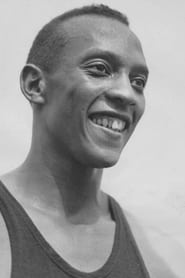
Jesse Owens
Actor
Born: September 12, 1913 in Oakville, Alabama, USA Died: March 31, 1980 Active: 1944-1944 (film appearances) Birth Name: James Cleveland Owens
Films
1 film
About Jesse Owens
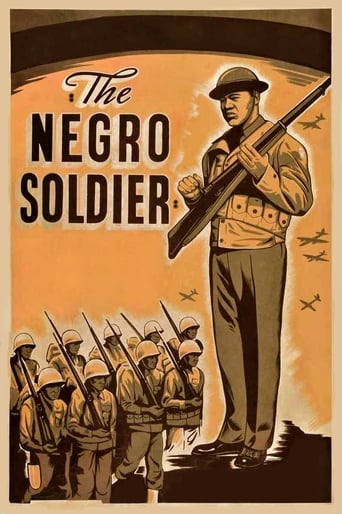
Jesse Owens, born James Cleveland Owens, was primarily renowned as one of the greatest track and field athletes in history, though he made occasional forays into cinema during the 1940s. After his performance at the 1936 Berlin Olympics where he won four gold medals and defied Adolf Hitler's notion of Aryan racial superiority, Owens became an international celebrity and sought-after public figure. His athletic achievements opened doors for him in entertainment, leading to appearances in several films including the 1944 wartime documentary 'The Negro Soldier,' where he represented African American excellence and patriotism. Beyond his brief film career, Owens worked as a sports promoter, made public speaking engagements, and served as a goodwill ambassador for the United States. He faced significant financial challenges after his Olympic triumph, including struggles with the IRS and periods working as a gas station attendant, yet maintained his dignity and continued to inspire generations. Owens' appearance in 'The Negro Soldier' was part of his broader commitment to supporting the war effort and advancing civil rights through positive representation. His legacy bridges both athletic and cultural history, making him an important figure in 20th-century American history.
The Craft
On Screen
Natural and authentic screen presence, primarily appearing as himself in documentary-style productions that showcased his athletic abilities and personal charisma
Milestones
- Four gold medals at 1936 Berlin Olympics
- Appeared in 'The Negro Soldier' (1944)
- Set multiple world records in track and field
- Presidential Medal of Freedom (awarded posthumously in 1976)
- Congressional Gold Medal (awarded posthumously in 1990)
Best Known For
Iconic Roles
Must-See Films
Accolades
Won
- Presidential Medal of Freedom (1976, posthumous)
- Congressional Gold Medal (1990, posthumous)
- Olympic Order (1975)
- AAU Sullivan Award (1936)
Nominated
- Considered for various sports and humanitarian awards throughout his lifetime
Special Recognition
- Inducted into USA Track & Field Hall of Fame (1974)
- Inducted into U.S. Olympic Hall of Fame (1983)
- Jesse Owens Award established in his honor
- Multiple schools, parks, and facilities named after him
- U.S. Postal Service commemorative stamp (1990)
Working Relationships
Worked Often With
Studios
Why They Matter
Impact on Culture
Jesse Owens' appearance in 'The Negro Soldier' represented a significant moment in cinema history, as it featured one of America's most prominent African American figures in a major wartime production. His participation helped legitimize the film's message about African American patriotism and contribution to the war effort. The film itself was groundbreaking as one of the first major Hollywood productions to present African Americans in a positive, heroic light, challenging the stereotypical portrayals common in earlier cinema. Owens' presence in the film bridged his athletic fame with the broader civil rights movement, using his celebrity status to advance racial equality through the powerful medium of film. His involvement demonstrated how sports figures could influence cultural attitudes and social progress through entertainment media.
Lasting Legacy
Jesse Owens' legacy in cinema, though limited to a few appearances, represents an important chapter in the representation of African Americans in film. His participation in 'The Negro Soldier' helped pave the way for more authentic and positive portrayals of African Americans in mainstream cinema. Beyond his film work, Owens' life story has been the subject of numerous documentaries and feature films, including 'Race' (2016) and various television productions. His influence extends to how athletes and celebrities can use their platform for social change, a model that continues to inspire contemporary figures in sports and entertainment. The intersection of his athletic achievement and his brief film career created a template for how sports figures could transition into cultural ambassadors and advocates for equality.
Who They Inspired
Owens influenced subsequent generations of African American athletes and entertainers by demonstrating how athletic excellence could translate into broader cultural impact. His dignified presence in 'The Negro Soldier' set a standard for how African Americans could be portrayed in film - with respect, dignity, and as fully American. His approach to using celebrity for social progress influenced later figures like Muhammad Ali, Arthur Ashe, and LeBron James. The film's success helped open doors for more African American participation in wartime propaganda and mainstream cinema, contributing to the gradual breakdown of racial barriers in Hollywood. Owens' example showed that authentic representation in media could be a powerful tool for advancing civil rights and changing public perceptions.
Off Screen
Jesse Owens married his longtime sweetheart Ruth Solomon in 1935, and they remained together until his death in 1980. The couple had three daughters: Gloria, Marlene, and Beverly. Owens was known for his devotion to family and his commitment to civil rights, though he faced criticism from some civil rights leaders for his approach to racial issues. He struggled financially for many years after his Olympic triumph, partly due to the amateur athletic rules of his era that prevented him from capitalizing on his fame immediately after the games. Despite these challenges, Owens maintained his dignity and continued to work as a motivational speaker and sports promoter throughout his later years.
Education
East Technical High School, Cleveland, Ohio; Ohio State University (attended but did not graduate due to financial constraints)
Family
- Ruth Solomon (1935-1980)
Did You Know?
- Originally named James Cleveland Owens, but a teacher misheard 'J.C.' as 'Jesse' and the name stuck
- Set three world records and tied a fourth in a single day at the 1935 Big Ten Championships
- Hitler refused to congratulate Owens after his Olympic victories, but Owens claimed Hitler waved at him
- After the Olympics, Owens raced against horses in exhibition matches to earn money
- The Jesse Owens Award is given annually to the top track and field athlete in the U.S.
- He was the first African American sponsored by Adidas, though the company was still called Gebrüder Dassler Schuhfabrik at the time
- Owens smoked a pack of cigarettes a day for much of his adult life, dying from lung cancer at age 66
- He was initially banned from amateur athletics for accepting money to race against horses, but was later reinstated
- The 1936 Olympic stadium in Berlin was renamed the Jesse Owens Olympic Stadium in his honor
- He received the Presidential Medal of Freedom from President Gerald Ford in 1976, just four years before his death
In Their Own Words
A lifetime of training for just ten seconds.
We all have dreams. But in order to make dreams come into reality, it takes an awful lot of determination, dedication, self-discipline, and effort.
The battles that count aren't the ones for gold medals. The struggles within yourself—the invisible, inevitable battles inside all of us—that's where it's at.
Find the good. It's all around you. Find it, showcase it, and you'll start believing in it.
I always loved running. It was something you could do by yourself, and under your own power.
Frequently Asked Questions
Who was Jesse Owens?
Legendary American track and field athlete who won four gold medals at the 1936 Berlin Olympics and made occasional appearances in films, including 'The Negro Soldier' (1944). He became an international symbol of athletic excellence and racial equality, using his fame to advocate for civil rights throughout his life.
What films is Jesse Owens best known for?
Titles linked here include The Negro Soldier (1944).
When was Jesse Owens born and when did he die?
Born September 12, 1913; died March 31, 1980.
What awards did Jesse Owens win?
Jesse Owens received numerous honors including four Olympic gold medals (1936), the Presidential Medal of Freedom (1976, posthumous), the Congressional Gold Medal (1990, posthumous), the AAU Sullivan Award (1936), and induction into both the USA Track & Field Hall of Fame and U.S. Olympic Hall of Fame.
What was Jesse Owens' acting style?
Jesse Owens' acting style was natural and authentic, as he primarily appeared as himself in documentary-style productions. His screen presence reflected his genuine charisma and the same dignity that characterized his athletic career, making him an effective symbol of African American excellence in wartime propaganda films.