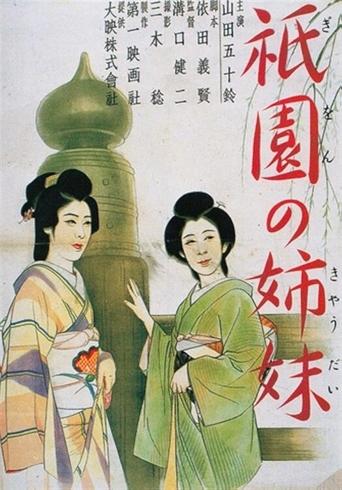
Films
1 film
About Fumio Okura
Fumio Okura is credited on a single production — Sisters of the Gion (1936). His known filmography consists of a single appearance in Kenji Mizoguchi's acclaimed 1936 film 'Sisters of the Gion,' a masterpiece that explored the harsh realities faced by geishas in Kyoto's Gion district. Okura's brief appearance in this film coincided with a significant period in Japanese cinema when directors like Mizoguchi were creating socially conscious works that examined the struggles of women in traditional Japanese society. Despite the limited scope of his known film work, his participation in such an influential film places him within the context of Japan's cinematic heritage. The fact that he appeared in a Mizoguchi film suggests he was part of the professional acting community during this pivotal era of Japanese film history. Unfortunately, detailed records of many supporting actors from this period are scarce, making it difficult to trace the full extent of Okura's career or personal life.
The Craft
Milestones
- Appeared in Kenji Mizoguchi's 'Sisters of the Gion' (1936)
Best Known For
Must-See Films
Working Relationships
Worked Often With
Studios
Why They Matter
Impact on Culture
Fumio Okura's contribution to cinema, though limited in scope, is part of the broader tapestry of Japan's golden age of film. His appearance in 'Sisters of the Gion' places him within the context of a film that has been recognized as a masterpiece of Japanese cinema and an important work in the career of director Kenji Mizoguchi. The film itself was groundbreaking in its realistic portrayal of geisha life and its critique of the patriarchal society of 1930s Japan. While Okura's individual role may have been small, he participated in creating a work that has influenced generations of filmmakers and continues to be studied in film schools worldwide.
Lasting Legacy
Fumio Okura's legacy is primarily preserved through his participation in 'Sisters of the Gion,' a film that has been restored and preserved by international film archives including the Criterion Collection. The film remains. While Okura himself may not be widely remembered individually, his contribution to this cinematic masterpiece ensures his place in film history.
Who They Inspired
Given the limited scope of Fumio Okura's known filmography, there is insufficient documentation to determine his direct influence on other actors or filmmakers. However, his participation in a Mizoguchi film places him within the sphere of influence of one of Japan's most important directors, whose work has inspired countless filmmakers internationally.
Off Screen
Very little is documented about Fumio Okura's personal life, which is not uncommon for supporting actors from 1930s Japanese cinema. Many actors from this era, particularly those with brief filmographies, have limited biographical records available in both Japanese and international film archives.
Did You Know?
- Appeared in only one known film during his career
- Worked with legendary director Kenji Mizoguchi during one of his most creative periods
- Participated in 'Sisters of the Gion,' which is now considered one of the greatest Japanese films ever made
- The film was released during a politically turbulent period in Japan, just before the outbreak of the Second Sino-Japanese War
- Many supporting actors from 1930s Japanese cinema have incomplete records due to the destruction of archives during World War II
Frequently Asked Questions
Who was Fumio Okura?
Japanese with credits in this catalog. His filmography appears to be limited to this single role, making him a minor figure in the history of Japanese cinema.
What films is Fumio Okura best known for?
Titles linked here include Sisters of the Gion (1936).
When was Fumio Okura born and when did he die?
Unfortunately, specific birth and death dates for Fumio Okura are not available in existing film archives and databases. This is common for many supporting actors from 1930s Japanese cinema whose records may have been lost or were never comprehensively documented.
What awards did Fumio Okura win?
There are no records of Fumio Okura receiving any major awards or nominations. Given his brief filmography consisting of a single known film appearance, he would not have been eligible for most industry recognition during his time.
What was Fumio Okura's acting style?
Due to the limited documentation of his work and the fact that only one of his films is widely accessible, it is difficult to assess Fumio Okura's specific acting style. He would have worked within the conventions of 1930s Japanese cinema, which was transitioning from silent films to talkies.
Why is there so little information about Fumio Okura?
The scarcity of information about Fumio Okura is typical for many supporting actors from 1930s Japanese cinema. Records were often incomplete, many film archives were destroyed during World War II, and documentation focused primarily on directors and lead actors rather than supporting cast members.