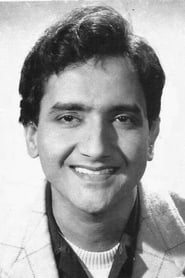
Bharat Bhushan
Actor
Born: June 14, 1920 in Meerut, Uttar Pradesh, India Died: January 27, 1992 Active: 1941-1985
Films
1 film
About Bharat Bhushan
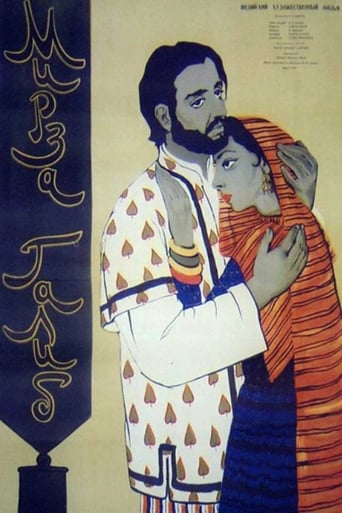
Indian actor who became synonymous with portraying poets, philosophers, and literary figures on screen. Born in Meerut in 1920, he began his film career in the early 1940s and quickly established himself as a leading man with a unique ability to bring literary characters to life. His breakthrough came with the 1954 film 'Mirza Ghalib,' where his portrayal of the Urdu poet was so authentic and moving that it became his defining role. Throughout his career spanning four decades, he appeared in over 150 films, including notable works like 'Baiju Bawra,' 'Shirin Farhad,' and 'Barsaat Ki Raat.' Despite his success in bringing cultural and literary heritage to Indian cinema, he faced financial difficulties in his later years but continued working in films and television until his death in 1992. His contribution to Indian cinema lies in his ability to make poetry and philosophy accessible to mass audiences through his performances.
The Craft
On Screen
Known for his refined, dignified, and intellectual approach to acting, Bharat Bhushan brought a unique literary sensibility to his performances. His acting style was characterized by eloquent dialogue delivery, subtle facial expressions, and an ability to convey deep emotions through restrained gestures. He particularly excelled in roles requiring recitation of poetry and philosophical discourse, bringing authenticity and gravitas to literary characters. His screen presence was marked by a calm, contemplative demeanor that perfectly suited the poet-scholar roles he frequently portrayed.
Milestones
- Breakthrough role in 'Mirza Ghalib' (1954) which became his signature performance
- Received critical acclaim for 'Baiju Bawra' (1952)
- Established as the go-to actor for poet and philosopher roles in Hindi cinema
- Appeared in over 150 films across four decades
- Transitioned successfully to character roles in later career
Best Known For
Iconic Roles
Must-See Films
Accolades
Won
- Filmfare Award for Best Actor for 'Mirza Ghalib' (1955)
- Bengal Film Journalists' Association Awards for 'Mirza Ghalib'
Nominated
- Multiple Filmfare nominations for Best Actor throughout the 1950s and 1960s
Special Recognition
- Recognized as one of the finest actors for literary roles in Indian cinema
- Posthumously honored in film retrospectives celebrating classic Hindi cinema
Working Relationships
Worked Often With
Studios
Why They Matter
Impact on Culture
Bharat Bhushan played a crucial role in bringing India's rich literary heritage to the masses through cinema. His portrayal of Mirza Ghalib introduced generations of filmgoers to Urdu poetry and literary tradition, making classical poetry accessible and popular. He helped establish a genre of literary biopics in Indian cinema, paving the way for future films about poets, writers, and historical figures. His performances contributed to the cultural renaissance of the 1950s in India, where cinema became a medium for preserving and promoting literary traditions. His work helped bridge the gap between high literature and popular entertainment, contributing to the cultural education of Indian audiences.
Lasting Legacy
Bharat Bhushan's legacy lies in his unique contribution to Indian cinema as the definitive actor for literary and poetic roles. His portrayal of Mirza Ghalib remains the benchmark for biographical performances of literary figures in Indian cinema. He demonstrated that intellectual and artistic content could find mass appeal when presented with authenticity and sensitivity. His career shows the importance of cultural preservation through popular media. Even decades after his death, his performances are studied by actors and film scholars for their technical excellence and cultural significance. He remains an iconic figure representing the golden era of Hindi cinema when art and entertainment seamlessly merged.
Who They Inspired
Bharat Bhushan influenced generations of actors by demonstrating the commercial viability of literary and intellectual content in popular cinema. His success in poet roles inspired future actors to take on similar challenging characters. His method of preparing for literary roles, including studying the works and lives of the figures he portrayed, became a reference point for actors undertaking biographical roles. His ability to maintain dignity and artistic integrity while working in commercial cinema influenced the approach of character actors who followed. His work continues to be referenced in discussions about adapting literary works for the screen in Indian cinema.
Off Screen
Bharat Bhushan led a relatively private life despite his fame. He married twice, first to Radhika and later to Rama. He had two children, Anuradha and Aparijita. Despite his successful career, he faced significant financial difficulties in his later years, reportedly due to poor financial decisions and the changing nature of the film industry. His struggles in later life were in stark contrast to his earlier success and status as a respected actor. He continued to work in smaller roles and television appearances to support himself until his death from a heart attack in 1992.
Education
Educated at Aligarh Muslim University, where he developed his love for literature and poetry that would later influence his acting career
Family
- Radhika Bhushan (1940s-1950s)
- Rama Bhushan (1960s-1992)
Did You Know?
- He was a trained classical singer and often sang in his early films
- His portrayal of Mirza Ghalib was so authentic that many believed he was actually a poet in real life
- He learned Urdu poetry and calligraphy to prepare for his role as Mirza Ghalib
- Despite playing sophisticated literary characters, he came from a modest background
- He was one of the few actors who successfully transitioned from leading man to respected character actor
- His performance in 'Mirza Ghalib' was instrumental in popularizing Urdu ghazals among Indian youth
- He faced financial difficulties despite his success and had to sell his awards to support his family
- He was offered the role of Emperor Akbar in 'Mughal-e-Azam' but declined due to scheduling conflicts
- He was fluent in multiple languages including Hindi, Urdu, and English
- His last film appearance was in 1985, though he continued television work until his death
In Their Own Words
Acting is not just performing; it's becoming the character you portray, especially when it's someone as great as Mirza Ghalib.
Poetry and cinema are two different art forms, but when they come together, they create magic.
I don't act poets; I try to understand their souls and let them speak through me.
Success in films is temporary, but the art you create lives forever.
Frequently Asked Questions
Who was Bharat Bhushan?
Renowned Indian with credits in this catalog. He was most famous for his role as Mirza Ghalib in the 1954 film of the same name, which became his signature performance and established him as the definitive actor for literary roles in Indian cinema.
What films is Bharat Bhushan best known for?
Titles linked here include Mirza Ghalib (1954), Baiju Bawra (1952).
When was Bharat Bhushan born and when did he die?
Born June 14, 1920; died January 27, 1992.
What awards did Bharat Bhushan win?
Bharat Bhushan won the Filmfare Award for Best Actor for his performance in 'Mirza Ghalib' (1955). He also received several Bengal Film Journalists' Association Awards and was nominated for multiple Filmfare Awards throughout his career. His portrayal of Mirza Ghalib is still considered one of the finest performances in Indian cinema history.
What was Bharat Bhushan's acting style?
Bharat Bhushan was known for his refined, dignified, and intellectual acting style. He brought authenticity to literary roles through eloquent dialogue delivery, subtle expressions, and a deep understanding of the characters he portrayed. His approach was characterized by restraint and gravitas, making him particularly effective in poet and philosopher roles.
How did Bharat Bhushan impact Indian cinema?
Bharat Bhushan significantly impacted Indian cinema by popularizing literary biopics and bringing classical poetry to mainstream audiences. He established a new genre of films centered on literary figures and demonstrated that intellectual content could achieve commercial success. His work helped preserve and promote India's literary heritage through the medium of cinema.
Did Bharat Bhushan face any difficulties in his career?
Despite his early success, Bharat Bhushan faced significant financial difficulties in his later years. The changing nature of the film industry and poor financial decisions led to his having to sell his awards and memorabilia. He continued working in smaller roles and television to support himself until his death in 1992.